Understanding the Role of Overnight Doggy Day Care
Selecting appropriate care for a canine companion during extended absences requires careful consideration of the animal’s psychological and physical well-being. According to the American Veterinary Medical Association (AVMA), socialization and consistent routines are vital components of maintaining a dog’s overall health, which makes the transition to overnight boarding a significant event that warrants thorough preparation. Doggy day care overnight services function as a hybrid between traditional boarding facilities and active daytime play groups. Unlike standard kennels that may focus primarily on containment, these programs aim to provide a continuous environment where social interaction and supervision extend throughout the night. For many owners, the appeal lies in the potential for reduced confinement and the continuation of the daytime play schedule, yet understanding the specific operational standards of a facility is essential to ensure a positive experience for the animal.
💡 Pet Care Key Takeaways:
- Core Focus: Practical health, nutrition, and wellness guidelines for Doggy Day Care Overnight.
- Target Scope: Pet owners, animal caregivers, and veterinary support staff.
- Best Recommendation: Maintain consistent daily routines and consult an accredited veterinarian before introducing major diet or medical changes.
Defining the Overnight Care Model
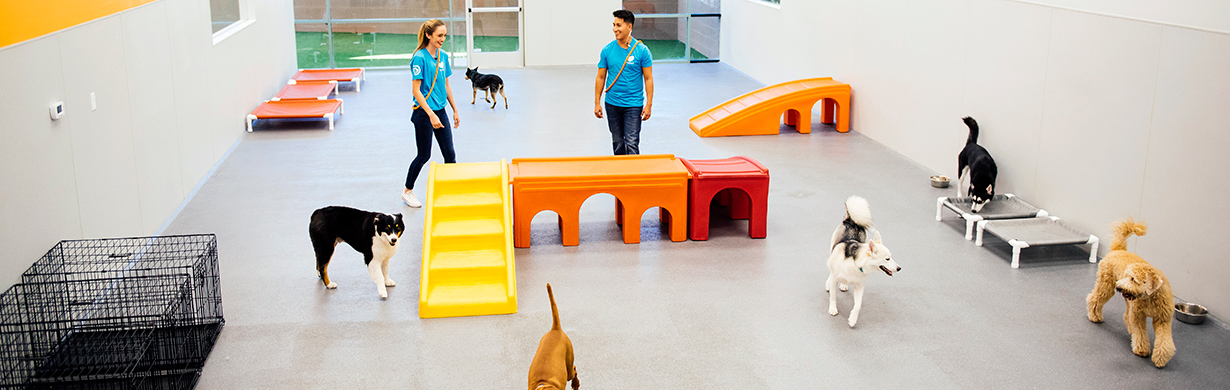
Overnight doggy day care refers to boarding arrangements where dogs participate in supervised daytime activities and remain in the same facility for evening rest, often with staff present or nearby. This model differs from traditional boarding because the focus remains on group dynamics and environmental enrichment rather than strictly individual isolation. Facilities offering this service typically maintain a structured environment that mimics the regularity of a home setting, providing scheduled meal times, consistent potty breaks, and periods of rest. The primary objective is to minimize the stress associated with moving the dog between a daytime play center and a separate boarding kennel, thereby providing a more seamless experience for pets that thrive on familiarity and social engagement.
Evaluating Behavioral and Health Impacts
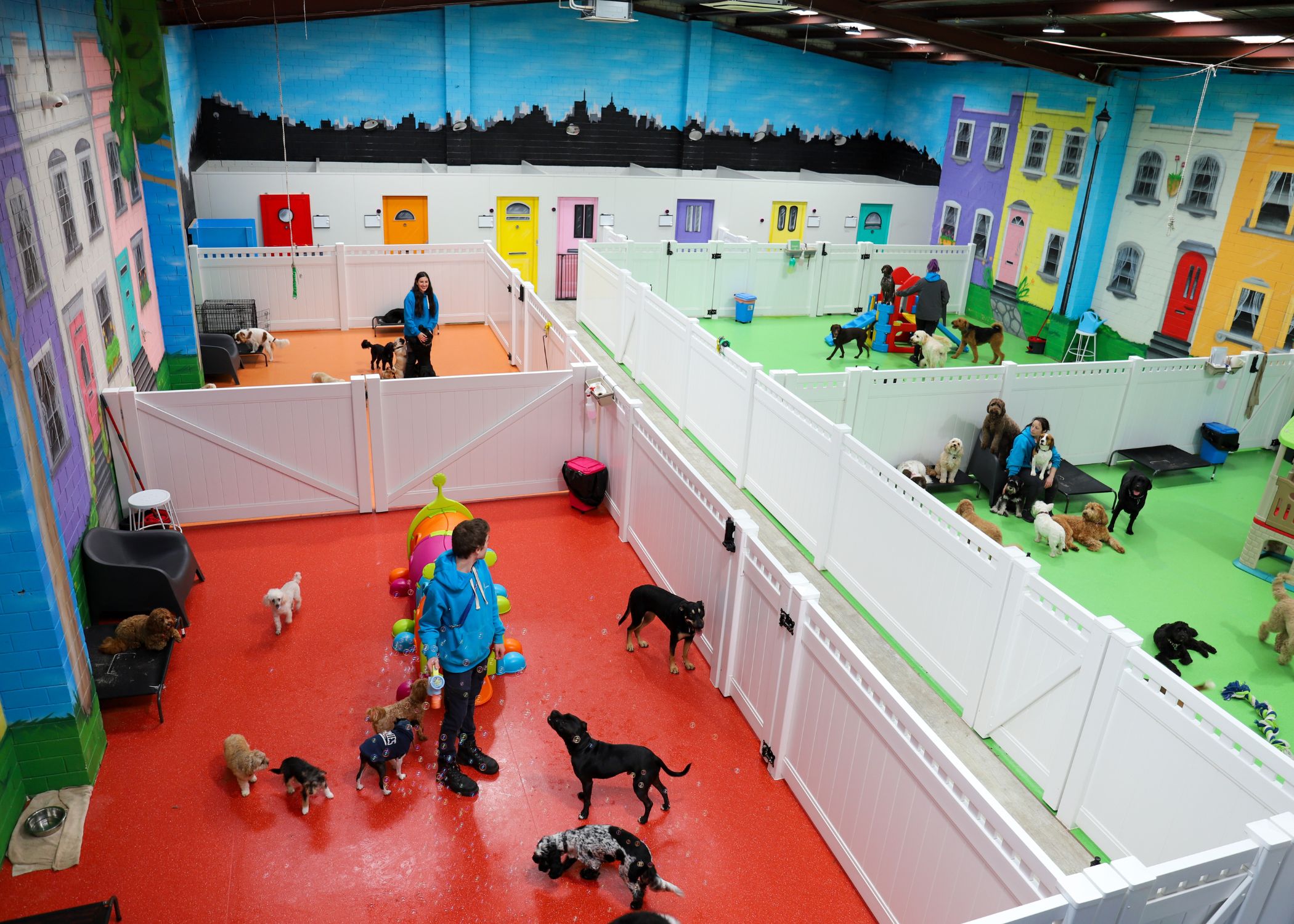
The impact of overnight stays on a dog depends heavily on the individual animal’s temperament and the quality of supervision provided by the facility. While active socialization can be beneficial for many dogs, the lack of a quiet, private space for rest can lead to overstimulation or exhaustion, particularly in animals that struggle with high-energy group environments. Constant exposure to other dogs without adequate downtime may increase stress levels, which can manifest as changes in appetite, digestive upset, or behavioral shifts. Owners must consider whether the facility provides distinct, quiet areas where dogs can withdraw from the group to sleep, as consistent, high-quality rest is a fundamental physiological requirement for canine health.
Proper socialization involves controlled exposure to new environments and animals to prevent fear-based behavioral issues. — American Kennel Club (AKC)
Strategies for Successful Overnight Transitions
Preparing a dog for an overnight stay requires a proactive approach that begins long before the actual drop-off date. Introducing the dog to the facility during shorter, daytime-only sessions allows the animal to become familiar with the sights, sounds, and staff members without the added pressure of an extended stay. During these trial periods, observing how the dog interacts with the environment and whether the staff monitors play styles effectively is crucial. Furthermore, maintaining consistency in diet and daily routines is recommended to mitigate stress. Providing the facility with clear instructions regarding feeding schedules, medication requirements, and any known behavioral triggers ensures that the staff can provide care that aligns with the dog’s established needs at home. For further information on managing transitions, exploring resources on Dog Behavior can provide additional insights.
Best Practices and Common Pitfalls
Avoiding common mistakes, such as booking an overnight stay without a prior facility tour or a trial run, is essential for minimizing potential issues. A high-quality facility will always encourage owners to visit the premises to inspect the cleanliness, the ratio of staff to dogs, and the safety protocols in place. Staff should be able to explain how they handle conflicts between dogs and how they monitor for signs of fatigue or illness. It is also important to verify that the facility requires proof of up-to-date vaccinations, as this is a primary defense against the spread of infectious diseases in communal settings. Monitoring the dog’s behavior upon return is equally important, as it provides feedback on how well the animal tolerated the experience and whether adjustments are needed for future visits.
Maintaining consistent daily routines and clear communication with care providers significantly reduces anxiety in boarding dogs. — American Society for the Prevention of Cruelty to Animals (ASPCA)
Pet Care & Wellness Overview Table
| Life Stage | Daily Activity Level | Key Nutrition / Care Focus |
|---|---|---|
| Puppy / Kitten | High (frequent short bursts) | High-protein growth diet & early socialization |
| Adult Companion | Moderate (30–60 mins daily) | Balanced maintenance nutrition & dental hygiene |
| Senior Pets | Low to Gentle (mindful walks) | Joint support (Glucosamine) & routine vet checks |
Images References








Considerations for Breed, Age, and Temperament
Individual characteristics such as breed history, age, and personality significantly influence a dog’s suitability for overnight day care. Younger dogs may require more frequent interaction and may not yet have the stamina for long periods of group play, while senior dogs often require a slower pace and more accessible accommodations. Certain breeds known for high sociability may integrate easily into group settings, whereas others with strong guarding instincts or territorial tendencies might find the presence of many unfamiliar dogs stressful. Understanding the unique traits of Dog Breeds allows owners to set realistic expectations and choose environments that support the specific needs of their companions.
When to Consult Veterinary or Behavioral Professionals
Professional consultation is necessary if a dog displays persistent signs of extreme distress, such as refusal to eat, excessive vocalization, or destructive behavior during or after a stay. If an animal has a known history of anxiety or aggression, it is imperative to speak with a veterinarian or a certified professional trainer before attempting any form of boarding. These experts can help determine if a group-based overnight setting is appropriate or if a more private, one-on-one boarding arrangement would be safer and more comfortable for the animal. Any sudden change in health status or behavior should always be addressed promptly by a licensed veterinarian to rule out underlying medical concerns.
Prioritizing Canine Well-being
Choosing the right overnight care is a commitment to the long-term emotional and physical health of a canine family member. By prioritizing transparency, safety protocols, and the individual needs of the dog, owners can make informed decisions that support positive experiences. For more guidance on ensuring the comfort and health of a pet, visit PetsAnimalsWorld.com, where a wealth of information on Dog Care and Dog Health is available to help navigate the many aspects of responsible pet ownership. Careful planning and a focus on quality care ensure that every dog remains supported, even when away from home.