

Understanding the Importance of Doggy Day Care Standards
Selecting a professional environment for a canine companion requires careful consideration, as the quality of care significantly influences a pet’s well-being. In the United Kingdom, doggy day care is a regulated industry, yet the depth of qualifications held by staff can vary between facilities. Understanding what constitutes appropriate professional standards helps owners navigate the landscape of pet care services. According to the Royal Society for the Prevention of Cruelty to Animals (RSPCA), high-quality day care providers should prioritize the welfare of the animals above all else, ensuring that staff are not only present but also knowledgeable in animal handling and emergency protocols. Evaluating the credentials of a facility ensures that a dog remains in a safe, stimulating, and supportive environment throughout the day.
💡 Pet Care Key Takeaways:
- Core Focus: Practical health, nutrition, and wellness guidelines for Doggy Day Care Qualifications Uk.
- Target Scope: Pet owners, animal caregivers, and veterinary support staff.
- Best Recommendation: Maintain consistent daily routines and consult an accredited veterinarian before introducing major diet or medical changes.
The Regulatory Landscape of Doggy Day Care Qualifications in the UK
In the United Kingdom, doggy day care facilities are primarily governed by the Animal Welfare (Licensing of Activities Involving Animals) (England) Regulations 2018, which mandate that any business providing day care for dogs must be licensed by the local authority. While local council licensing is the baseline legal requirement, it is not a direct measure of advanced professional qualification. Instead, it serves as an assurance that the facility meets minimum standards regarding space, hygiene, and supervision. Beyond these mandatory licenses, reputable establishments often seek out staff with formal qualifications in canine care, such as Level 2 or Level 3 diplomas in Animal Management, Canine Behaviour, or Pet Sitting and Dog Walking. These certifications demonstrate a commitment to professional development and a deeper understanding of the complexities involved in managing groups of dogs.
Impact on Canine Health and Behavioral Well-being
Qualified staff members are better equipped to recognize subtle shifts in Dog Behavior, which is critical for preventing stress and managing social dynamics within a group. A professional who understands body language can intervene before a minor disagreement between dogs escalates into a conflict or results in injury. Furthermore, those with specialized training in animal first aid can respond efficiently to medical emergencies, such as sudden illness or accidental injury, while waiting for veterinary assistance. The presence of educated personnel ensures that the environment remains enriching rather than overwhelming, catering to the individual needs of every dog present.
The Animal Welfare Act 2006 requires owners and those in charge of animals to ensure their welfare needs are met, including the need for a suitable environment, a suitable diet, and the ability to exhibit normal behavior patterns. — UK Government Department for Environment, Food & Rural Affairs (Defra)
Evaluating Potential Facilities for Your Dog
When assessing a facility, owners should look beyond the basic council license and inquire about the specific training undertaken by the team. A high-quality day care provider will be transparent about their staff’s qualifications and internal training procedures. Questions regarding the staff-to-dog ratio are essential, as even highly qualified individuals cannot effectively supervise a group that is too large. Furthermore, inquire about the facility’s policy on introductions; a professional center will always perform an initial assessment to ensure a new dog is compatible with the existing group. Observing how staff interact with the dogs during a visit can also provide insight into their training philosophy and general competence in Dog Care.
Best Practices for Selecting a Day Care
The most effective way to gauge a facility is to ask for documentation regarding staff certifications and to observe the play areas firsthand. Avoid centers that do not have a robust, structured intake process, as this often suggests a lack of focus on behavioral compatibility. Ensure the facility maintains a clean, well-ventilated, and temperature-controlled environment, as these factors directly impact the health of the animals. It is also advisable to check for memberships in professional organizations, such as the Pet Industry Federation or similar trade bodies that advocate for high standards of animal welfare. Consistency in supervision is a hallmark of a professional service, ensuring that no dog is left unattended for extended periods.
Properly managed day care environments that provide appropriate rest periods and mental stimulation can help reduce anxiety and destructive behaviors in dogs that are left alone for long durations. — American Veterinary Medical Association (AVMA)
Pet Care & Wellness Overview Table
| Life Stage | Daily Activity Level | Key Nutrition / Care Focus |
|---|---|---|
| Puppy / Kitten | High (frequent short bursts) | High-protein growth diet & early socialization |
| Adult Companion | Moderate (30–60 mins daily) | Balanced maintenance nutrition & dental hygiene |
| Senior Pets | Low to Gentle (mindful walks) | Joint support (Glucosamine) & routine vet checks |
Images References
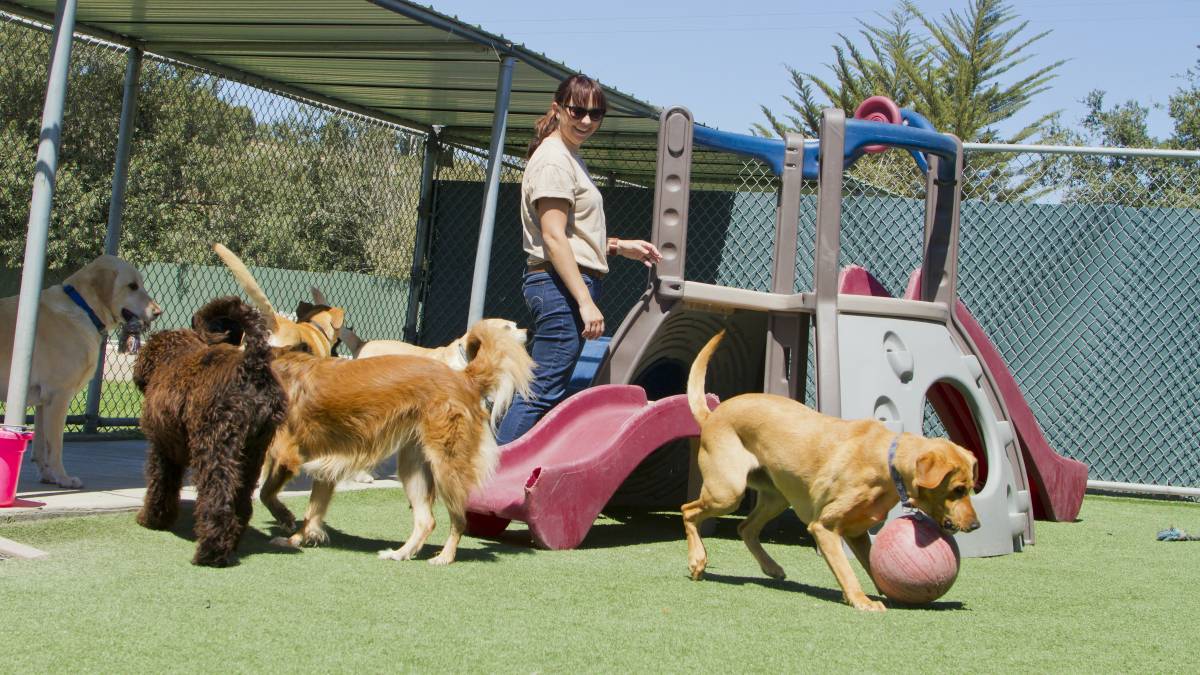


Considering Individual Needs and Temperament
Every dog has unique requirements based on age, breed, and personality, and a qualified day care team will acknowledge these differences. For instance, a high-energy working breed might require more mental stimulation and physical activity than a senior dog who prefers a quieter environment. When considering Dog Breeds, it is important to remember that some breeds are more prone to social fatigue and may require scheduled downtime. A reputable facility will offer options for rest, ensuring that dogs are not forced into continuous play, which can lead to exhaustion or over-stimulation. Tailoring the daily routine to the individual’s history and health status is a clear indicator of professional competence.
When to Consult a Veterinary or Behavioral Professional
If a dog displays signs of chronic stress, persistent aggression, or unusual changes in physical health, consultation with a veterinarian or a certified animal behaviorist is necessary. While day care can provide social opportunities, it is not a solution for dogs suffering from severe separation anxiety or reactivity. A professional veterinary examination can rule out underlying medical issues that might be contributing to behavioral concerns. If a dog is struggling to adapt to a group environment, it is kinder to explore alternative care arrangements, such as individual dog walkers or home-based pet sitters, rather than forcing a situation that causes distress.
Closing Thoughts on Professional Pet Care
Choosing the right day care is a significant decision that impacts the daily life of a canine companion. By prioritizing facilities that value staff qualifications, transparent licensing, and individualized care, owners can provide a safe and positive experience for their pets. Continual learning and staying informed about best practices are essential components of responsible ownership. For more resources on maintaining the well-being of a pet, visit PetsAnimalsWorld.com, where information on Dog Health and Dog Training is readily available to support the lifelong journey of caring for a dog.


