Evaluating the Standards Behind Canine Group Facilities
Choosing a supervised group environment for a canine companion requires careful consideration of facility standards, staff expertise, and operational safety measures. According to the American Society for the Prevention of Cruelty to Animals (ASPCA), proper socialization and environmental management are essential for maintaining the psychological well-being of companion animals in group settings. When families evaluate prospective group facilities, understanding the underlying framework of doggy day care qualifications helps ensure that the chosen establishment maintains rigorous safety protocols, appropriate staff-to-dog ratios, and structured daily routines that support positive animal welfare.
💡 Pet Care Key Takeaways:
- Core Focus: Practical health, nutrition, and wellness guidelines for Doggy Day Care Qualifications.
- Target Scope: Pet owners, animal caregivers, and veterinary support staff.
- Best Recommendation: Maintain consistent daily routines and consult an accredited veterinarian before introducing major diet or medical changes.
Understanding Facility Standards and Staff Credentials
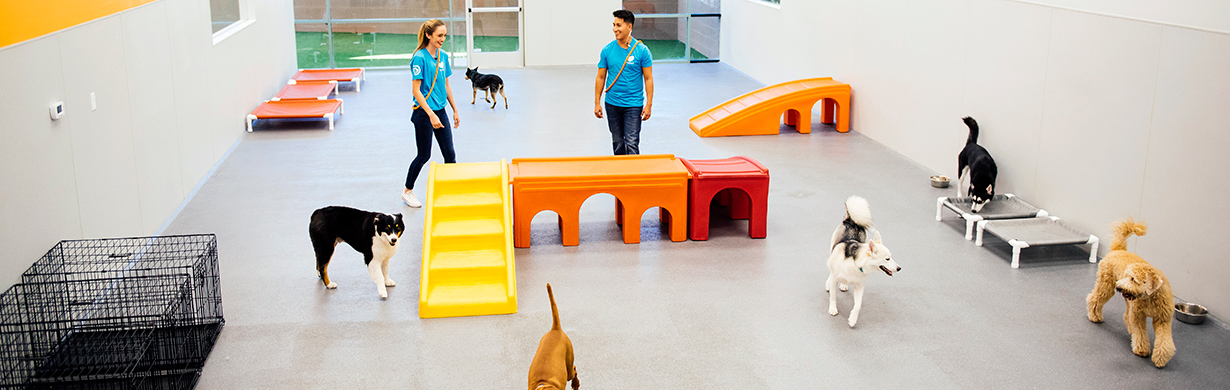
Doggy day care qualifications encompass a comprehensive set of operational benchmarks, staff training requirements, and facility design principles that separate professional establishments from substandard operations. A properly qualified facility typically employs personnel certified in pet first aid and cardiopulmonary resuscitation (CPR), alongside training in canine body language and group management. Staff members must be capable of recognizing subtle stress signals, appeasing behaviors, and physiological indicators of fatigue or overstimulation before minor tensions escalate into altercations. Furthermore, structural qualifications involve secure perimeter fencing, slip-resistant flooring, adequate ventilation systems to prevent airborne pathogen accumulation, and distinct separation areas for resting or managing dogs of differing sizes and play styles.
Impact on Canine Health, Safety, and Socialization
The implementation of strict operational standards directly influences the physical safety and behavioral health of participating dogs during group play. Facilities that enforce comprehensive screening processes—such as evaluating baseline temperament, verifying up-to-date vaccinations, and requiring proof of parasite control—significantly reduce the transmission of infectious diseases and the incidence of preventable behavioral conflicts. Conversely, overcrowded or under-supervised environments can induce chronic stress, leading to cortisol elevation, exhaustion, and an increased risk of injury. Maintaining appropriate group sizes allows handlers to monitor individual interactions closely, ensuring that play remains mutually beneficial rather than overwhelming for sensitive or introverted dogs.
Proper behavioral screening and vaccination verification are fundamental requirements for reducing disease transmission and preventing group conflict in multi-dog environments — American Veterinary Medical Association
Implementing Best Practices for Facility Selection
Navigating the selection process involves conducting thorough facility tours, reviewing emergency response plans, and asking targeted questions about daily supervision policies. Responsible operators willingly demonstrate transparency regarding their cleaning protocols, use of disinfectants safe for animals, and procedures for handling unexpected veterinary emergencies. Owners should observe how staff members interact with the animals, noting whether handlers rely on positive reinforcement and calm redirection rather than punitive or intimidation-based techniques when managing group dynamics.
Key Strategies and Common Pitfalls in Day Care Management
Optimizing the group experience requires balancing active play periods with mandatory rest intervals to prevent physical exhaustion and emotional burnout. A common mistake among pet owners is assuming that continuous, high-intensity group play throughout an entire workday is universally beneficial for every dog. In reality, many dogs benefit from structured downtime in individual resting crates or quiet rooms to regulate their arousal levels. Additionally, facilities should maintain clear separation between large and small breeds to prevent accidental injuries caused by significant disparities in size and physical strength.
Structured rest periods and environmental enrichment are essential components for preventing chronic fatigue and stress-related behavioral deterioration in group settings — Association of Professional Dog Trainers
Pet Care & Wellness Overview Table
| Life Stage | Daily Activity Level | Key Nutrition / Care Focus |
|---|---|---|
| Puppy / Kitten | High (frequent short bursts) | High-protein growth diet & early socialization |
| Adult Companion | Moderate (30–60 mins daily) | Balanced maintenance nutrition & dental hygiene |
| Senior Pets | Low to Gentle (mindful walks) | Joint support (Glucosamine) & routine vet checks |
Images References





Tailoring Facility Choice to Breed, Age, and Temperament
Individual characteristics such as age, breed-specific drives, physical maturity, and inherent temperament heavily influence whether a dog is genuinely suited for group day care environments. Adolescent dogs often possess high energy levels and benefit from structured outlets, while senior dogs or brachycephalic breeds—dogs with shortened facial structures—may struggle with the physical demands and thermal stress of continuous group activity. Exploring resources on Dog Breeds can help owners understand specific physical limitations and behavioral tendencies. Additionally, young puppies require specialized socialization protocols that protect their developing immune systems while fostering positive environmental exposures, making standard adult day care settings inappropriate for very young animals.
When to Consult Veterinary and Behavioral Professionals
Professional guidance from a veterinarian or a certified animal behaviorist becomes necessary if a dog displays persistent anxiety, fear-based reactivity, or aggression either during or after attendance at a group facility. For behavioral concerns related to group stress, consulting Dog Behavior resources or working with a credentialed professional ensures that underlying emotional triggers are addressed humanely. Furthermore, any sudden changes in appetite, unexplained physical injuries, or recurring respiratory illnesses following day care visits warrant immediate veterinary evaluation to safeguard the animal’s long-term health.
Securing Safe Environments for Companion Animals
Selecting a high-standard facility requires diligence, ongoing observation, and a thorough understanding of what constitutes professional animal care. By prioritizing establishments that invest in continuous staff education, transparent safety policies, and individualized animal management, owners can support their pets’ well-being while fulfilling busy schedules. Explore additional insights on Dog Care and Dog Health to further empower your journey as a responsible pet guardian. Visit PetsAnimalsWorld.com for more expert guidance and practical resources dedicated to enhancing the lives of companion animals.