

Understanding the Fundamentals of XL Dog Care for Giant Breeds
Managing the needs of giant and extra-large breeds requires a specialized understanding of canine physiology, environmental adjustments, and long-term wellness planning. According to the American Kennel Club (AKC), giant dog breeds possess unique anatomical structures and metabolic demands that set them apart from smaller canine companions. Providing proper oversight for massive dogs involves much more than simply scaling up food bowls and sleeping areas. Owners must actively address the structural stress placed on large joints, monitor rapid growth phases during puppyhood, and adapt living spaces to accommodate towering statures comfortably. Committing to giant-breed stewardship means looking ahead at how longevity, nutrition, and joint support interact throughout every life stage.
💡 Pet Care Key Takeaways:
- Core Focus: Practical health, nutrition, and wellness guidelines for Xl Dog Care.
- Target Scope: Pet owners, animal caregivers, and veterinary support staff.
- Best Recommendation: Maintain consistent daily routines and consult an accredited veterinarian before introducing major diet or medical changes.
Comprehensive guidelines for oversized canines focus heavily on structural longevity and disease prevention. Giant dogs experience accelerated skeletal development during their first eighteen to twenty-four months, making structural management a foundational priority. Maintaining ideal body condition scores prevents excess mechanical strain on developing limbs, significantly lowering the long-term risk of orthopedic complications. Furthermore, large-scale canines require durable equipment, tailored housing adaptations, and thoughtful exercise regimens that protect vulnerable joints from high-impact trauma. Establishing routine wellness examinations helps veterinarians track developmental milestones and catch subtle mobility shifts before they evolve into chronic health concerns.
Defining XL Dog Care and Structural Management
Extra-large dog care encompasses targeted strategies designed to support dogs typically weighing over one hundred pounds, such as Mastiffs, Great Danes, and Saint Bernards. This specialized branch of Dog Care integrates specialized nutrition, low-impact exercise, and environmental ergonomics to safeguard massive frames. Because giant breeds experience rapid bone elongation relative to muscle growth, their skeletal systems remain vulnerable during youth. Proper oversight requires balanced calcium-to-phosphorus ratios in commercial diets and careful control over physical exertion to protect soft growth plates.
Ergonomic adjustments form a cornerstone of daily routines for oversized canines. Elevated feeding stations, while once widely recommended, are now evaluated carefully by veterinary professionals to determine individual suitability regarding bloat risks. Supportive orthopedic bedding cushions heavy pressure points, helping to prevent calluses and ease stiffness in aging elbows and hips. Doorways, vehicle ramps, and flooring surfaces also demand careful attention to prevent slips, falls, and unnecessary joint twisting during everyday movement.
Health and Behavioral Implications of Giant Statures
Physical scale directly influences the physiological vulnerabilities and metabolic processes unique to giant-breed dogs. Conditions such as gastric dilatation-volvulus, commonly known as bloat, represent critical emergencies where the stomach fills with gas and twists, requiring immediate veterinary intervention. Symptoms include unproductive retching, abdominal distension, and severe restlessness. Alongside acute risks, chronic orthopedic concerns like hip dysplasia and elbow dysplasia require lifelong monitoring through routine veterinary assessments and proactive Dog Health protocols.
Large and giant dog breeds face distinct metabolic and structural challenges that require specialized nutritional management and lifelong veterinary monitoring. — American Veterinary Medical Association
Behavioral development in massive dogs also warrants deliberate attention from an early age. A large adolescent dog jumping out of exuberance poses a very different safety challenge than a smaller companion exhibiting the same behavior. Integrating early socialization and positive reinforcement training ensures that powerful dogs remain manageable in public and domestic settings. Consulting resources focused on Dog Behavior helps owners understand how confidence-building and clear communication prevent fear-based reactivity in powerful working breeds.
Strategies for Implementing Effective Giant Breed Management
Executing a successful management plan for giant breeds involves structuring daily routines around safety, controlled activity, and preventive wellness. Exercise should consist of steady, moderate walks rather than high-intensity jumping, sharp turning, or long-distance running on hard pavement. Swimming offers an exceptional low-impact workout that builds cardiovascular endurance without placing concussive stress on developing or aging joints. Additionally, maintaining a lean body mass through accurate portion control remains the single most effective way to extend mobility and vitality.
Grooming and hygiene routines also scale up significantly when managing massive canines. Heavy double coats require regular brushing to prevent painful matting and skin infections, while giant paws demand diligent nail trimming to maintain correct traction and posture. Integrating consistent Dog Grooming habits creates valuable opportunities to inspect the skin for lumps, parasites, or hot spots hidden beneath dense fur.
Best Practices and Common Oversights in Massive Canine Maintenance
Successful daily maintenance relies on proactive habits rather than reactive fixes when managing massive dogs. Owners should avoid encouraging intense play immediately before and after meals to minimize digestive risks. Consistency in training builds reliable impulse control, ensuring that leash manners remain manageable even when physical strength outweighs human handlers. Skipping routine wellness checks or ignoring subtle changes in gait represents a frequent oversight that can allow progressive joint deterioration to advance unchecked.
Routine veterinary evaluations help detect early signs of musculoskeletal strain, allowing for timely interventions in large and giant dog breeds. — American Kennel Club
Pet Care & Wellness Overview Table
| Life Stage | Daily Activity Level | Key Nutrition / Care Focus |
|---|---|---|
| Puppy / Kitten | High (frequent short bursts) | High-protein growth diet & early socialization |
| Adult Companion | Moderate (30–60 mins daily) | Balanced maintenance nutrition & dental hygiene |
| Senior Pets | Low to Gentle (mindful walks) | Joint support (Glucosamine) & routine vet checks |
Images References

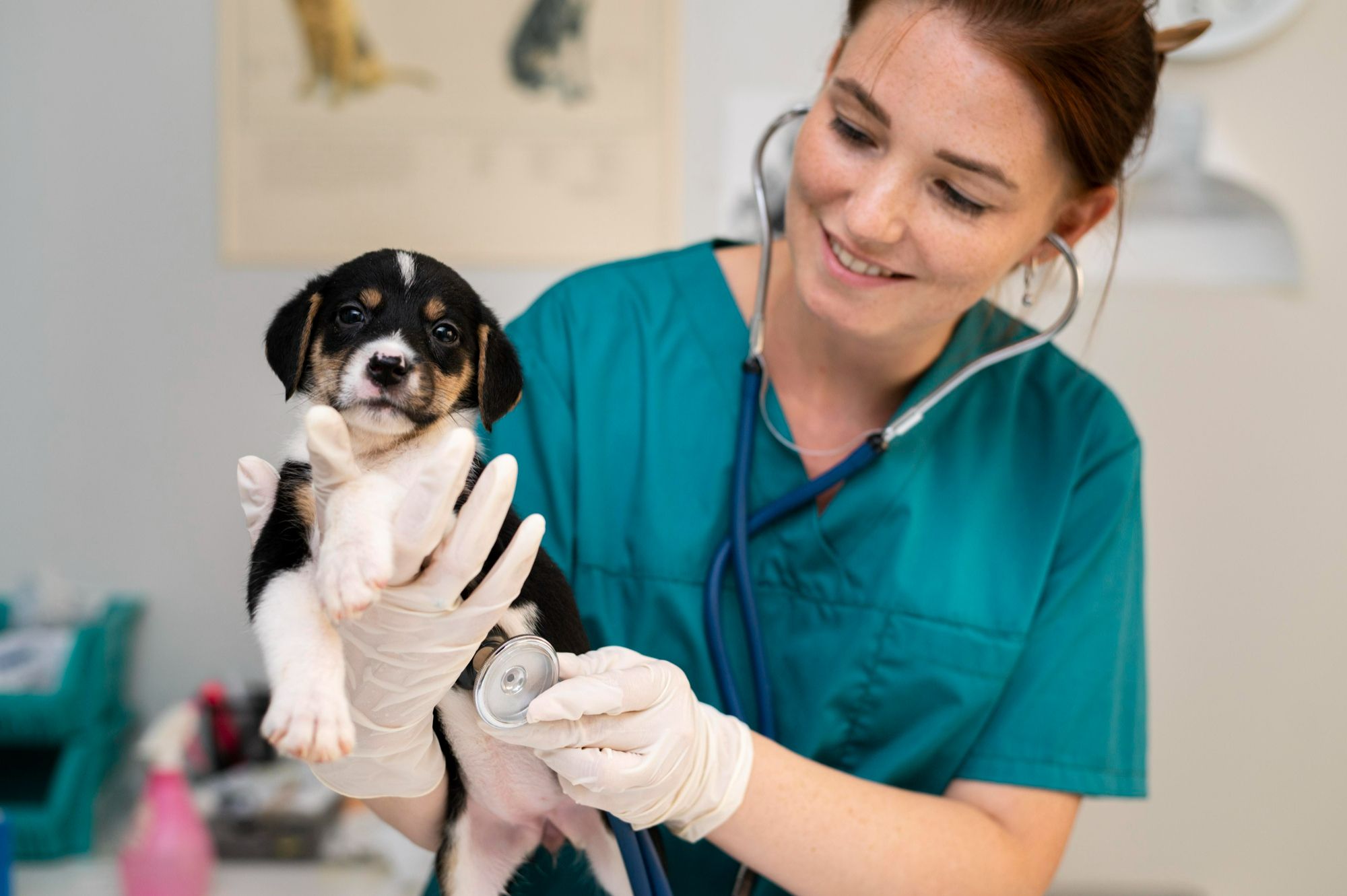




Providing mental stimulation is equally important as physical exercise for high-capacity working breeds. Puzzle toys, scent games, and structured obedience sessions prevent boredom and destructive behaviors. Balancing mental enrichment with appropriate physical outlets creates a well-adjusted, calm companion capable of navigating complex household environments safely.
Breed Variations, Lifespan, and Developmental Stages
Biological diversity among giant breeds results in notable variations in temperament, metabolic rate, and expected lifespan. While smaller canines often live well into their mid-teens, extra-large breeds typically experience a shorter average lifespan, making proactive senior care essential. Exploring detailed breed profiles via Dog Breeds resources provides valuable insight into specific heritage traits, working drives, and lineage-related health predispositions.
Puppyhood, adolescence, and senior years each present distinct management requirements. During the rapid growth phase, puppies need precise nutrition that avoids excess caloric density. In contrast, senior giant dogs often benefit from joint supplements, modified flooring for traction, and adjusted caloric intake to match declining activity levels. Recognizing these life-stage transitions allows owners to adapt care protocols proactively.
When to Consult a Veterinary Professional or Certified Trainer
Professional guidance is essential whenever an owner observes sudden behavioral shifts, persistent lameness, or signs of acute illness in a giant breed. For suspected poisoning, difficulty breathing, seizures, collapse, severe bleeding, or severe abdominal distension, immediate veterinary care is required. Never attempt home remedies, induce vomiting, or administer human medications without explicit veterinary direction. For persistent fear, reactivity, or handling sensitivities, work alongside a qualified, certified professional utilizing force-free reinforcement methods rather than punitive correction techniques.
Conclusion
Mastering giant-breed stewardship brings unique rewards and responsibilities, enriching the lives of both dogs and their families through dedicated, informed management. By prioritizing joint health, appropriate nutrition, positive training, and routine veterinary oversight, owners ensure their massive companions thrive at every age. Explore more guidance across Dog Training, Dog Nutrition, and additional insights at PetsAnimalsWorld.com to support your journey in responsible pet stewardship.


