Understanding Why a Rottweiler Eye Smells Bad and What It Signals
Noticing an unusual odor emanating from a canine companion requires immediate observation, especially when facial features are involved. According to the American Kennel Club, routine physical monitoring of a dog’s eyes, ears, and skin is essential for catching early signs of discomfort or illness. When a distinct, unpleasant smell arises from the facial region, it typically points toward an underlying medical concern that warrants a closer look. Rottweilers possess specific facial anatomy, including prominent brow ridges and occasional loose facial skin folds, which can sometimes influence how moisture and debris accumulate around the eyes. Discovering an unexpected odor is rarely a normal occurrence and serves as a clear signal that something requires attention.
💡 Pet Care Key Takeaways:
- Core Focus: Practical health, nutrition, and wellness guidelines for Rottweiler Eye Smells Bad.
- Target Scope: Pet owners, animal caregivers, and veterinary support staff.
- Best Recommendation: Maintain consistent daily routines and consult an accredited veterinarian before introducing major diet or medical changes.
Decoding the Source of Unusual Ocular Odors
An unfamiliar or foul scent originating near the ocular region usually stems from bacterial growth, trapped moisture, or localized inflammation. The term ocular discharge refers to any fluid—ranging from clear tears to thick, colored mucus—that collects around the corners of the eyes. When this moisture mixes with natural skin bacteria and the warmth of facial folds, it creates an environment where microorganisms thrive, producing an unpleasant smell. Common culprits behind this phenomenon include conjunctivitis, which is inflammation of the delicate mucous membrane lining the eyelids, blocked tear ducts, corneal ulcers, or anatomical traits like entropion, a condition where the eyelid rolls inward and irritates the surface of the eye.
Assessing the Impact on Canine Health and Comfort
Persistent facial odors and associated discharge can significantly diminish a dog’s daily comfort and long-term health if left unaddressed. Unpleasant smells rarely exist in isolation; they are frequently accompanied by redness, squinting, frequent pawing at the face, or excessive tear staining that leaves the fur damp and discolored. Chronic moisture irritation can lead to secondary skin infections in the surrounding folds, turning a minor issue into a painful dermatological problem. Maintaining optimal physical wellness relies heavily on early detection, as untreated eye conditions carry the risk of progressive damage to vision and overall ocular health. Reliable resources regarding Dog Health emphasize that prompt veterinary evaluation prevents minor irritations from escalating into severe medical complications.
Routine inspection of facial features allows caregivers to identify subtle shifts in moisture levels, odor, and tissue appearance before pain develops. — American Kennel Club
Practical Approaches to Managing Ocular Hygiene
Addressing an unpleasant facial odor safely involves gentle hygiene practices and professional veterinary guidance rather than aggressive home treatments. Caregivers should never apply human medications, leftover prescription drops, or unverified herbal concoctions to a dog’s eyes, as these substances can cause severe chemical trauma or worsen underlying injuries. Safe management begins with wiping away crust buildup around the exterior corners of the eyes using a soft, damp cloth moistened solely with warm water, moving carefully away from the eyeball. If a veterinarian prescribes specific medicated rinses or topical ointments, applying them precisely according to professional instructions ensures the treatment reaches the affected tissues effectively without introducing additional irritation.
Best Practices and Common Mistakes to Avoid in Ocular Care
Proper preventive care safeguards sensitive facial tissues while minimizing the risk of accidental injury during hygiene routines. One frequent mistake involves using dry paper towels or abrasive cloths that can micro-scratch the delicate surface of the cornea or irritate fragile skin folds. Another error is attempting to pluck or trim facial hair surrounding the eyes with standard scissors without professional grooming assistance or specialized equipment. Establishing a calm, reassuring routine helps dogs remain still during gentle inspections, reducing sudden movements that could cause accidental trauma. Sound guidance found within resources on Dog Care highlights the importance of consistency, patience, and professional partnership when maintaining canine hygiene.
Topical ophthalmic medications require professional diagnosis because treatments suitable for simple inflammation can severely damage eyes affected by deep corneal ulcers. — American Veterinary Medical Association
Pet Care & Wellness Overview Table
| Life Stage | Daily Activity Level | Key Nutrition / Care Focus |
|---|---|---|
| Puppy / Kitten | High (frequent short bursts) | High-protein growth diet & early socialization |
| Adult Companion | Moderate (30–60 mins daily) | Balanced maintenance nutrition & dental hygiene |
| Senior Pets | Low to Gentle (mindful walks) | Joint support (Glucosamine) & routine vet checks |
Images References








Breed-Specific Traits and Anatomical Considerations
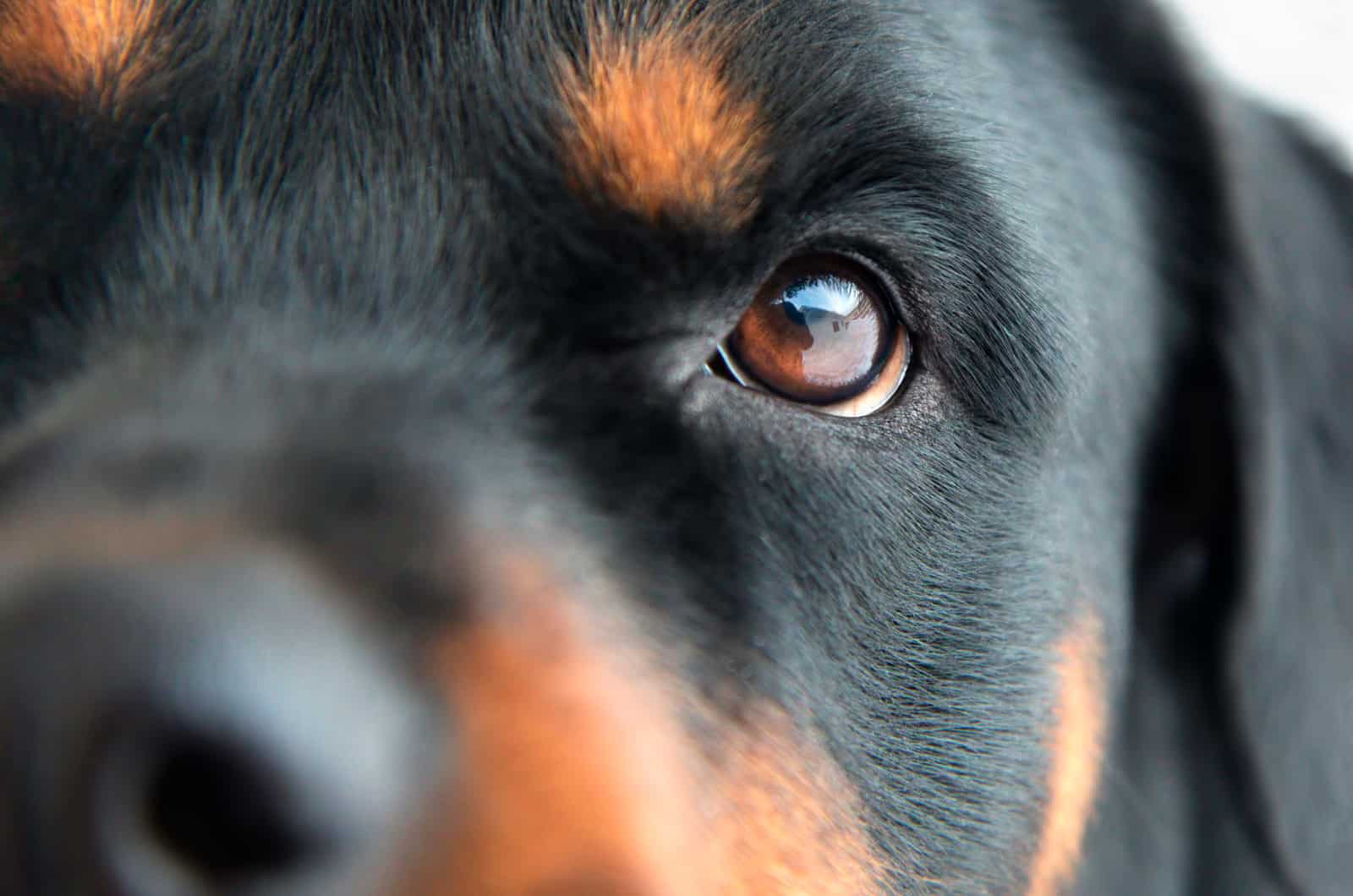
Evaluating facial health in larger guarding breeds requires an understanding of how distinct physical characteristics influence moisture accumulation and hygiene needs. While Rottweilers are not classified among extreme brachycephalic breeds, individual dogs may still exhibit varying degrees of loose facial skin, prominent brow structures, or localized wrinkles around the nasal bridge. These anatomical features can trap moisture from normal tear production, creating microclimates where bacteria and yeast multiply rapidly. Recognizing these breed-related tendencies allows owners to tailor their maintenance routines, ensuring that areas prone to moisture retention remain clean, dry, and free from chronic irritation.
When to Consult a Veterinarian Immediately
Professional veterinary evaluation is mandatory whenever a foul odor accompanies symptoms such as sudden cloudiness of the eye, squinting, severe swelling, thick yellow or green discharge, or obvious signs of pain. Attempting to diagnose or treat complex ocular infections without professional clinical tools can result in permanent vision impairment or loss of the eye. Veterinarians utilize specialized diagnostic equipment, such as staining procedures to detect corneal scratches and tonometry to measure intraocular pressure, ensuring an accurate diagnosis. For comprehensive information on supporting canine wellness and understanding specialized needs, explore resources dedicated to Dog Breeds.
Closing Insights on Canine Wellness
Monitoring a dog’s facial health ensures that subtle changes, such as unexpected odors, are caught and resolved before they compromise overall well-being. By combining attentive daily observation with professional veterinary guidance, owners can maintain optimal hygiene and address health concerns safely. Visit PetsAnimalsWorld.com to explore additional expert-backed insights and helpful guides designed to support responsible pet ownership across every stage of a dog’s life.