

Understanding the Unique Essentials of Xoloitzcuintli Maintenance
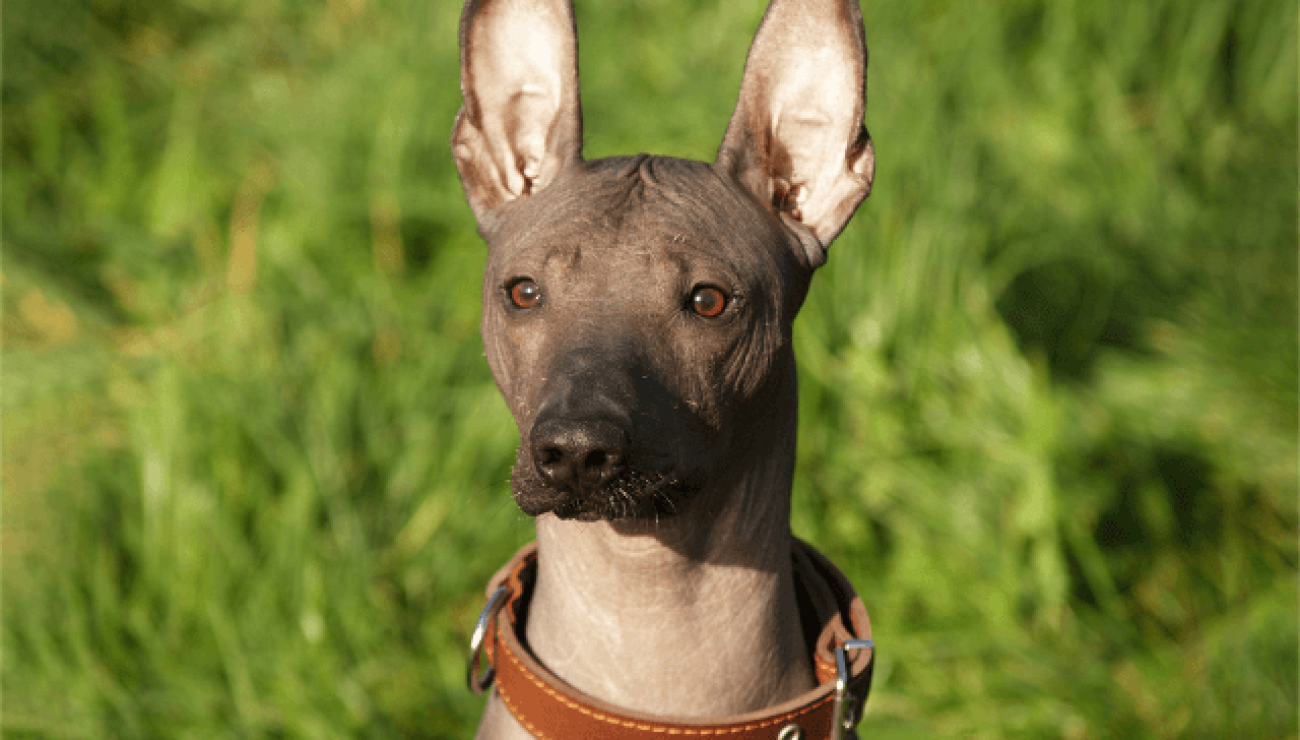
According to the American Kennel Club, the Xoloitzcuintli, often called the Xolo or Mexican Hairless Dog, is an ancient breed prized for its loyalty, intelligence, and distinctive appearance. Proper Xolo dog care requires understanding the specific physiological and behavioral traits that set this ancient companion apart from coated breeds. Because these dogs lack fur in their hairless variety, managing their daily routines involves considerations that stretch far beyond standard canine maintenance. Owners navigating this path often explore resources dedicated to Dog Breeds to better appreciate the historical context and biological makeup of the animal sharing the household. Tailoring daily routines to match a hairless or coated physiology ensures long-term vitality, making informed preparation an absolute necessity for modern guardians.
💡 Pet Care Key Takeaways:
- Core Focus: Practical health, nutrition, and wellness guidelines for Xolo Dog Care.
- Target Scope: Pet owners, animal caregivers, and veterinary support staff.
- Best Recommendation: Maintain consistent daily routines and consult an accredited veterinarian before introducing major diet or medical changes.
Defining Comprehensive Xolo Dog Care Principles
Comprehensive Xolo dog care encompasses specialized dermal hygiene, climate management, and targeted nutrition tailored to a unique metabolic rate. Unlike standard canine maintenance, which frequently emphasizes heavy coat brushing, managing a hairless companion focuses heavily on skin protection, gentle cleansing routines, and hydration monitoring. Environmental factors play an outsized role in daily management because bare skin absorbs solar radiation and loses body heat much faster than a standard fur coat. Establishing a reliable husbandry routine involves balancing indoor comfort with protected outdoor exposure, shielding sensitive epidermis from sunburn during peak daylight hours while providing warm bedding during chilly weather drops. Maintaining this delicate balance prevents common dermal irritations and keeps the animal comfortable across changing seasonal shifts.
Dermal Protection and Environmental Health Impacts
Managing bare skin requires vigilance against environmental hazards, temperature extremes, and common allergens that typically get trapped by fur in other breeds. Without a natural hair barrier, a hairless canine is directly exposed to ultraviolet rays, minor abrasions, and drying winds that can compromise the skin barrier function. Regular baths using pH-balanced canine cleansers help remove excess sebum and environmental debris, but over-bathing can strip essential moisture and lead to flaking or dermatitis. Experts in Dog Health frequently emphasize that protecting these animals involves balancing cleanliness with the preservation of natural skin oils. Owners must also remain mindful of household cleaning agents, fabrics, and textiles that might cause contact reactions on unshielded skin.
The American Kennel Club notes that hairless breeds require regular skin care, including gentle bathing and sun protection, to prevent sunburn and acne. — American Kennel Club
Implementing Daily Maintenance and Skin Protection Strategies
Implementing effective maintenance strategies requires a proactive approach to weather protection, regular skin hydration, and appropriate garment selection. When venturing outdoors during sunny periods, applying pet-safe sunblock or outfitting the animal in lightweight, breathable UV-protective shirts helps prevent painful sunburns. Conversely, when ambient temperatures drop, outfitting the companion in insulating coats or sweaters prevents rapid hypothermia, as these dogs lack the natural insulation provided by a thick undercoat. Routine checks for blackheads, acne, or dry patches allow guardians to address minor dermal changes before they develop into more significant clinical issues requiring medical intervention.
Best Practices and Common Pitfalls in Routine Maintenance
Adopting best practices while avoiding common management mistakes ensures a safe and comfortable environment for the household companion. One frequent pitfall involves using human-grade skincare or sunscreen products, which may contain chemical fragrances, zinc oxide, or other ingredients that prove toxic if licked or absorbed. Always select veterinarian-approved, fragrance-free formulations designed specifically for canine dermal use. Another common error is over-exfoliating the skin with harsh scrubbing tools, which can cause micro-abrasions and inflammation. Gentle wiping with a soft, damp cloth followed by a lightweight, non-comedogenic moisturizer keeps the skin supple without clogging pores.
Canines require balanced nutrition containing appropriate protein, fats, and essential fatty acids to support skin health and metabolic function. — Association of American Feed Control Officials
Pet Care & Wellness Overview Table
| Life Stage | Daily Activity Level | Key Nutrition / Care Focus |
|---|---|---|
| Puppy / Kitten | High (frequent short bursts) | High-protein growth diet & early socialization |
| Adult Companion | Moderate (30–60 mins daily) | Balanced maintenance nutrition & dental hygiene |
| Senior Pets | Low to Gentle (mindful walks) | Joint support (Glucosamine) & routine vet checks |
Images References





Temperament, Age, and Size Considerations in Daily Management
Navigating behavioral needs requires recognizing the distinct temperament profiles associated with this ancient lineage, which often displays a calm, alert, and deeply loyal disposition. These animals form intense bonds with their human families and can display wariness toward unfamiliar people or sudden environmental changes, making early, positive socialization essential. Exploring topics within Dog Training helps guardians utilize reward-based, force-free methods to build confidence and prevent fear-based reactivity. Because the breed exists in toy, miniature, and standard sizes, physical exercise requirements vary significantly; however, all sizes benefit from mental enrichment, puzzle toys, and consistent daily movement to prevent boredom and destructive behaviors.
When to Consult a Veterinarian or Professional Behaviorist
Professional guidance becomes necessary when persistent skin issues, unexplained behavioral shifts, or signs of acute discomfort arise within the household. Any sudden skin ulcerations, widespread rashes, severe scaling, or signs of systemic illness warrant a prompt veterinary evaluation rather than home remedies. For behavioral concerns such as intense separation anxiety, fearfulness, or defensive reactivity, consult a qualified, force-free certified trainer or veterinary behaviorist who utilizes humane, science-based modification techniques. In cases involving suspected poisoning, difficulty breathing, seizures, collapse, or severe trauma, seek immediate emergency veterinary care without delay.
Closing Resources for Dedicated Pet Owners
Maintaining the health and happiness of a unique companion animal requires continuous learning, patience, and access to reliable, evidence-based educational resources. Guardians seeking further insights into canine wellness can explore comprehensive guides covering Dog Care and nutritional best practices to support every life stage. Building a strong partnership with veterinary professionals and utilizing trusted platforms like PetsAnimalsWorld.com ensures that every decision prioritizes the safety, comfort, and long-term welfare of the animal.




