
Understanding the Complex Realities of Canine Psychological Health
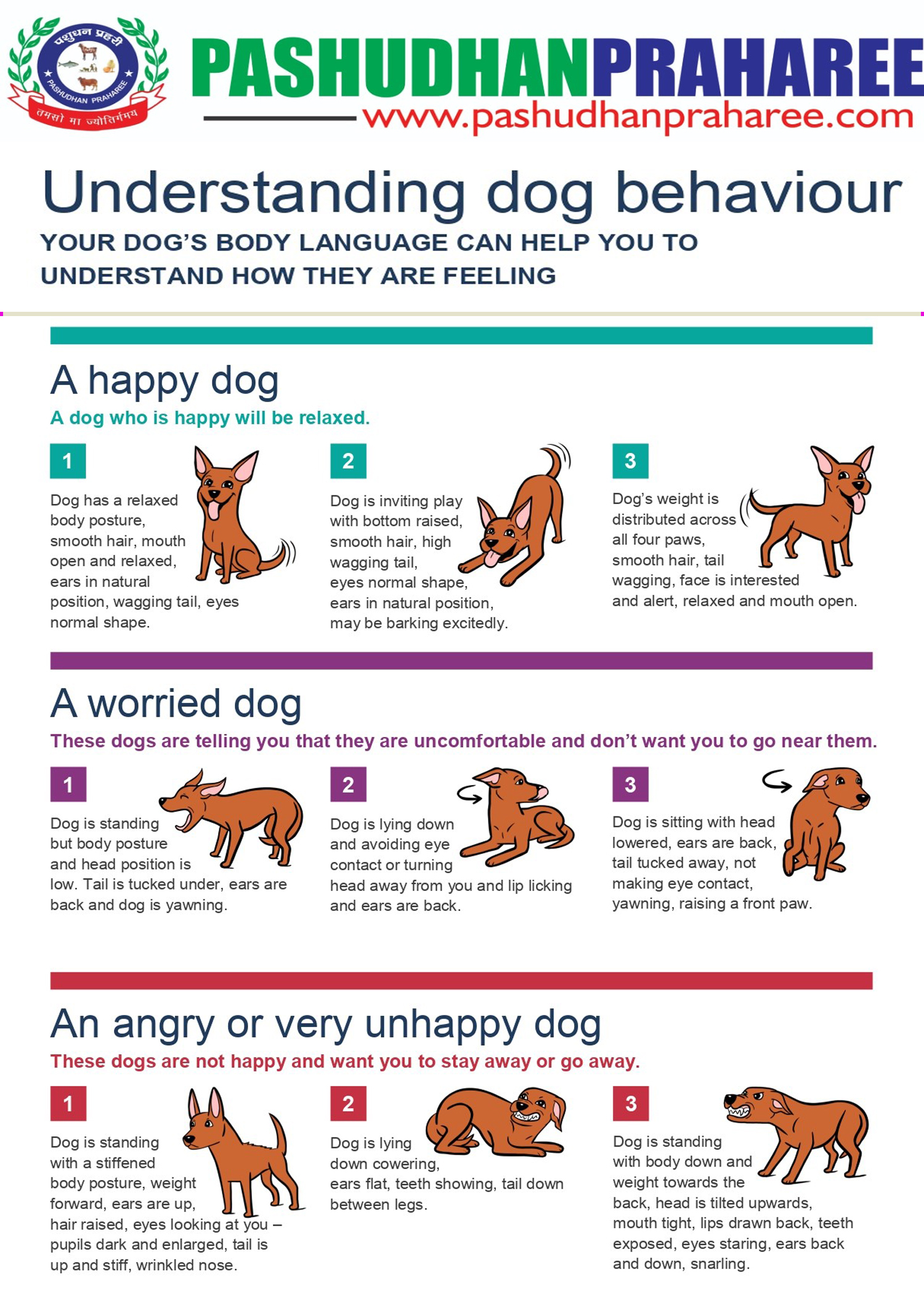
Navigating the emotional and psychological well-being of a canine companion requires patience, observation, and an understanding of how dogs experience the world. According to the American Society for Prevention of Cruelty to Animals (ASPCA), behavioral issues are among the primary reasons owners seek professional guidance or, tragically, relinquish pets to shelters. Recognizing that a dog’s actions are often communication rather than disobedience is the first step toward fostering a harmonious household. Observing routine body language helps distinguish between normal exploratory habits and deeper psychological distress.
💡 Pet Care Key Takeaways:
- Core Focus: Practical health, nutrition, and wellness guidelines for Dog Behavior Disorders.
- Target Scope: Pet owners, animal caregivers, and veterinary support staff.
- Best Recommendation: Maintain consistent daily routines and consult an accredited veterinarian before introducing major diet or medical changes.
Defining Clinical Canine Behavioral Pathology
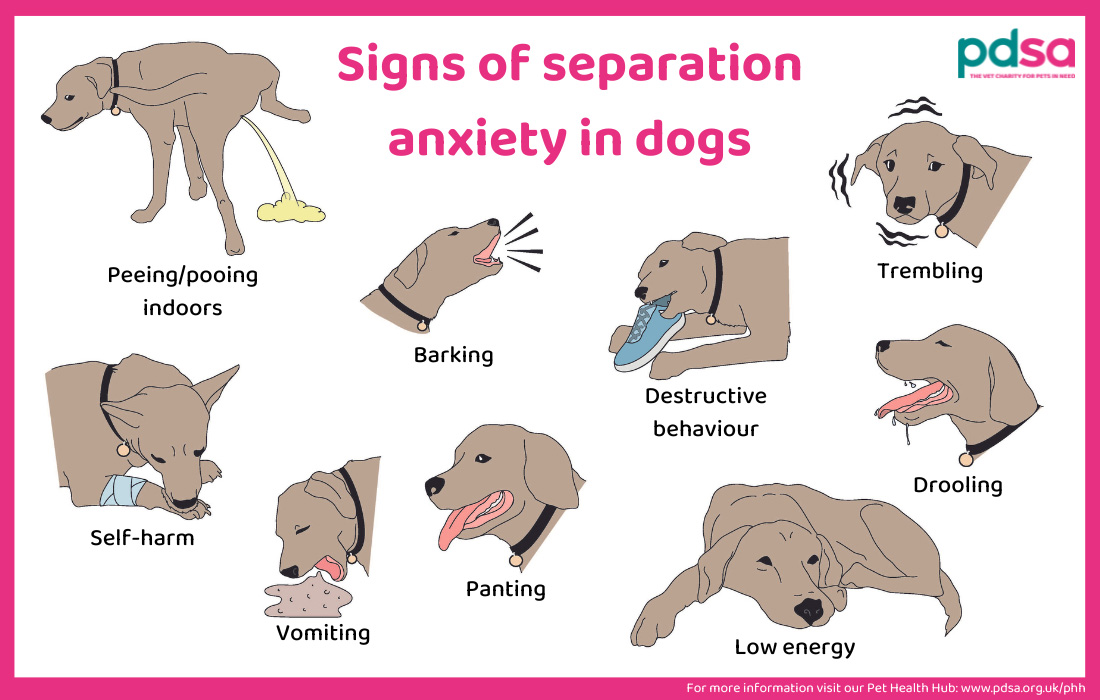
Dog behavior disorders encompass a range of abnormal, excessive, or maladaptive actions that significantly impair normal functioning, create persistent distress, or pose safety risks. Unlike typical training gaps—such as forgetting a sit command—clinical psychological issues stem from underlying anxiety, neurological factors, chronic stress, or genetic predispositions. Examples include severe separation distress, compulsive spinning or tail-chasing, noise phobias, and redirected aggression. These conditions disrupt the animal’s ability to cope with ordinary environmental stimuli, requiring structured interventions beyond basic obedience training. For more related activities, check out our Puppy Overtiredness Vet Definition.
The Far-Reaching Impact on Domestic Harmony and Physiology
Unaddressed psychological abnormalities create chronic stress that impacts both the emotional stability of the household and the physical health of the animal. Prolonged cortisol elevations resulting from continuous fear or panic can weaken immune function, cause gastrointestinal distress, and lead to self-inflicted injuries like lick granulomas from obsessive paw chewing. When an animal lives in a constant state of hypervigilance, everyday interactions become stressful for both human and canine family members, straining the human-animal bond.
Behavioral problems in companion animals are frequently rooted in unmet social, mental, or physical needs, coupled with environmental stressors. — American Veterinary Medical Association
Evidence-Informed Strategies for Managing Psychological Distress
Addressing canine psychological conditions relies heavily on positive reinforcement, systematic desensitization, and counter-conditioning. Desensitization involves exposing the dog to a trigger at a low enough intensity that it does not elicit fear or panic, while counter-conditioning pairs that previously scary trigger with high-value rewards to alter the emotional response. Creating predictable daily routines and ensuring adequate mental enrichment through puzzle feeders or scent games help lower baseline anxiety levels significantly.
Avoiding Common Pitfalls in Behavioral Modification
Punishment, intimidation, and dominance-based techniques frequently exacerbate fear and anxiety, often increasing the frequency and intensity of defensive reactions. When attempting to modify complex actions, consistency and patience remain paramount; rushing progress or forcing an overwhelmed animal to confront fears too quickly frequently causes setbacks. Owners should also avoid assuming an animal will simply outgrow chronic panic or compulsive habits without targeted environmental adjustments or professional support.
The use of aversive training methods that rely on pain or fear can increase stress-related behaviors and compromise animal welfare. — American Veterinary Society of Animal Behavior
Pet Care & Wellness Overview Table
| Life Stage | Daily Activity Level | Key Nutrition / Care Focus |
|---|---|---|
| Puppy / Kitten | High (frequent short bursts) | High-protein growth diet & early socialization |
| Adult Companion | Moderate (30–60 mins daily) | Balanced maintenance nutrition & dental hygiene |
| Senior Pets | Low to Gentle (mindful walks) | Joint support (Glucosamine) & routine vet checks |
Images References






Individual Factors: Breed, Age, and Developmental Background
Vulnerability to specific psychological challenges often intersects with breed heritage, early socialization windows, and individual temperament. Herding breeds, for instance, may develop compulsive spinning or fence-running when under-stimulated, as their genetic predisposition for intense focus lacks an appropriate outlet. Similarly, dogs lacking proper early exposure to novel sounds, surfaces, and human handling during puppyhood often exhibit heightened reactivity or generalized fear as adults.
When to Consult a Veterinarian or Certified Behavior Professional
Professional guidance is essential when actions pose physical risks, impair daily life, or fail to improve with basic environmental management. Because many psychological abnormalities share symptoms with underlying physical ailments—such as neurological pain causing sudden irritability—a comprehensive veterinary medical evaluation should always precede behavior modification programs. For specialized care, consulting a board-certified veterinary behaviorist or a certified professional dog trainer utilizing humane methods ensures the implementation of safe, evidence-based treatment plans.
Building a Supportive Environment for Lasting Wellness
Promoting long-term emotional health involves a holistic commitment to environmental enrichment, clear communication, and compassionate care tailored to the individual animal. Exploring resources on Dog Behavior and Dog Training can deepen understanding of humane management techniques. Furthermore, maintaining proper physical wellness through insights found in Dog Health and supporting optimal development via Dog Care ensures every aspect of the companion animal’s life is balanced. Visit PetsAnimalsWorld.com for more guidance on nurturing a happy, healthy relationship with a canine companion.


