Understanding Biliary Health and Gallstones in Domestic Canines
Managing complex hepatobiliary conditions requires a clear understanding of canine internal medicine, particularly when investigating potential treatments like gallstones in dogs home remedies. According to the American Veterinary Medical Association, liver and gallbladder disorders in companion animals demand precise diagnostic evaluation rather than generalized assumptions. Canines frequently mask discomfort until internal organ systems experience significant stress or inflammation.
💡 Pet Care Key Takeaways:
- Core Focus: Practical health, nutrition, and wellness guidelines for Gallstones In Dogs Home Remedies.
- Target Scope: Pet owners, animal caregivers, and veterinary support staff.
- Best Recommendation: Maintain consistent daily routines and consult an accredited veterinarian before introducing major diet or medical changes.
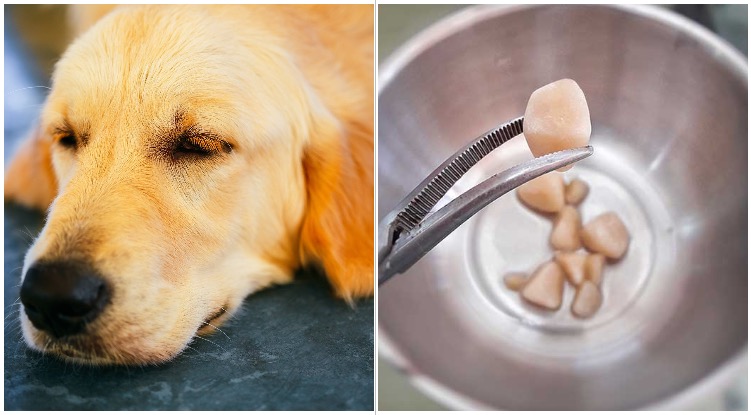
Biliary calculi, commonly known as gallstones, are hardened mineral deposits that form inside the gallbladder or the bile ducts. These concretions develop when bile contains an excessive amount of cholesterol, bilirubin, or calcium salts, or when the gallbladder fails to empty efficiently. While human medicine often explores various non-invasive dissolutions, canine physiology responds differently to dietary shifts and herbal interventions, making unverified self-treatments hazardous. For more related activities, check out our Sick Pug At Veterinarian.
Defining Cholelithiasis and the Limits of Natural Interventions
Cholelithiasis refers specifically to the presence of gallstones within the biliary system, a condition that cannot be safely managed through kitchen preparations or unprescribed botanical extracts. When pet owners search for gallstones in dogs home remedies, the underlying desire centers on alleviating canine suffering without invasive procedures. However, the anatomical structure of the canine biliary tree differs significantly from human physiology, meaning home treatments lack scientific validation.
Attempting to dissolve mineralized deposits using household oils, apple cider vinegar, or specialized teas carries substantial medical risks. If a stone dislodges and causes a complete obstruction of the common bile duct, the resulting backup of bile leads to a medical emergency known as biliary stasis or rupture. Veterinary professionals emphasize that true choleliths in canines are frequently composed of calcium bilirubinate rather than cholesterol, rendering common dietary dissolution methods ineffective.
Physiological Impact and Clinical Manifestations
Gallstones can severely disrupt normal digestive processes by blocking the flow of bile necessary for fat emulsification and nutrient absorption. Canines experiencing biliary tract irritation may display intermittent lethargy, decreased appetite, and subtle abdominal discomfort that owners mistake for ordinary digestive upset. As inflammation progresses, systemic signs such as jaundice, characterized by yellowing of the skin and sclera, become apparent.
Cholecystitis and associated biliary obstructions require comprehensive diagnostic imaging, such as abdominal ultrasonography, to determine the exact composition and location of mineral deposits. — American Veterinary Medical Association
Without proper veterinary oversight, chronic inflammation of the gallbladder wall, known as cholecystitis, can lead to necrosis or bacterial infections. Canines often show resilience by shifting their posture or modifying their movement to guard a tender abdomen. Recognizing these behavioral changes early helps prevent acute complications that require emergency surgical intervention.
Safe Dietary Management and Supportive Care Strategies
Supporting canine hepatobiliary health safely involves working alongside a veterinarian to implement structured nutritional adjustments rather than relying on unverified remedies. Low-fat diets formulated for gastrointestinal support help minimize the workload on the gallbladder by reducing the physiological trigger for bile release. Maintaining optimal hydration is equally crucial to support the viscosity of bodily fluids and prevent concentration within the biliary tree.
Best Practices and Pitfalls to Avoid in Canine Care
Safeguarding a dog with diagnosed or suspected gallbladder sludge requires avoiding sudden diet changes, high-fat table scraps, and unprescribed supplements. Many well-meaning caregivers administer human herbal cleanses or high-dose fat-soluble vitamins, which can dangerously burden an already compromised liver and gallbladder. Nutritional supplements like S-adenosylmethionine (SAMe) or milk thistle extract must only be administered under explicit veterinary direction, as purity and appropriate concentrations vary widely.
Therapeutic management of hepatobiliary diseases focuses on controlling inflammation, supporting cellular repair, and ensuring steady bile flow through clinically validated veterinary diets. — American Animal Hospital Association
Pet Care & Wellness Overview Table
| Life Stage | Daily Activity Level | Key Nutrition / Care Focus |
|---|---|---|
| Puppy / Kitten | High (frequent short bursts) | High-protein growth diet & early socialization |
| Adult Companion | Moderate (30–60 mins daily) | Balanced maintenance nutrition & dental hygiene |
| Senior Pets | Low to Gentle (mindful walks) | Joint support (Glucosamine) & routine vet checks |
Images References




Monitoring daily water consumption, noting changes in stool color, and tracking appetite fluctuations provide vital data for the veterinary team. Establishing a consistent feeding routine prevents prolonged fasting periods, which can contribute to gallbladder stasis in susceptible individuals. Observing these practical parameters ensures that supportive care aligns with safe clinical standards.
Breed Predispositions and Biological Risk Factors
Certain canine lineages demonstrate a higher genetic predisposition toward developing gallbladder mucocele formation, biliary sludge, and subsequent stone development. Miniature Schnauzers, Cocker Spaniels, and Poodles appear in clinical literature more frequently regarding hepatobiliary abnormalities, often linked to underlying lipid metabolism disorders. Age also plays a role, as middle-aged to older dogs experience slower metabolic clearance and higher rates of endocrine imbalances.
Metabolic conditions such as hypothyroidism and hyperadrenocorticism frequently alter circulating lipid profiles, increasing the likelihood of mineral precipitation within the bile. Recognizing these breed and health correlations allows caregivers to schedule routine wellness screenings, including blood chemistry panels and abdominal imaging. Early detection catches biliary sludge before mineral crystallization hardens into obstructive stones.
When to Seek Professional Veterinary Intervention
Immediate veterinary evaluation is mandatory if a dog displays persistent vomiting, fever, severe abdominal guarding, pale mucous membranes, or sudden yellowing of the skin and eyes. Attempting home management during an acute gallbladder crisis or suspected duct rupture can lead to fatal systemic complications, including peritonitis and sepsis. Veterinary clinics utilize advanced diagnostics, prescription choleretics, and surgical options like cholecystectomy to resolve severe obstructions safely.
Partnership with a licensed veterinary professional remains the cornerstone of effective management for any hepatobiliary disorder. Exploring detailed resources on Dog Health and understanding proper canine nutrition through Dog Nutrition helps pet owners make informed, safe decisions. For foundational guidance on keeping companions comfortable, reviewing topics under Dog Care ensures a comprehensive approach to lifelong wellness, while insights into Dog Behavior assist in spotting subtle signs of physical distress.
Supporting Canine Wellness Through Informed Decisions
Navigating complex health conditions requires prioritizing established veterinary science over unverified internet suggestions to ensure a long, healthy life for canine companions. Responsible stewardship involves balancing attentive daily observation with professional medical guidance, especially when internal organs like the liver and gallbladder are affected. Visit PetsAnimalsWorld.com for continuous education on canine wellness, preventative care, and informed pet ownership.