

Understanding the Unique Needs of the Mexican Hairless Dog
Delving into xoloitzcuintli dog care requires a specialized approach tailored to one of the world’s most ancient and distinctive canine companions. Often recognized by its formal designation as the Xoloitzcuintli, this breed exists in both hairless and coated varieties, each presenting unique maintenance requirements for dedicated owners. According to the American Kennel Club, this native Mexican breed is prized for its loyalty, intelligence, and calm demeanor, yet these traits must be balanced with attentive daily management. Recognizing that canine wellness extends far beyond standard feeding routines helps establish a strong foundation for a thriving, healthy companion within a domestic household.
💡 Pet Care Key Takeaways:
- Core Focus: Practical health, nutrition, and wellness guidelines for Xoloitzcuintli Dog Care.
- Target Scope: Pet owners, animal caregivers, and veterinary support staff.
- Best Recommendation: Maintain consistent daily routines and consult an accredited veterinarian before introducing major diet or medical changes.
Defining Specialized Xoloitzcuintli Maintenance Practices
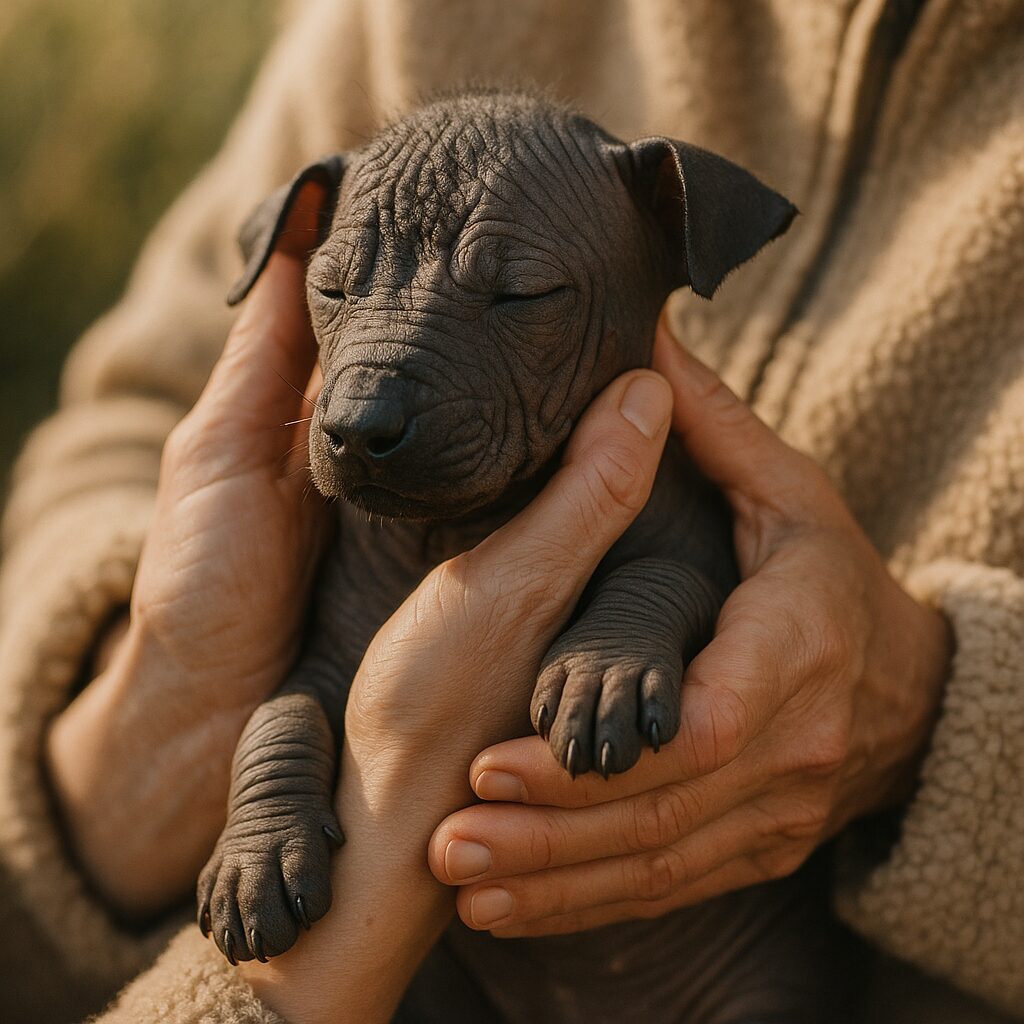
Comprehensive xoloitzcuintli dog care encompasses dermatological protection, targeted nutrition, and environmental adaptation to safeguard a unique physiological makeup. Because the hairless variety lacks a protective coat, the skin requires proactive shielding against environmental hazards such as intense ultraviolet rays and physical abrasions. Routine skincare routines involve gentle cleansing to remove excess sebum, followed by appropriate moisturization when recommended by veterinary professionals. Furthermore, understanding the Dog Health profile of this lineage ensures that minor skin irritations or sensitivities are managed proactively before developing into complex veterinary concerns.
Managing Environmental and Dermatological Impacts
Protecting the sensitive integumentary system—the body’s external covering, including skin—forms a cornerstone of daily maintenance for hairless canines. Exposure to direct sunlight without protective barriers can lead to sunburn and long-term dermatological complications, necessitating safe canine sunscreen application or protective clothing during peak daylight hours. Indoor environments also require careful consideration, as these lean dogs possess a higher body temperature sensation and seek out warm resting spots, occasionally risking contact with unsafe heat sources. Maintaining stable indoor temperatures and providing cozy, padded bedding helps prevent accidental thermal injuries while satisfying natural nesting instincts.
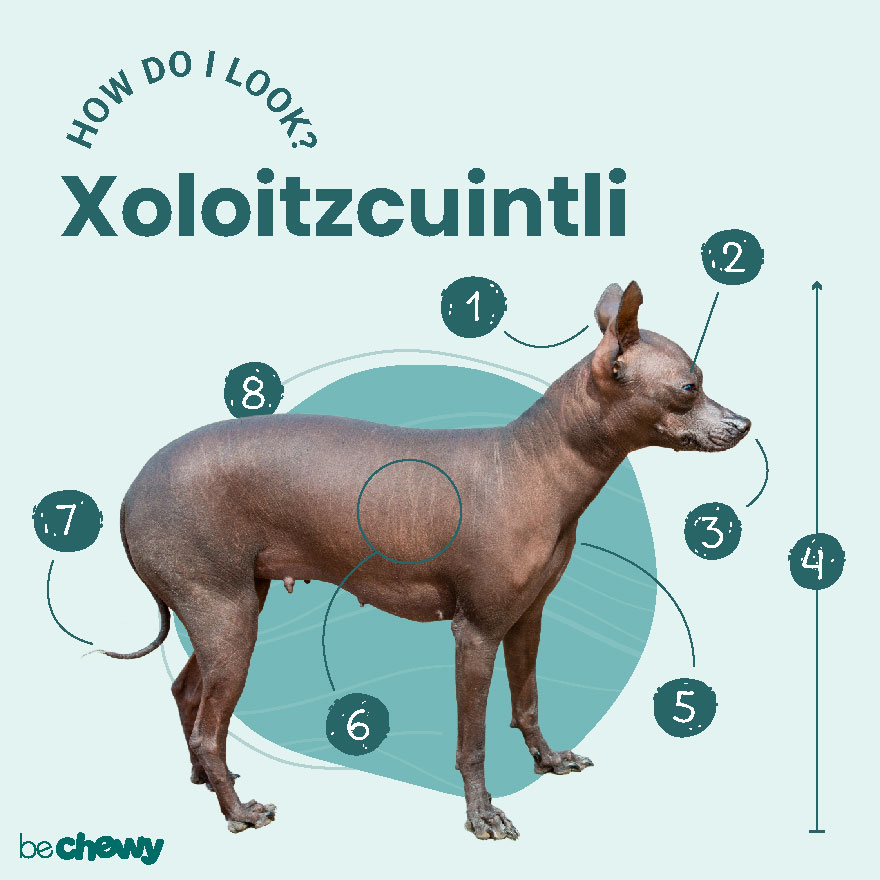
The American Kennel Club notes that the Xoloitzcuintli breed comes in three distinct size categories (toy, miniature, and standard) and two coat types, each influencing specific management strategies. — American Kennel Club
Implementing Effective Daily Management and Socialization Strategies
Successful xoloitzcuintli dog care relies heavily on consistent socialization and positive reinforcement to channel high intelligence into stable, confident behavior. Early exposure to diverse environments, novel sounds, and friendly individuals helps mitigate a natural wariness toward strangers, aligning closely with expert recommendations found in professional Dog Training guidelines. Mental stimulation proves equally vital; puzzle toys, scent games, and structured obedience sessions prevent boredom and subsequent destructive tendencies. Guardians must remain patient and observant, ensuring every learning experience reinforces mutual trust and clear communication between the handler and the animal.
Best Practices and Common Mistakes to Avoid in Daily Routines
Navigating daily maintenance requires adherence to proven strategies while actively avoiding pitfalls such as over-bathing or neglecting dental hygiene. Frequent, harsh scrubbing strips the skin of natural protective oils, whereas gentle, pH-balanced cleansing preserves the cutaneous barrier. Neglecting regular dental care represents another frequent misstep, particularly given that hairless canine lines occasionally experience congenital tooth anomalies. Incorporating tooth-brushing routines suitable for canines prevents periodontal disease and supports overall systemic wellness without causing unnecessary stress to the animal.
The American Society for Prevention of Cruelty to Animals advises that regular physical exams and proactive dental maintenance are essential components of preventive care for all companion dogs. — ASPCA
Pet Care & Wellness Overview Table
| Life Stage | Daily Activity Level | Key Nutrition / Care Focus |
|---|---|---|
| Puppy / Kitten | High (frequent short bursts) | High-protein growth diet & early socialization |
| Adult Companion | Moderate (30–60 mins daily) | Balanced maintenance nutrition & dental hygiene |
| Senior Pets | Low to Gentle (mindful walks) | Joint support (Glucosamine) & routine vet checks |
Images References




Accommodating Breed, Age, and Temperament Factors
Adapting care protocols to match individual age brackets, physical dimensions, and distinct personality traits ensures a high quality of life throughout the lifespan of the dog. Growing puppies require carefully measured nutritional profiles to support skeletal development, while senior animals benefit from joint-supporting supplements and modified exercise durations to accommodate age-related stiffness. Exploring comprehensive Dog Care principles helps owners navigate these developmental transitions smoothly. Because individual temperaments range from energetic alertness to serene independence, daily routines should always respect the specific emotional and physical boundaries of each unique companion.
When to Consult a Veterinarian or Professional Behaviorist
Professional veterinary consultation remains imperative whenever persistent skin lesions, unexplained lethargy, sudden behavioral shifts, or signs of acute discomfort arise. For suspected poisoning, severe respiratory distress, uncontrollable bleeding, or sudden collapse, immediate veterinary intervention is required without delay. Similarly, persistent fear, anxiety, or defensive aggression warrants evaluation by a qualified veterinary behaviorist or certified professional trainer utilizing humane, science-based methods rather than punitive correction. Establishing a collaborative partnership with qualified veterinary and behavioral experts ensures that any emerging health or psychological concern receives accurate diagnosis and safe, effective intervention.
Closing Guidance for Dedicated Companion Guardians
Mastering the nuances of maintaining this ancient and remarkable breed deepens the bond between human and animal while safeguarding long-term vitality. By combining attentive dermatological protection, thoughtful environmental management, and positive behavioral guidance, guardians provide an enriching and secure lifestyle. Further insights into related canine topics can be explored through specialized resources on Dog Breeds, ensuring continuous education for every dedicated owner. Visit PetsAnimalsWorld.com today to discover more expert guides and practical advice for fostering a healthy, happy companion animal.


