Understanding the Role of Trazodone in Canine Behavioral Management
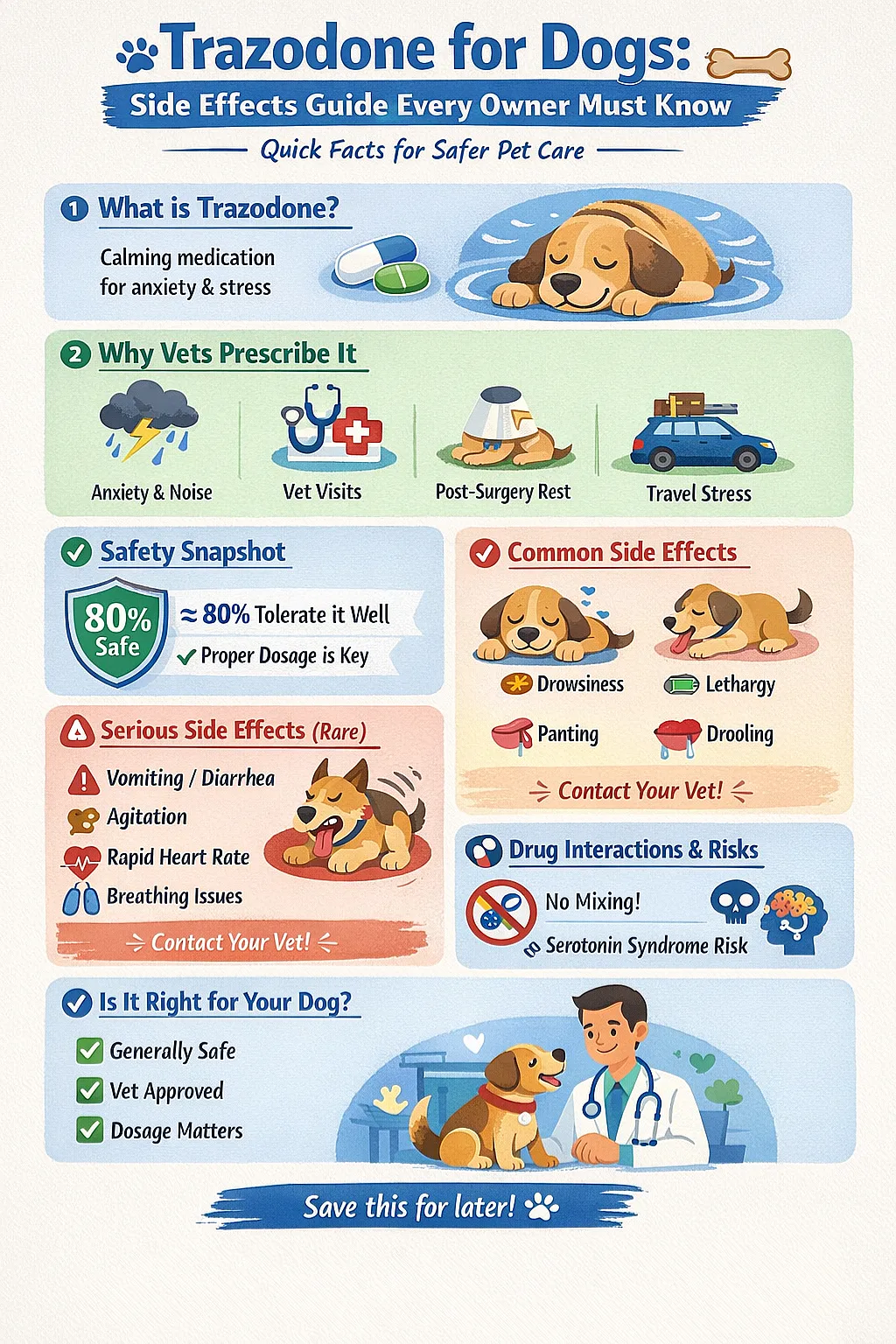
Managing anxiety and stress in domestic dogs often requires a multi-faceted approach that combines environmental modification, professional training, and, when necessary, pharmacological support. Trazodone is a commonly prescribed medication in veterinary medicine, classified as a serotonin antagonist and reuptake inhibitor. It is frequently utilized to assist dogs experiencing situational anxiety, such as during thunderstorms, fireworks, veterinary visits, or during the recovery phase following surgical procedures. According to the American Veterinary Medical Association (AVMA), pharmacological interventions should ideally be part of a comprehensive behavioral treatment plan rather than a standalone solution for complex anxiety disorders. Recognizing the nuances of dog behavior on trazodone is essential for owners who wish to support their pets safely and effectively during periods of heightened stress.
💡 Pet Care Key Takeaways:
- Core Focus: Practical health, nutrition, and wellness guidelines for Dog Behavior On Trazodone.
- Target Scope: Pet owners, animal caregivers, and veterinary support staff.
- Best Recommendation: Maintain consistent daily routines and consult an accredited veterinarian before introducing major diet or medical changes.
Defining Behavioral Changes Observed Under Trazodone
Dog behavior on trazodone is primarily characterized by a reduction in physiological and behavioral markers of anxiety, such as panting, pacing, vocalization, or attempts to escape. The medication works by altering the chemical balance in the brain, specifically targeting serotonin receptors to promote a sense of calm. In an ideal scenario, a dog receiving an appropriate dose of trazodone will appear more relaxed, less reactive to environmental triggers, and more capable of settling down in situations that would otherwise cause distress. It is important to distinguish between appropriate therapeutic sedation and excessive lethargy. While a degree of calmness is the intended outcome, owners should monitor for signs of over-sedation, such as extreme difficulty waking, persistent stumbling, or a total lack of engagement with the environment, as these may indicate that the dosage requires professional adjustment by a veterinarian.
Assessing the Impact on Daily Functioning and Well-being
The influence of trazodone on a dog’s daily routine extends beyond mere sedation, as the medication can significantly alter how a canine perceives and interacts with its surroundings. By lowering the threshold of reactivity, the medication provides a “window of opportunity” for owners and trainers to implement behavioral modification techniques, such as counter-conditioning or desensitization, which might be impossible if the dog remains in a state of high physiological arousal. However, because individual metabolic responses vary, the duration of effect and the intensity of the calming response are not uniform across all dogs. Some animals may exhibit a mild decrease in appetite or minor digestive upset, while others may show a noticeable decrease in interest in play or physical exercise. Careful observation remains the primary tool for evaluating whether the medication is providing the desired behavioral support without compromising the dog’s quality of life.
Trazodone is frequently prescribed for short-term management of anxiety triggers, such as travel, thunderstorms, or professional grooming sessions, to prevent injury and promote comfort. — American Veterinary Medical Association (AVMA)
Strategies for Managing Dogs During Medication Periods
Managing a dog while it is under the influence of trazodone requires a structured approach that prioritizes safety and consistency. Owners should maintain a quiet, predictable environment, especially when the medication is at its peak effect, to prevent startling or overstimulation. If the dog is being medicated for post-operative confinement, movement should be restricted to prevent injury, as the dog may feel less physically coordinated than usual. When training is the goal, owners should utilize the period of reduced anxiety to engage in low-stress, confidence-building activities. It is vital to remember that medication does not “cure” behavioral issues; it merely provides a temporary physiological buffer. Therefore, the focus should always remain on gradual, positive reinforcement-based Dog Training to address the root causes of the anxiety.
Best Practices for Monitoring and Safety
Consistency in administration and documentation is the hallmark of responsible care. Keeping a log of when the medication is administered, the dosage provided, and the specific behavioral observations noted afterward can provide a veterinarian with invaluable data during follow-up appointments. Avoid the common mistake of assuming that a dose which worked for one dog will be appropriate for another; individual physiology, age, and existing health conditions dictate the correct approach. Furthermore, never combine trazodone with other supplements or medications without explicit veterinary clearance, as certain combinations can lead to dangerous interactions, such as serotonin syndrome. Owners should also ensure that the dog has access to fresh water and a comfortable, safe space where it can rest without being disturbed by other pets or household activity.
Signs of serotonin syndrome, a potential risk when combining serotonergic medications, include tremors, rapid heart rate, overheating, and dilated pupils, requiring immediate emergency care. — American Society for the Prevention of Cruelty to Animals (ASPCA)
Pet Care & Wellness Overview Table
| Life Stage | Daily Activity Level | Key Nutrition / Care Focus |
|---|---|---|
| Puppy / Kitten | High (frequent short bursts) | High-protein growth diet & early socialization |
| Adult Companion | Moderate (30–60 mins daily) | Balanced maintenance nutrition & dental hygiene |
| Senior Pets | Low to Gentle (mindful walks) | Joint support (Glucosamine) & routine vet checks |
Images References




Considerations Regarding Age, Breed, and Health Status
The response to trazodone can be influenced by a dog’s physical characteristics, including its age and underlying health status. Senior dogs or those with pre-existing hepatic or renal issues may metabolize the medication more slowly, potentially leading to prolonged sedation. Similarly, brachycephalic (short-nosed) Dog Breeds require heightened vigilance, as any medication affecting respiratory rate or muscle tone must be managed with extreme caution to ensure the animal remains comfortable and oxygenated. Always disclose the full medical history to a veterinarian, including any supplements or over-the-counter products being used, to ensure the medication plan is tailored to the individual. Understanding that a puppy’s developing system may react differently than an adult dog’s system is also crucial for maintaining safety and effective behavioral outcomes.
Professional Guidance and Clinical Consultation
Consulting a veterinarian is the only appropriate step if the current behavioral management plan is not yielding the expected results or if unexpected side effects emerge. Behavioral health is a clinical matter, and persistent anxiety or aggression should be evaluated by a professional who can rule out underlying medical causes. For complex cases involving severe reactivity or phobias, seeking the expertise of a veterinary behaviorist can provide a more nuanced approach than general practice alone. Never attempt to adjust dosages or cease medication abruptly without veterinary guidance, as this can lead to withdrawal effects or a resurgence of the original behavioral concerns. Prioritizing open communication with the veterinary team ensures that the dog’s Dog Health remains the top priority throughout the treatment process.
Resources for Ongoing Behavioral Support
Supporting a dog through anxiety is a journey that requires patience, observation, and professional partnership. By utilizing trazodone as a supportive tool within a broader framework of humane Dog Behavior modification, owners can significantly improve their pet’s ability to cope with environmental challenges. For more information on managing your companion’s needs, exploring resources on Dog Care, and finding professional guidance, visit PetsAnimalsWorld.com. Maintaining a proactive and informed approach ensures the best possible outcomes for both the dog and the owner.