Understanding Biliary Health and Canine Gallstones
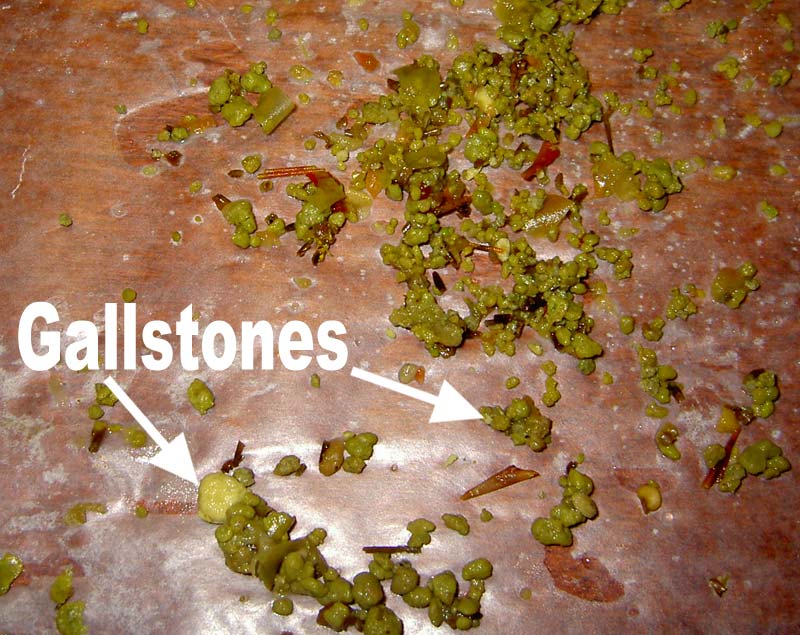
Canine wellness involves monitoring numerous internal systems, and biliary health plays a crucial role in digestion and metabolism. Gallstones, medically termed choleliths, are solid accumulations that form inside the gallbladder or the bile ducts. According to the American Veterinary Medical Association, internal organ conditions in dogs require careful diagnostic evaluation rather than generalized assumptions. When owners observe changes in a dog’s vitality or appetite, understanding the underlying physiological mechanisms becomes essential for promoting long-term health and digestive efficiency.
💡 Pet Care Key Takeaways:
- Core Focus: Practical health, nutrition, and wellness guidelines for Is There A Natural Treatment For Gallstones In Dogs.
- Target Scope: Pet owners, animal caregivers, and veterinary support staff.
- Best Recommendation: Maintain consistent daily routines and consult an accredited veterinarian before introducing major diet or medical changes.
The gallbladder is a small, pear-shaped organ situated near the liver, tasked with storing and concentrating bile—a fluid produced by the liver that aids in digesting fats. When the chemical composition of bile becomes unbalanced, excess cholesterol, calcium, or pigments can precipitate out of the solution, gradually forming tiny crystals or larger stones. While some dogs remain asymptomatic for extended periods, others experience significant discomfort or dangerous obstructions. Exploring whether there is a natural treatment for gallstones in dogs requires looking closely at what veterinary science currently understands about biliary disease. For more related activities, check out our Dog Behavior On Prednisone.
Defining Natural Therapies for Biliary Obstructions
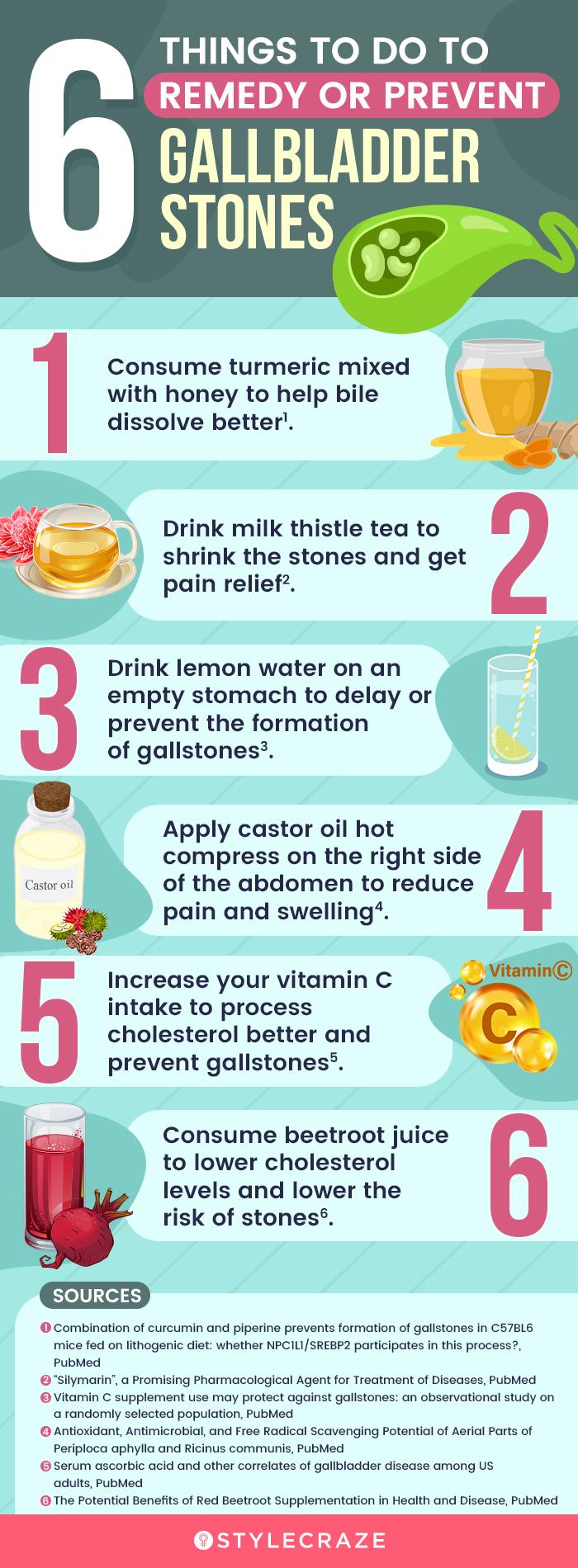
There is no established, universally effective natural remedy or dietary supplement capable of dissolving or eliminating established gallstones in dogs. In human medicine, certain oral dissolution therapies exist for specific types of cholesterol stones, but canine choleliths frequently consist of different chemical compositions, including calcium carbonate and pigment components. Consequently, home remedies, herbal extracts, and unregulated supplements cannot be relied upon to safely eliminate these mineral masses once they have formed within the biliary tract.
Dog owners frequently encounter online recommendations promoting specific oils, herbs, or cleansing tonics marketed for liver and gallbladder health. However, introducing unregulated substances can carry unintended risks, potentially stimulating gallbladder contractions against an obstructed duct. When a biliary duct becomes blocked, the resulting pressure can lead to severe inflammation, rupture, or life-threatening systemic complications. Professional veterinary oversight remains indispensable when managing complex internal organ disorders to ensure safety and prevent accidental harm.
Physiological Impacts and Clinical Symptoms
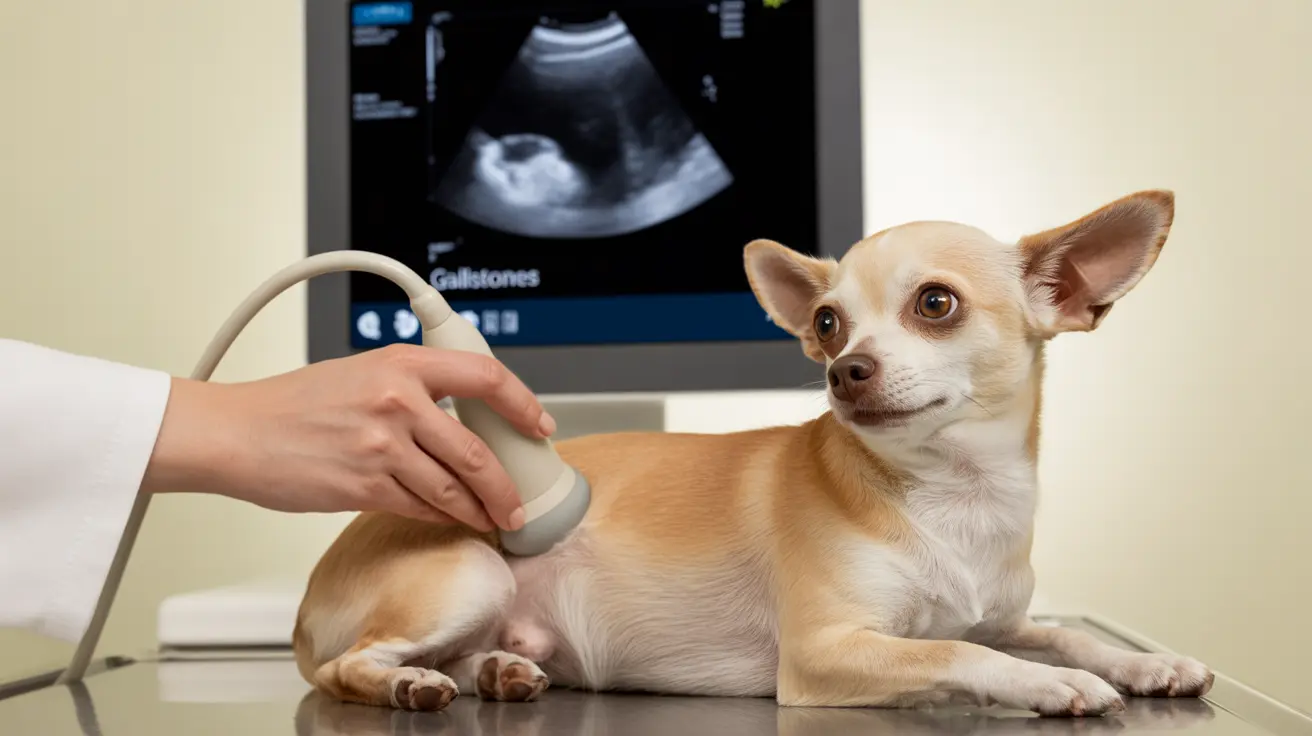
The presence of gallstones can trigger varying degrees of clinical illness, depending on whether the stones cause physical irritation or obstruct the flow of bile. Common indicators of biliary tract disease include intermittent vomiting, lethargy, a reluctance to eat, and a distinct yellowish discoloration of the skin, gums, or whites of the eyes, known as jaundice. These warning signs frequently overlap with other hepatic conditions, making professional diagnostic imaging, such as abdominal ultrasound and blood chemistry panels, necessary for an accurate assessment.
Abdominal ultrasound imaging remains the primary diagnostic modality for identifying choleliths and evaluating the thickness and structural integrity of the canine gallbladder wall. — American Veterinary Medical Association
Beyond physical discomfort, chronic gallbladder inflammation, or cholecystitis, can predispose a dog to bacterial infections within the biliary tree. Without appropriate medical intervention, stagnant bile and persistent irritation may progress to necrosis or rupture of the gallbladder wall, releasing toxic bile into the sterile abdominal cavity. Recognizing these severe risks highlights why relying solely on unverified alternative protocols can jeopardize a canine companion’s safety and well-being.
Managing Canine Gallbladder Health Safely
Managing biliary conditions safely involves working in close partnership with a licensed veterinarian to establish a tailored therapeutic plan. When gallstones are discovered incidentally during routine diagnostic imaging and cause no clinical symptoms, veterinary professionals may recommend a strategy of careful monitoring through regular recheck examinations and bloodwork. Conversely, symptomatic dogs typically require targeted medical management, which may include supportive fluid therapy, specific prescription diets designed to minimize fat content, and medications to support liver function.
Best Practices and Pitfalls to Avoid in Biliary Care
Navigating canine health concerns requires strict adherence to evidence-based protocols and a cautious approach to unverified home treatments. One critical mistake to avoid is administering human over-the-counter medications, herbal flushes, or high-dose fat supplements without explicit veterinary guidance. Introducing high-fat foods or unregulated oils can stimulate forceful gallbladder contractions, which poses a severe risk if a stone is lodged in the bile duct.
Prescription low-fat diets are frequently utilized by veterinary professionals to reduce the workload on the biliary system and help manage chronic inflammatory conditions of the liver and gallbladder. — American Animal Hospital Association
Pet Care & Wellness Overview Table
| Life Stage | Daily Activity Level | Key Nutrition / Care Focus |
|---|---|---|
| Puppy / Kitten | High (frequent short bursts) | High-protein growth diet & early socialization |
| Adult Companion | Moderate (30–60 mins daily) | Balanced maintenance nutrition & dental hygiene |
| Senior Pets | Low to Gentle (mindful walks) | Joint support (Glucosamine) & routine vet checks |
Images References
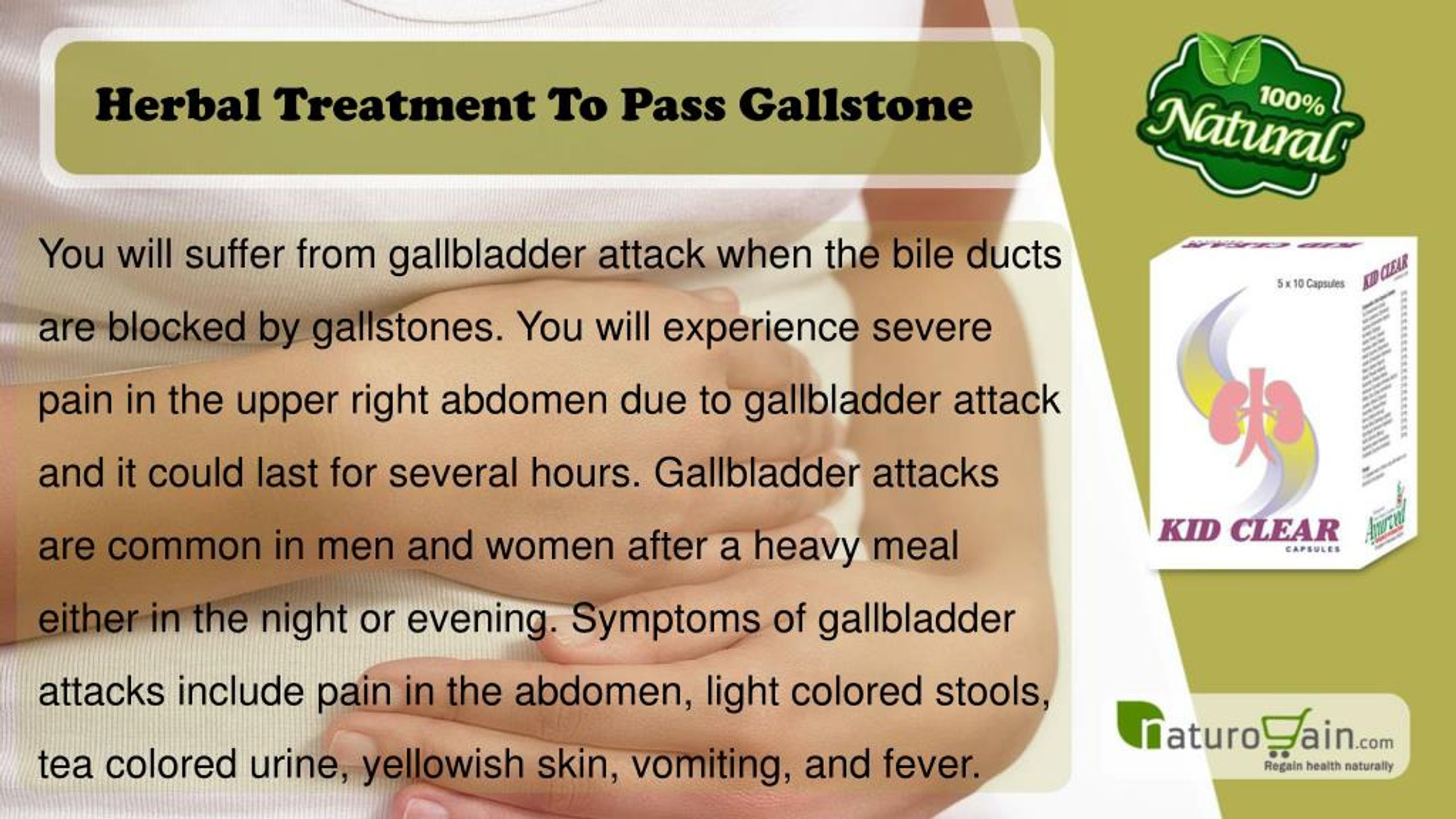





Establishing a safe care routine involves maintaining consistent feeding schedules, offering clean hydration at all times, and monitoring the dog closely for any subtle shifts in behavior or appetite. Owners should maintain open communication with their veterinary team, ensuring that any dietary adjustments align with the specific medical needs and nutritional requirements of the individual animal.
Breed Predispositions and Individual Risk Factors
Certain canine breeds exhibit a higher genetic predisposition toward developing gallbladder mucoceles, sediment accumulation, and subsequent cholelithiasis. Miniature Schnauzers, Shetland Sheepdogs, and Cocker Spaniels are among the breeds frequently documented as having an increased susceptibility to primary lipid metabolism disorders and biliary sludge. Age and metabolic conditions, such as hyperlipidemia, hypothyroidism, or Cushing’s disease, can also significantly influence how cholesterol and bile acids are processed within the body.
Understanding these breed-specific and metabolic risk factors allows veterinarians and dedicated owners to implement proactive wellness strategies tailored to vulnerable animals. Routine senior wellness screenings, including comprehensive blood panels and periodic abdominal imaging, can help detect early changes in bile composition before solid stones or dangerous obstructions develop. Emphasizing early detection supports more effective management options and protects overall vitality.
When to Consult a Veterinary Professional Immediately
Prompt veterinary intervention is critical whenever a dog displays acute signs of abdominal pain, persistent vomiting, high fever, or sudden jaundice. Conditions involving the biliary system can deteriorate rapidly if an obstruction becomes complete, turning a manageable chronic issue into a surgical emergency. Professional clinical diagnosis ensures that dogs receive precise care tailored to their exact physiological status, avoiding the dangers of delayed treatment.
Exploring Dog Health and Dog Nutrition resources can help owners better understand how internal organ systems function and how proper dietary management supports lifelong wellness. While natural approaches often appeal to wellness-minded pet parents, complex internal conditions like gallstones require the rigorous safety standards of veterinary medicine. Visit PetsAnimalsWorld.com for more educational guides on responsible pet care and canine wellness.