Understanding the Importance of Managing Puppy Biting
Puppy biting, often referred to as mouthing, is a natural behavior that serves as a primary way for young dogs to explore their environment and interact with others. While this behavior is developmentally normal in the early months of a dog’s life, it can become problematic if not managed correctly. According to the American Society for the Prevention of Cruelty to Animals (ASPCA), puppies explore the world through their mouths, and play-biting is a way for them to learn about their physical impact on others. Addressing this behavior early is essential for fostering positive social interactions and preventing the development of unwanted habits as the animal matures. Learning effective, humane methods to redirect this energy is a cornerstone of responsible dog training.
💡 Pet Care Key Takeaways:
- Core Focus: Practical health, nutrition, and wellness guidelines for Kikopup Stop Biting.
- Target Scope: Pet owners, animal caregivers, and veterinary support staff.
- Best Recommendation: Maintain consistent daily routines and consult an accredited veterinarian before introducing major diet or medical changes.
Defining the Kikopup Approach to Reducing Biting
The “Kikopup” method, popularized by professional trainer Emily Larlham, centers on positive reinforcement and the concept of teaching a dog what to do instead of focusing solely on what not to do. When applied to stopping biting, this philosophy emphasizes redirecting the puppy’s attention toward appropriate items, such as chew toys or puzzle feeders, rather than hands or clothing. By rewarding the dog for choosing an acceptable object, the trainer reinforces the desired behavior. This method avoids punitive measures, which can inadvertently increase anxiety or cause the dog to become more defensive, and instead builds a foundation of trust and clear communication between the pet and the owner.
The Behavioral and Developmental Context of Mouthing
Mouthing is intrinsically linked to a puppy’s need to soothe teething discomfort and satisfy a natural drive to investigate texture and movement. When a puppy bites, it is rarely an act of aggression; rather, it is a manifestation of curiosity or overstimulation. Providing appropriate outlets for these drives is necessary to ensure the dog’s physical and mental well-being. Failure to provide suitable alternatives can lead to destructive behavior or injury to household members. Understanding the developmental stages of a puppy, specifically the teething phase, helps owners maintain patience while implementing consistent, evidence-based guidance to curb unwanted mouthing habits effectively.
Puppies typically begin teething around 3 to 4 weeks of age, with permanent teeth usually replacing baby teeth by 6 to 7 months. — American Kennel Club
Practical Strategies for Redirecting Biting Behavior
Addressing biting requires a consistent strategy of interruption and redirection. When a puppy initiates mouthing on human skin, the most effective response is to immediately offer a suitable toy. This action provides the puppy with an appropriate outlet for its oral fixation while teaching the distinction between acceptable and unacceptable targets. If the puppy continues to engage with human skin despite the redirection, removing one’s attention—such as standing up and turning away—serves as a non-punitive signal that the interaction will stop if the biting continues. Consistency across all household members is vital, as mixed signals can confuse the puppy and hinder the learning process.
Best Practices and Common Pitfalls to Avoid
A common mistake in managing puppy biting is the use of physical corrections or punishment, which can damage the human-animal bond and potentially lead to fear-based aggression. Instead, focus on creating an environment that encourages calm behavior. Incorporating short, frequent training sessions can help the puppy learn impulse control, which is essential for managing excitement levels that often trigger biting. Always ensure that the puppy has access to a variety of safe, durable chew toys that vary in texture to keep them engaged. Never use hands or feet as toys, as this inadvertently teaches the dog that human skin is an acceptable object to bite during play.
Positive reinforcement training, which involves rewarding desired behaviors, is widely considered the most effective and humane approach for teaching dogs. — American Veterinary Medical Association
Pet Care & Wellness Overview Table
| Life Stage | Daily Activity Level | Key Nutrition / Care Focus |
|---|---|---|
| Puppy / Kitten | High (frequent short bursts) | High-protein growth diet & early socialization |
| Adult Companion | Moderate (30–60 mins daily) | Balanced maintenance nutrition & dental hygiene |
| Senior Pets | Low to Gentle (mindful walks) | Joint support (Glucosamine) & routine vet checks |
Images References




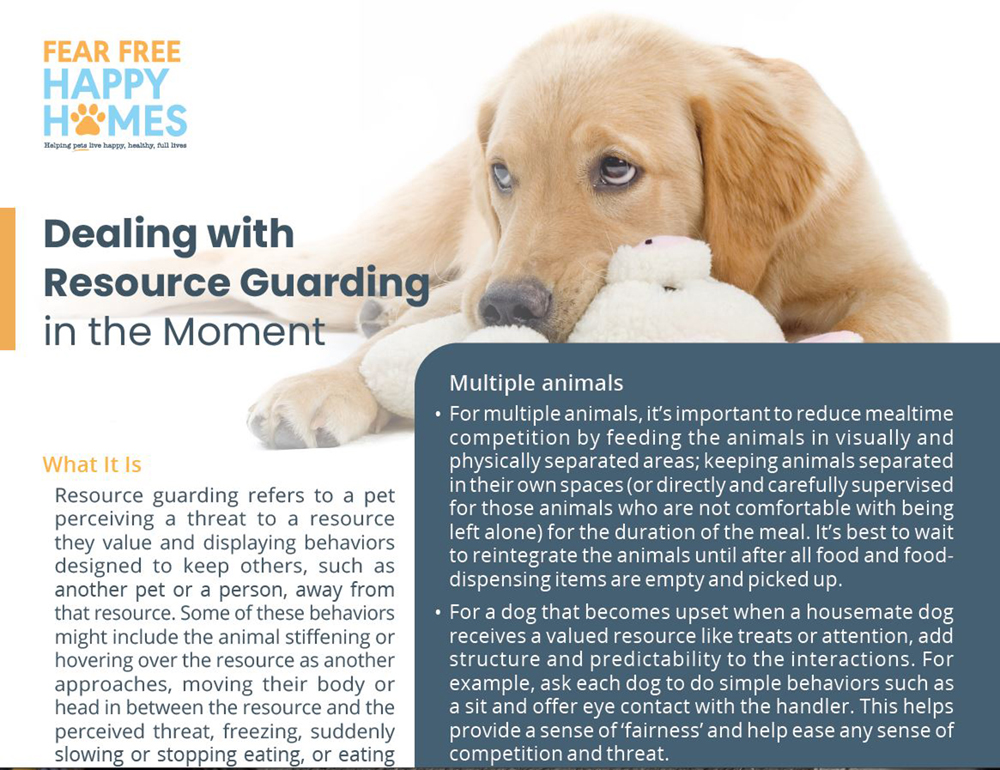




Considering Individual Factors in Training
Factors such as breed, age, and individual temperament significantly influence how a puppy learns to control its mouthing. High-energy working breeds may require more frequent redirection and mental stimulation to manage their drive, while younger puppies may need more rest to prevent the overstimulation that often leads to increased biting. Recognizing the signs of fatigue is crucial, as tired puppies are often more prone to “shark-like” behavior. Tailoring the approach to the specific needs of the individual dog, while maintaining a firm commitment to positive reinforcement, ensures that the dog behavior modification process remains safe and effective for all involved.
When to Seek Professional Assistance
While most mouthing is a normal developmental phase, some biting behaviors require the expertise of a professional. If a puppy’s biting appears to be driven by genuine fear, persistent aggression, or if the dog does not respond to consistent redirection after several weeks, it is advisable to consult a qualified trainer or a veterinary behaviorist. These professionals can conduct a thorough assessment to rule out underlying health issues or behavioral concerns that may require a more specialized intervention. Early intervention by a professional can prevent the escalation of behavioral problems and ensure that both the owner and the dog feel supported and safe throughout the learning process.
Resources for Continued Learning
Consistent, patient, and positive guidance remains the most reliable path to a well-adjusted dog. Owners are encouraged to explore further information on dog care and dog nutrition to ensure all aspects of the pet’s life are conducive to calm and healthy behavior. For more evidence-based tips on managing puppy development and fostering a strong bond with a canine companion, please visit PetsAnimalsWorld.com. Dedicated resources and educational articles provide the necessary tools for navigating the challenges of puppyhood with confidence and clarity.