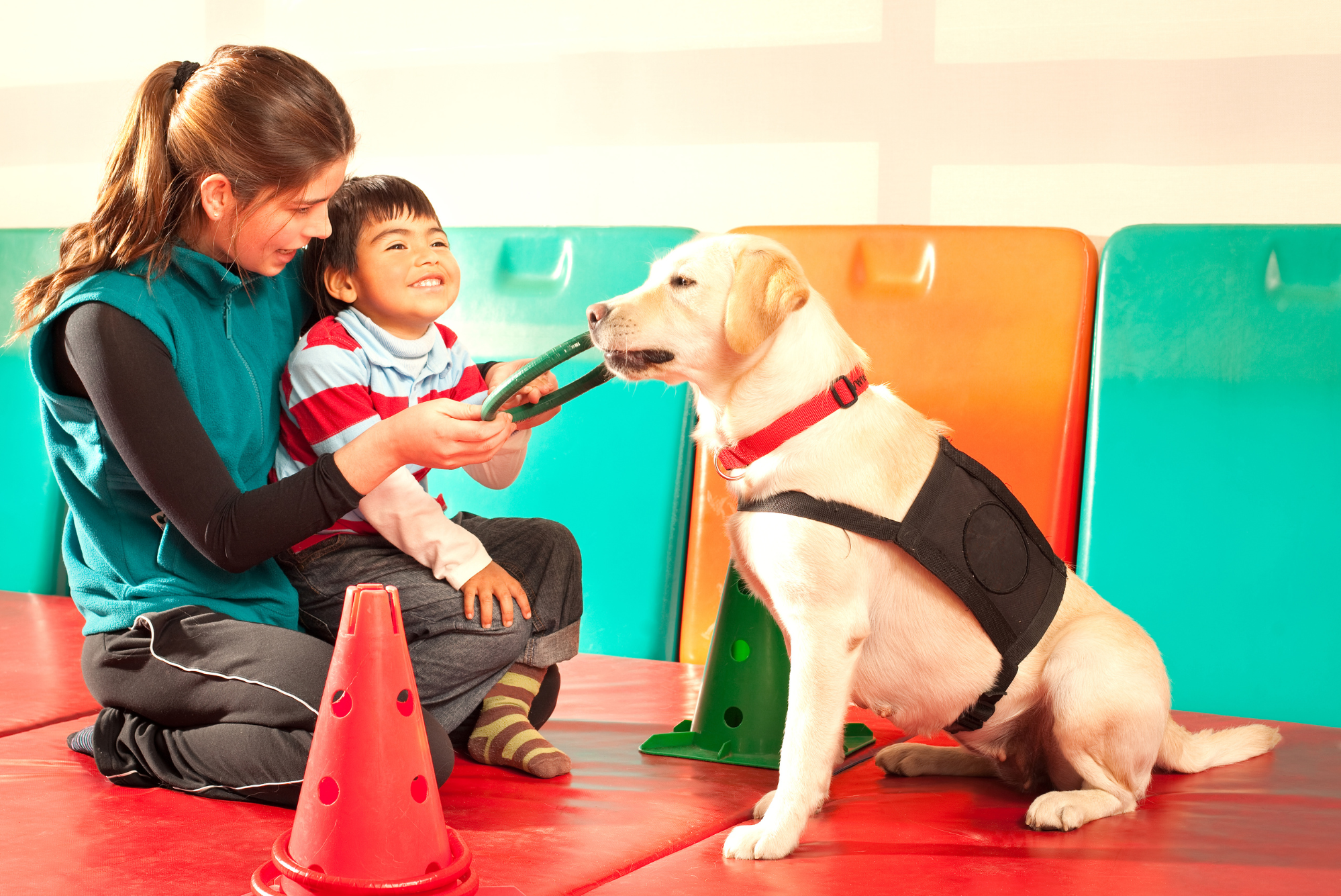
Understanding the Importance of Structured Dog Education
Education for companion canines forms the foundation of a harmonious household, ensuring that pets navigate human environments with confidence and ease. According to the ASPCA, behavioral issues remain a primary reason dogs are relinquished to shelters, making early and continuous guidance essential for lifelong compatibility. Navigating the modern world presents numerous challenges for domesticated canines, from bustling urban streets to unfamiliar visitors inside the home. Enrolling in dog behavior courses provides structured opportunities to bridge the communication gap between humans and their four-legged companions. By focusing on how animals perceive their surroundings, these programs help owners cultivate desirable habits while preventing misunderstandings before they escalate into persistent challenges.
💡 Pet Care Key Takeaways:
- Core Focus: Practical health, nutrition, and wellness guidelines for Dog Behavior Courses.
- Target Scope: Pet owners, animal caregivers, and veterinary support staff.
- Best Recommendation: Maintain consistent daily routines and consult an accredited veterinarian before introducing major diet or medical changes.
Defining Structured Canine Behavioral Programs
Dog behavior courses are educational curricula designed to teach fundamental obedience, socialization, and emotional regulation using humane, scientifically supported methodologies. Unlike basic obedience classes that focus exclusively on physical commands like sit and stay, comprehensive behavioral programs delve deeper into cognitive development and stress management. These courses utilize positive reinforcement, which involves rewarding desired actions with treats, praise, or play to encourage repetition. Establishing clear communication channels allows dogs to understand expectations without fear or confusion. Through progressive modules, participants learn to identify subtle signs of canine stress and adjust environmental triggers to foster a calm, receptive state of mind during daily interactions.
The Cognitive and Emotional Impact of Structured Learning
Participating in structured educational programs significantly enhances emotional resilience and mental stimulation in domestic dogs. Mental enrichment through active problem-solving and obedience practice helps reduce destructive tendencies caused by boredom or pent-up energy. When animals engage in reward-based learning, neurotransmitters such as dopamine are released, reinforcing positive associations with training sessions and handlers alike. Furthermore, exposing young animals to diverse sights, sounds, and textures during critical developmental windows decreases the likelihood of fear-based reactivity later in life. Consistent learning routines also strengthen the human-animal bond, creating mutual trust and predictable patterns that benefit the psychological well-being of both species.
Behavioral modification programs that prioritize positive reinforcement effectively reduce stress-related reactivity while fostering a secure attachment bond between pets and their human families. — American Veterinary Medical Association
Implementing Humane Training and Behavioral Strategies
Successful implementation of dog behavior courses relies on consistency, patience, and evidence-informed educational techniques. Establishing predictable routines helps animals anticipate daily events, significantly lowering baseline anxiety levels within the household environment. Modern Dog Training practices strictly avoid punitive, intimidation-based, or dominance-oriented methods, as fear and pain exacerbate aggression rather than resolve it. Instead, handlers learn to manage the environment by removing accidental rewards for unwanted actions while generously reinforcing calm, focused behavior. Breaking complex tasks into small, achievable steps ensures the animal experiences continuous success, building confidence over time.
Best Practices and Common Pitfalls in Canine Education
Maximizing the effectiveness of behavioral education requires avoiding common mistakes such as inconsistent rule enforcement or utilizing excessively long study sessions. Canines learn best through short, engaging practice intervals rather than exhausting, prolonged drills. Another frequent pitfall involves expecting immediate results without addressing the underlying emotional triggers of a specific action, such as fear or overarousal. Best practices dictate observing the animal’s body language closely, maintaining a calm demeanor, and celebrating gradual progress. Prioritizing Dog Behavior awareness ensures that household rules remain fair and comprehensible to the pet at every life stage.
Short, frequent positive reinforcement sessions yield significantly better retention and emotional stability in developing canines compared to infrequent, lengthy instructional blocks. — American Kennel Club
Pet Care & Wellness Overview Table
| Life Stage | Daily Activity Level | Key Nutrition / Care Focus |
|---|---|---|
| Puppy / Kitten | High (frequent short bursts) | High-protein growth diet & early socialization |
| Adult Companion | Moderate (30–60 mins daily) | Balanced maintenance nutrition & dental hygiene |
| Senior Pets | Low to Gentle (mindful walks) | Joint support (Glucosamine) & routine vet checks |
Images References






Age, Breed, and Temperament Considerations in Learning
Every individual animal processes information differently based on genetic predisposition, age, developmental history, and unique temperament traits. While puppyhood represents a crucial window for primary socialization, adult and senior dogs retain neuroplasticity, meaning they continue to learn effectively throughout their lives. Understanding the historical purpose of specific Dog Breeds helps owners tailor educational expectations realistically; herding groups may exhibit strong nipping tendencies, whereas guardian breeds might require extra socialization around unfamiliar guests. Tailoring the pace and complexity of instruction to match the specific physical and mental capacity of the individual prevents frustration and promotes sustainable progress.
When to Consult a Professional Veterinary Behaviorist
Severe behavioral concerns such as sudden aggression, intense separation anxiety, compulsive pacing, or persistent fear reactions necessitate immediate consultation with a qualified professional. General obedience classes are rarely sufficient for resolving deep-seated psychological distress or phobias. Owners should seek guidance from a certified applied animal behaviorist or a veterinary behaviorist who holds advanced credentials in clinical animal medicine and behavioral science. For any sudden behavioral shifts, a comprehensive physical examination by a veterinarian is essential to rule out underlying pain, neurological illness, or systemic disease that may be influencing the animal’s comfort and conduct.
Continuing the Journey Through Dedicated Pet Resources
Investing time in structured education pays lifelong dividends, creating a peaceful, secure environment for both pets and human household members. Exploring additional resources on Dog Care and Dog Health helps owners maintain a holistic approach to companion animal welfare. Continuous learning ensures that households remain adaptable to the changing needs of aging animals while fostering an enriching lifestyle. Discover more expert guidance and educational guides by visiting PetsAnimalsWorld.com today.