Understanding the Academic Landscape of Canine Psychology
Unlocking the complexities of how animals learn, communicate, and perceive their environment requires rigorous study, often culminating in specialized academic credentials such as a dog behavior degree. According to the American Society for the Prevention of Cruelty to Animals (ASPCA), behavioral issues remain a primary reason for pet relinquishment, highlighting an urgent societal need for scientifically grounded expertise. As public interest in humane animal care deepens, the pathways for studying animal science and psychology have expanded significantly. Enthusiasts and aspiring professionals now look beyond basic obedience classes, seeking formal education to understand the deep biological and psychological drivers behind everyday animal actions. Pursuing structured education in this field bridges the gap between passionate pet guardianship and evidence-informed intervention, transforming how humans interpret tail wags, vocalizations, and stress signals.
💡 Pet Care Key Takeaways:
- Core Focus: Practical health, nutrition, and wellness guidelines for Dog Behavior Degree.
- Target Scope: Pet owners, animal caregivers, and veterinary support staff.
- Best Recommendation: Maintain consistent daily routines and consult an accredited veterinarian before introducing major diet or medical changes.
Defining Advanced Study in Canine Science and Behavior
A dog behavior degree represents an academic program focusing on ethology, learning theory, neurobiology, and the practical application of humane training methodologies. Ethology refers to the scientific study of animal behavior under natural conditions, emphasizing evolutionary history and species-specific traits. These degree programs, ranging from undergraduate concentrations to advanced master’s and doctoral studies, explore how genetics, early developmental stages, and environmental stimuli shape domestic canine actions. Students examine cognitive development, sensory perception, and the physiological basis of emotional states like fear or frustration. Unlike casual seminars, formal academic programs demand rigorous testing, peer-reviewed research analysis, and supervised practical hours, ensuring graduates possess a comprehensive understanding of scientific literature rather than relying on outdated myths of dominance or intimidation.
The Direct Impact of Behavioral Science on Pet Well-Being
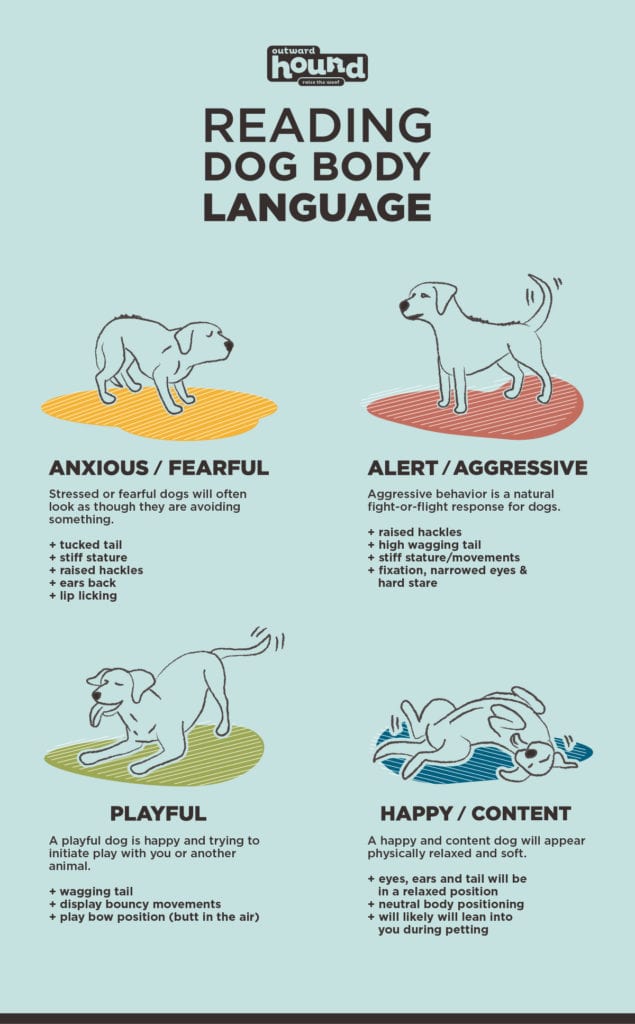
Applying principles derived from advanced behavioral study directly improves domestic safety, mental health, and the overall quality of the human-animal bond. When caretakers understand the underlying triggers of reactivity or separation distress, they can modify environments rather than resorting to ineffective punitive measures. For instance, recognizing subtle precursor signs of canine discomfort, such as lip-licking or averted gaze, allows guardians to intervene before escalation occurs. This proactive approach minimizes chronic stress, which often manifests as physiological ailments, including gastrointestinal upset or dermatological issues driven by anxiety. Education in this domain promotes proactive management strategies, creating harmonious households where both humans and animals thrive through clear, low-stress communication.
Behavioral problems are among the most frequently cited reasons for owner surrender — American Society for the Prevention of Cruelty to Animals (ASPCA)
Implementing Evidence-Based Strategies in Daily Care
Translating academic knowledge into everyday routines involves structured positive reinforcement and careful management of environmental triggers. Positive reinforcement entails presenting a motivating consequence after a desired behavior, making the action more likely to occur in the future without inducing fear. Establishing predictable daily schedules and utilizing puzzle feeders can also fulfill mental stimulation requirements, reducing destructive habits born from boredom. Consistency across all household members remains paramount, as mixed signals can confuse a learning animal. Dog owners seeking to expand their practical knowledge through structured resources often explore dedicated guides on Dog Training to refine their mechanical skills and timing.
Best Practices and Common Pitfalls in Behavioral Modification
Successful behavioral modification requires patience, impeccable timing, and a strict adherence to humane, science-backed methods. One frequent mistake involves flooding an animal with overwhelming stimuli under the assumption that exposure alone cures fear; this approach typically worsens emotional reactivity. Instead, systematic desensitization and counter-conditioning—gradually exposing the animal to a stimulus at a low intensity while pairing it with positive outcomes—yields sustainable results. Another pitfall is expecting linear progress, as behavioral setbacks often occur during transitional life stages or periods of illness. Documenting daily observations helps track subtle improvements, keeping expectations realistic while safeguarding the animal’s emotional resilience against undue pressure.
Positive reinforcement methods are consistently shown to be more effective and less harmful than traditional dominance-based techniques — American Veterinary Medical Association (AVMA)
Pet Care & Wellness Overview Table
| Life Stage | Daily Activity Level | Key Nutrition / Care Focus |
|---|---|---|
| Puppy / Kitten | High (frequent short bursts) | High-protein growth diet & early socialization |
| Adult Companion | Moderate (30–60 mins daily) | Balanced maintenance nutrition & dental hygiene |
| Senior Pets | Low to Gentle (mindful walks) | Joint support (Glucosamine) & routine vet checks |
Images References




Breed-Specific Traits and Developmental Considerations
Individual behavioral expression is profoundly influenced by genetic heritage, breed-specific predispositions, and critical developmental windows. Working breeds, scent hounds, and companion dogs often display distinct behavioral inclinations shaped by centuries of selective breeding. For example, a pastoral breed may exhibit strong herding tendencies, which require appropriate constructive outlets to prevent redirected herding toward moving objects or family members. Understanding these inherited drives prevents unrealistic expectations from caretakers. Exploring resources focused on Dog Breeds helps enthusiasts appreciate the diverse historical contexts that influence modern canine temperament. Furthermore, the socialization period during puppyhood remains a crucial developmental phase where positive exposure to novel environments significantly impacts lifelong adaptability.
Knowing When to Engage Qualified Professionals
Complex behavioral challenges, particularly those involving sudden aggression, severe phobias, or compulsive actions, require immediate guidance from certified veterinary behaviorists or qualified professionals. Environmental management and foundational training alone cannot resolve underlying medical conditions or deep-seated trauma that may require specialized intervention. When seeking support, guardians should verify credentials, ensuring practitioners adhere strictly to humane, evidence-informed methods. Anyone navigating persistent health or wellness concerns can find valuable foundational perspectives through resources dedicated to Dog Health. Early professional collaboration ensures that medical contributors to behavior are properly evaluated, safeguarding the well-being of the animal.
Cultivating Harmonious Partnerships Through Lifelong Education
Advancing human understanding of canine ethology elevates the standard of care across the global pet community, fostering relationships built on empathy, science, and mutual respect. Whether pursuing formal academic credentials or simply committing to continuous learning, caretakers who prioritize behavioral science contribute to safer, more compassionate environments for domestic animals. Exploring broader educational resources on Dog Care empowers individuals to meet physical and psychological needs comprehensively. Visit PetsAnimalsWorld.com today to continue expanding your knowledge and supporting a lifetime of optimal companion animal wellness.