

Understanding the intricate emotional and psychological landscape of a domestic companion is essential for fostering a harmonious household. According to the American Society for Prevention of Cruelty to Animals (ASPCA), behavioral issues are among the primary reasons owners seek guidance or, in severe instances, relinquish pets to shelters. When everyday training tips fail to resolve persistent difficulties, a professional focused on psychological wellness becomes an invaluable asset. Recognizing that canine actions stem from specific motivations allows households to address root causes rather than merely suppressing symptoms.
💡 Pet Care Key Takeaways:
- Core Focus: Practical health, nutrition, and wellness guidelines for Dog Behavior Therapist.
- Target Scope: Pet owners, animal caregivers, and veterinary support staff.
- Best Recommendation: Maintain consistent daily routines and consult an accredited veterinarian before introducing major diet or medical changes.
Understanding the Role of a Canine Psychological Professional
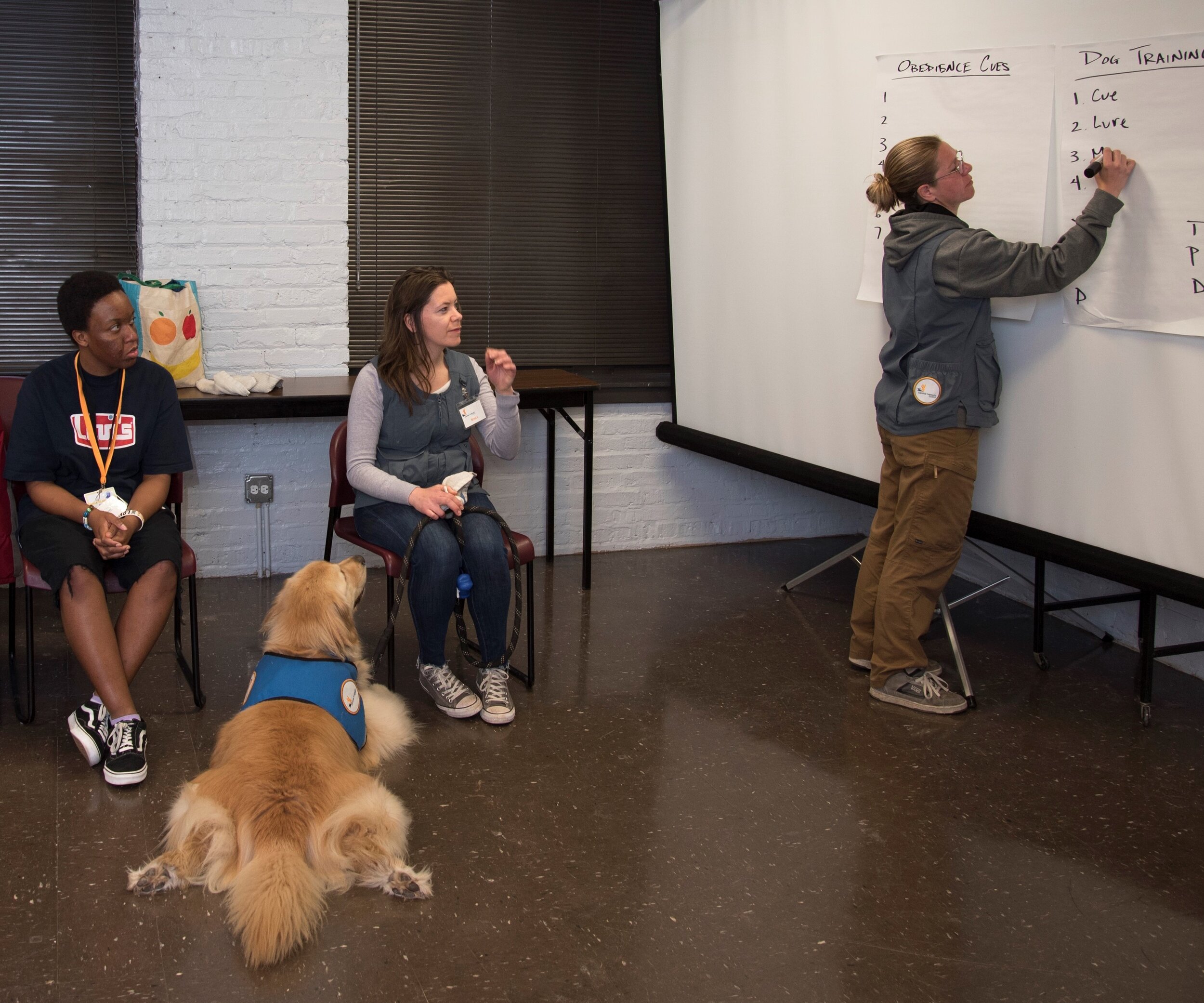
A dog behavior therapist is a specialized professional who evaluates, diagnoses, and treats complex psychological concerns such as severe anxiety, compulsive actions, and inter-dog or human-directed reactivity. Unlike standard obedience trainers who focus on teaching commands like sit, stay, and heel, behavior specialists examine the underlying emotional triggers driving a particular reaction. These practitioners rely on evidence-informed methodologies rooted in learning theory, ethology, and veterinary medicine. They create structured modification plans that alter how an animal perceives and responds to stressful stimuli in the environment. For more related activities, check out our Dog Behavior Courses.
The Impact of Emotional Well-being on Overall Health
Chronic stress and untreated emotional distress significantly impact physiological health, influencing immune function, digestion, and systemic inflammation. Constant exposure to triggers like loud noises, separation anxiety, or unfamiliar visitors keeps the animal’s nervous system in a prolonged state of hyperarousal, flooding the body with cortisol and adrenaline. Addressing these psychological burdens through specialized therapy not only improves daily contentment but also supports physical longevity and vitality. By restoring emotional balance, animals experience lower resting heart rates and improved restorative sleep cycles.
Behavioral problems and chronic stress can manifest physically as gastrointestinal upset, dermatological issues from excessive licking, and suppressed immune function — American Veterinary Medical Association
Implementing Structured Modification Strategies Safely
Implementing effective behavior modification requires patience, consistency, and a strict adherence to humane, science-based principles. Specialists typically utilize systematic desensitization—gradually exposing the animal to a feared or stimulating trigger at a distance or intensity that does not provoke a fearful reaction—paired with counter-conditioning to alter the emotional response from negative to positive. Every step is paced according to the individual animal’s comfort level. Forcing an animal past its threshold or utilizing punitive, fear-based techniques can escalate defensive actions and damage the trust between human and companion.
Best Practices and Common Pitfalls in Psychological Care
Successful outcomes depend heavily on meticulous environment management and preventing rehearsal of unwanted habits while new responses are being established. One common mistake involves rushing the progression or exposing the animal to overwhelming environments before foundational skills are secure. Guardians should maintain realistic timelines, celebrating small incremental progress rather than demanding immediate perfection. Furthermore, consistency across all household members ensures the animal receives clear, predictable communication daily, reducing confusion and anxiety during the learning process.
Positive reinforcement methods are proven to be more effective and create fewer stress-related side effects than traditional dominance-based training approaches — American Kennel Club
Pet Care & Wellness Overview Table
| Life Stage | Daily Activity Level | Key Nutrition / Care Focus |
|---|---|---|
| Puppy / Kitten | High (frequent short bursts) | High-protein growth diet & early socialization |
| Adult Companion | Moderate (30–60 mins daily) | Balanced maintenance nutrition & dental hygiene |
| Senior Pets | Low to Gentle (mindful walks) | Joint support (Glucosamine) & routine vet checks |
Images References







Breed, Age, and Temperament Influences on Conduct
Individual predisposition plays a substantial role in how an animal perceives the world, necessitating tailored approaches for different developmental stages and genetic backgrounds. Working or herding lineages, for instance, often possess intense drive traits that require specific mental outlets to prevent frustration-based habits from developing. Senior companions may undergo cognitive changes similar to human dementia, altering their daily habits and increasing night-time vocalization or confusion. Recognizing these inherent biological factors prevents unfair expectations and guides practitioners toward appropriate, individualized interventions.
When to Consult a Veterinary Professional or Certified Specialist
Seeking immediate professional guidance is crucial when dealing with severe reactivity, unprovoked growling, biting risks, or sudden, uncharacteristic shifts in demeanor. Because physical discomfort or underlying illness frequently manifests as behavioral changes, a thorough veterinary examination should always be the first step in ruling out medical causes. For persistent or dangerous conduct concerns, consult a veterinary behaviorist or a certified behavior consultant listed through recognized scientific organizations rather than relying on unverified online advice.
Supporting Canine Wellness Through Dedicated Resources
Nurturing a well-adjusted companion involves continuous learning across multiple facets of husbandry, nutrition, and mental engagement. Exploring reliable guidance on Dog Behavior helps guardians decode subtle body language before minor frustrations escalate. Combining this knowledge with insights found in Dog Training and Dog Care ensures a comprehensive approach to daily life. Visit PetsAnimalsWorld.com to discover more educational articles designed to support lifelong companionship and animal welfare.


