
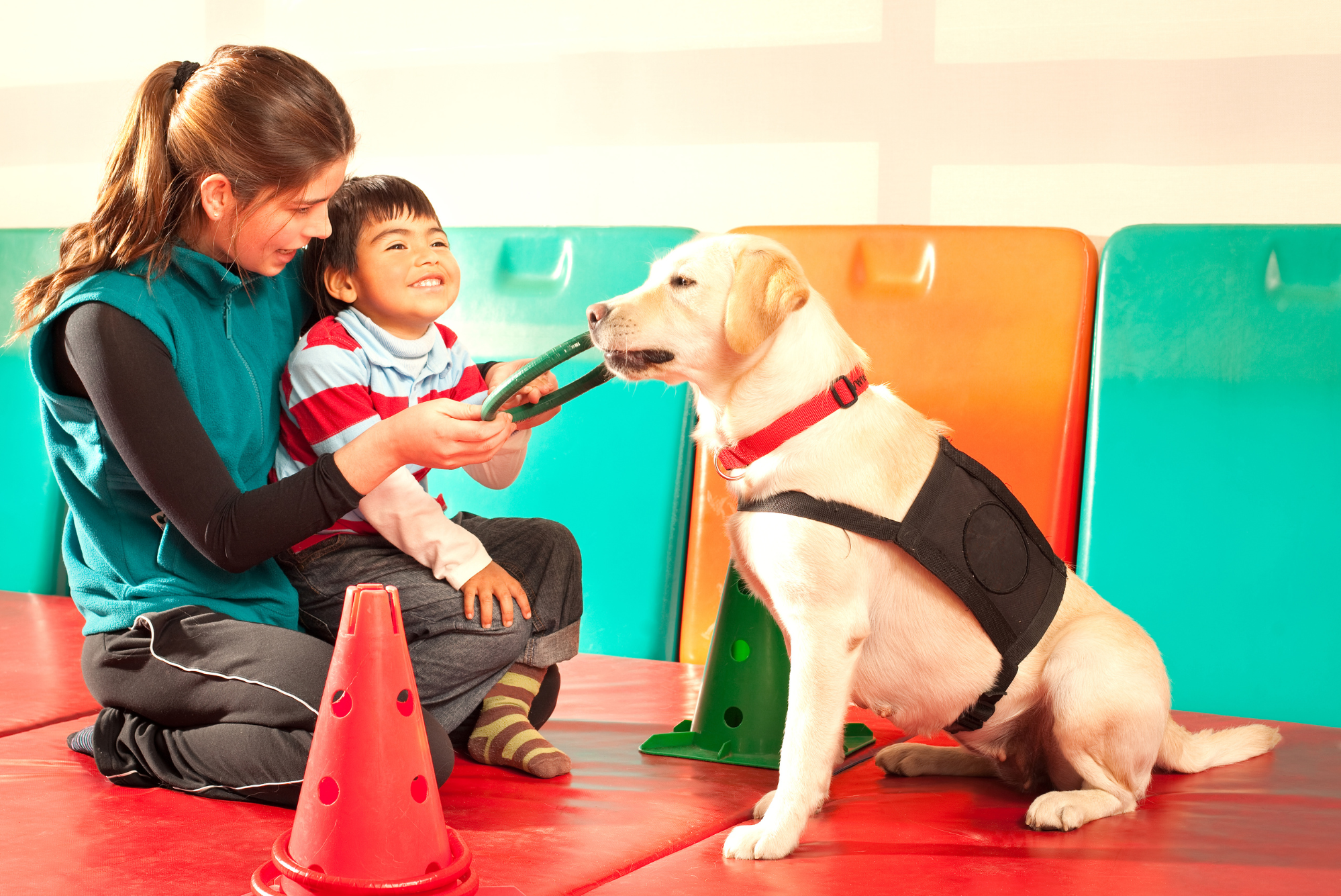
Understanding the Core Principles of Dog Behavior Therapy
Addressing complex conduct issues in domestic canines requires patience, structured guidance, and a comprehensive understanding of animal psychology. According to the American Society for Prevention of Cruelty to Animals (ASPCA), behavioral problems represent a primary reason companion animals are relinquished to shelters, making early and humane intervention crucial for keeping families together. Domestic canines frequently display stress, fear, or frustration through actions that clash with human household expectations. Recognizing that these conduct patterns often stem from underlying emotional states rather than stubbornness shifts the entire paradigm of modern Dog Behavior modification. Canine companions experience the world through sensory input and associative learning, constantly forming connections between specific triggers and environmental outcomes.
💡 Pet Care Key Takeaways:
- Core Focus: Practical health, nutrition, and wellness guidelines for Dog Behavior Therapy.
- Target Scope: Pet owners, animal caregivers, and veterinary support staff.
- Best Recommendation: Maintain consistent daily routines and consult an accredited veterinarian before introducing major diet or medical changes.
Defining Dog Behavior Therapy and Modern Methodology
Dog behavior therapy encompasses specialized, evidence-informed protocols designed to modify problematic actions by addressing root emotional triggers through systematic desensitization and positive reinforcement. Unlike basic obedience training, which teaches fundamental cues like sit or stay, therapeutic intervention targets deep-seated emotional responses such as severe anxiety, resource guarding, reactivity, and compulsive actions. Operant conditioning, which involves shaping behavior through the strategic application of consequences, and classical conditioning, which pairs feared stimuli with positive outcomes like high-value food rewards, form the backbone of these techniques. Professionals rely on humane, scientifically validated strategies that avoid punitive measures, intimidation, and dominance-based theories. Suppressing external signs of discomfort through physical punishment frequently escalates underlying fear, creating a potentially dangerous cycle where a stressed animal reacts without warning growls.
The Comprehensive Impact on Canine Wellness and Safety
Unresolved behavioral issues create chronic physiological stress that negatively impacts physical wellness, immune function, and overall longevity. Prolonged exposure to stress hormones like cortisol compromises bodily systems, increases systemic inflammation, and diminishes the quality of life for both the animal and the human household. When underlying triggers remain unmanaged, everyday environments become sources of acute distress, hindering peaceful coexistence. Implementing targeted behavioral interventions restores emotional balance, allowing animals to navigate daily life with confidence and calm.
Behavioral problems are among the most common reasons pet owners seek professional guidance, highlighting the critical need for evidence-based intervention strategies. — American Veterinary Medical Association
Structured therapeutic plans also enhance public safety by reducing risks associated with fear-based biting or leash reactivity during routine neighborhood walks.
Implementing Structured Modification Plans in Daily Life
Successful behavioral transformation relies on consistency, environmental management, and careful monitoring of individual triggers during daily routines. Management involves temporarily altering the home or outdoor environment to prevent the animal from rehearsing unwanted habits, such as installing window film to block outside visual triggers or keeping food items out of reach to eliminate guarding opportunities. Systematic desensitization exposes the animal to a feared or stimulating trigger at a very low intensity—well below the threshold that provokes an emotional reaction—while simultaneously pairing the presence of that trigger with rewarding experiences. Counter-conditioning takes this a step further by actively changing the emotional valence associated with the stimulus, transforming a perceived threat into a predictor of pleasant outcomes. Recording progress through observation logs helps determine whether the modification pace matches the animal’s current emotional capacity.
Best Practices and Common Pitfalls to Avoid
Avoiding common modification mistakes prevents setbacks and ensures the psychological well-being of the animal throughout the therapeutic journey. One frequent misstep involves flooding, which exposes an animal to an overwhelming level of a feared stimulus all at once; this approach typically intensifies fear and delays progress. Another pitfall is expecting rapid results, as modifying ingrained habits requires time, neuroplasticity, and consistent repetition across various contexts. Owners should prioritize clear communication, predictable routines, and patient observation of subtle body language cues like lip licking, yawning, or averted gaze, which indicate mild stress before escalation occurs. Consistency across all household members is vital, ensuring everyone responds to specific actions with the same established protocols rather than confusing the animal with mixed signals.
Positive reinforcement training methods are proven to be more effective and less likely to cause fear or aggression compared to traditional dominance-based models. — American Kennel Club
Pet Care & Wellness Overview Table
| Life Stage | Daily Activity Level | Key Nutrition / Care Focus |
|---|---|---|
| Puppy / Kitten | High (frequent short bursts) | High-protein growth diet & early socialization |
| Adult Companion | Moderate (30–60 mins daily) | Balanced maintenance nutrition & dental hygiene |
| Senior Pets | Low to Gentle (mindful walks) | Joint support (Glucosamine) & routine vet checks |
Images References

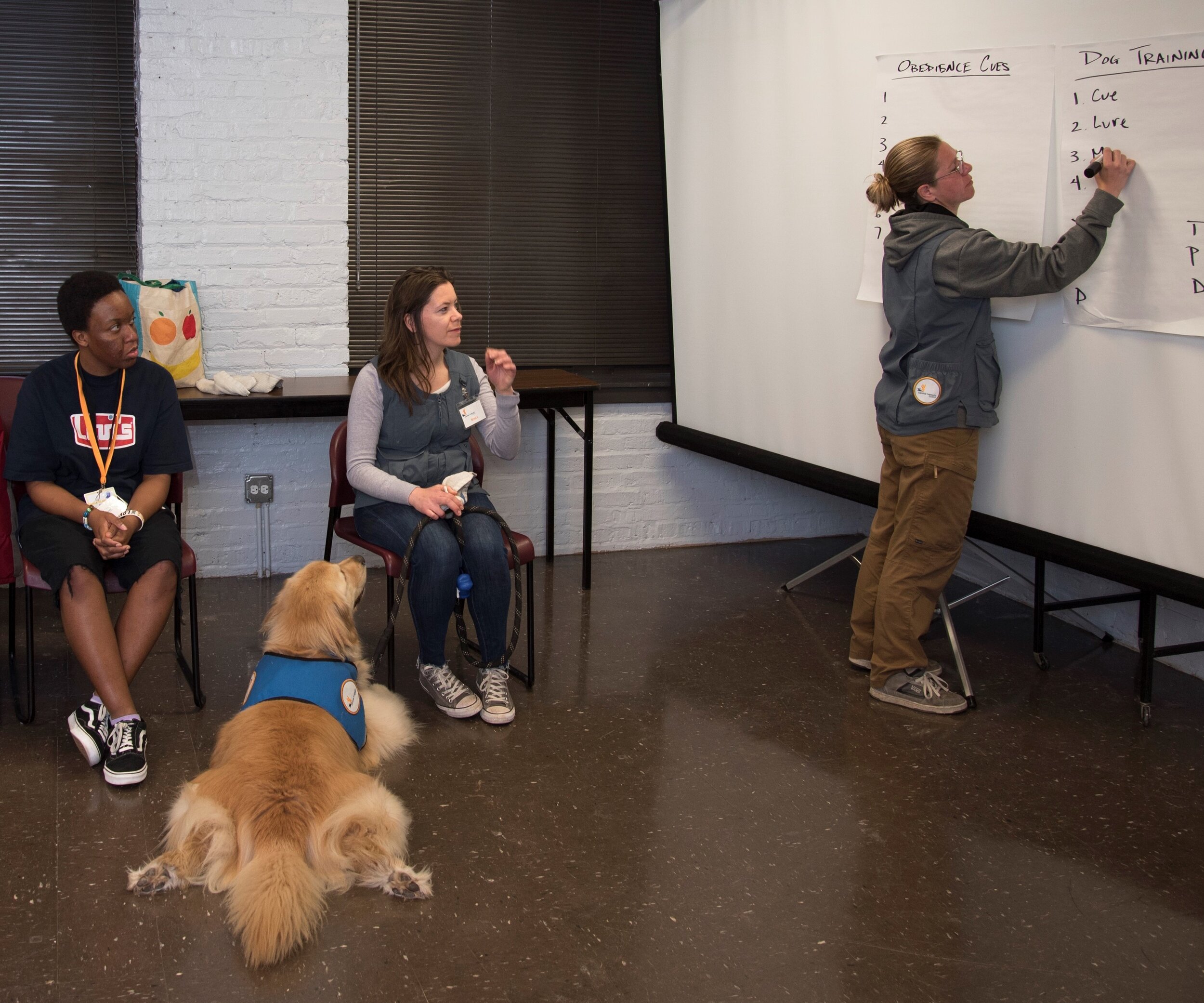


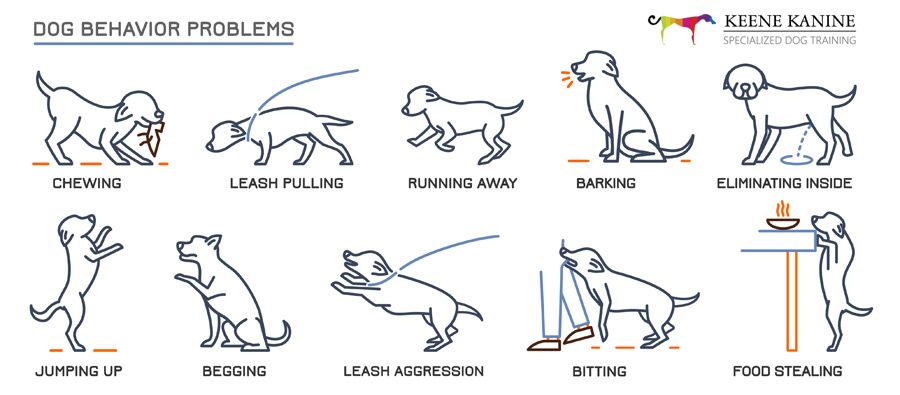
Maintaining realistic expectations keeps the focus on incremental progress rather than immediate perfection.
Breed, Age, and Individual Temperament Considerations
Breed heritage, genetic predispositions, developmental stages, and individual temperament heavily influence how a canine responds to behavioral modification programs. Working and herding breeds, for instance, often possess strong instinctual drives to chase, herd, or guard, which require appropriate physical and mental outlets to prevent frustration-related issues. Companion Dog Breeds may exhibit distinct sensitivities or attachment styles that shape their reactions to separation or unfamiliar visitors. Age also plays a critical role, as developing puppies possess high neuroplasticity during early socialization windows, whereas senior animals may experience cognitive decline that mimics or exacerbates behavioral shifts. Tailoring therapeutic interventions to match the specific physical capabilities, life stage, and psychological makeup of the individual animal ensures a higher likelihood of sustainable, long-term success.
When to Consult a Veterinary Professional or Behaviorist
Professional guidance becomes essential when behavioral concerns involve severe aggression, intense phobias, self-injury, or sudden, uncharacteristic shifts in conduct. Medical issues frequently underlie behavioral changes, making a thorough veterinary examination a necessary first step to rule out underlying pain, neurological disorders, sensory loss, or endocrine imbalances. For severe or persistent behavioral challenges, consulting a board-certified veterinary behaviorist or a certified professional dog trainer utilizing humane, science-based methods is strongly recommended. For suspected poisoning, difficulty breathing, seizures, collapse, severe bleeding, or other potentially urgent conditions, seek immediate veterinary care without delay. Professional oversight ensures that complex safety risks are managed safely through comprehensive, individualized assessment.
Closing Guidance and Additional Resources
Navigating canine behavioral challenges requires a blend of empathy, scientific understanding, and unwavering dedication to humane practices that prioritize emotional wellness. Every step taken toward understanding an animal’s unique perspective strengthens the human-animal bond and fosters a harmonious living environment built on trust rather than coercion. For further insights into supporting your companion animal, explore related articles on Dog Care and Dog Training. Discover more expert guidance, practical tips, and educational resources by visiting PetsAnimalsWorld.com to ensure every pet receives the informed, compassionate support they deserve.


