Understanding Dog Behavior Training Aggression in Modern Households
Addressing canine behavioral challenges requires patience, empathy, and a solid grasp of why animals react defensively or aggressively toward people or other animals. According to the American Society for Prevention of Cruelty to Animals (ASPCA), behavioral problems are a primary reason pets are relinquished to shelters, making early and humane intervention vital for keeping households safe and harmonious. When a companion animal begins displaying growling, snapping, or biting tendencies, it communicates intense discomfort, fear, or frustration rather than a malicious desire to dominate. Recognizing these subtle warning signs allows families to intervene before minor tensions escalate into dangerous situations.
💡 Pet Care Key Takeaways:
- Core Focus: Practical health, nutrition, and wellness guidelines for Dog Behavior Training Aggression.
- Target Scope: Pet owners, animal caregivers, and veterinary support staff.
- Best Recommendation: Maintain consistent daily routines and consult an accredited veterinarian before introducing major diet or medical changes.
Dog behavior training aggression encompasses a spectrum of complex responses, including fear-based snapping, resource guarding, territorial defense, and redirected frustration. Technically defined as any threatening posture or harmful action directed toward another individual, aggression serves as a communication tool in the canine vocabulary. Dogs rarely act without a underlying trigger; instead, they escalate through a predictable ladder of communication, starting with subtle body language like yawning, lip-licking, or averting gaze before moving to growling and biting. Understanding this progression helps handlers decode what the animal experiences internally during stressful encounters.
Unchecked aggressive responses profoundly impact both the emotional well-being of the animal and the safety of everyone in the living environment. Chronic stress triggers high levels of cortisol and adrenaline, keeping the animal in a perpetual state of hyper-arousal that impairs learning and increases reactivity. Households dealing with these issues often experience strained relationships, social isolation, and constant anxiety over potential bite incidents. Furthermore, physical safety risks escalate when warning signals are suppressed through outdated punishment methods, which often lead dogs to bite without warning.
Behavioral problems are among the leading reasons owners seek professional guidance or relinquish pets to shelters. — American Society for Prevention of Cruelty to Animals (ASPCA)
Managing and modifying reactive tendencies relies heavily on evidence-informed techniques, particularly desensitization and counter-conditioning. Desensitization involves exposing the animal to a trigger at a low intensity that does not elicit a fearful or aggressive reaction, while counter-conditioning changes the emotional response to that trigger by pairing it with high-value rewards. Establishing predictable daily routines and providing adequate mental stimulation through Dog Training exercises further reduce baseline anxiety. Every positive reinforcement session builds trust and teaches alternative coping mechanisms, replacing reactive habits with calm, manageable behaviors.
Effective behavior modification requires consistency, strict adherence to safety protocols, and the avoidance of outdated dominance theories. A common mistake involves punishing growling, which removes the animal’s warning system and leaves biting as the only perceived defense mechanism. Handlers should focus on managing the environment to prevent rehearsal of unwanted reactions while slowly expanding the animal’s threshold for tolerance. Maintaining clear communication and celebrating small milestones ensures steady progress without overwhelming the sensitive learner.
Positive reinforcement methods create lasting behavioral improvements by reducing fear and building cooperative communication between dogs and handlers. — American Veterinary Medical Association (AVMA)
Pet Care & Wellness Overview Table
| Life Stage | Daily Activity Level | Key Nutrition / Care Focus |
|---|---|---|
| Puppy / Kitten | High (frequent short bursts) | High-protein growth diet & early socialization |
| Adult Companion | Moderate (30–60 mins daily) | Balanced maintenance nutrition & dental hygiene |
| Senior Pets | Low to Gentle (mindful walks) | Joint support (Glucosamine) & routine vet checks |
Images References


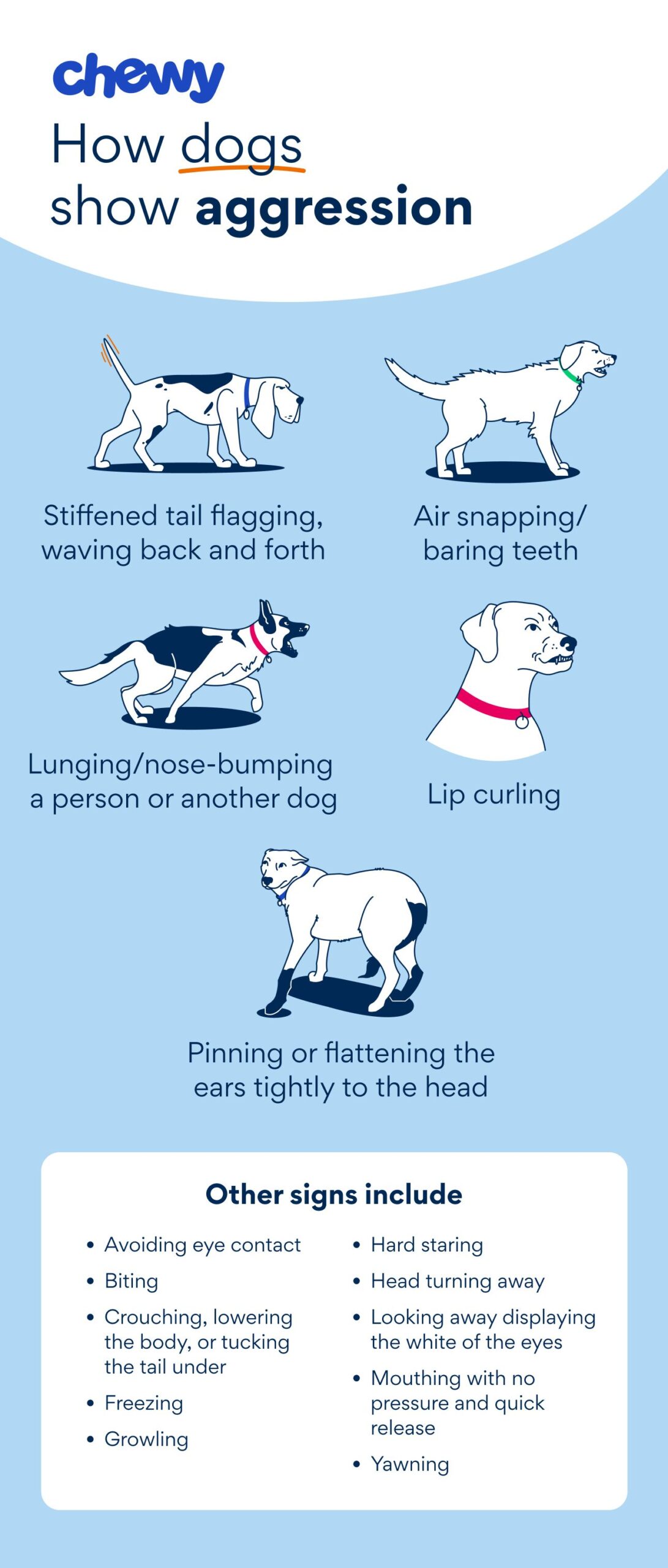


Individual breed history, age, socialization background, and individual temperament heavily influence how animals perceive and respond to environmental stressors. While certain herding or guarding lines may display heightened sensitivity to movement or territory, individual personality and early life experiences play an equally significant role in shaping reactions. Exploring Dog Breeds characteristics helps caregivers anticipate specific predispositions, ensuring that management strategies match the unique physical and mental needs of the animal. Senior dogs may also exhibit sudden behavioral changes due to cognitive decline or underlying pain, requiring a specialized approach tailored to aging physiology.
Consulting a qualified professional is essential when behavioral concerns pose safety risks or fail to improve with basic management. Pet owners should seek assistance from a board-certified veterinary behaviorist or a certified professional dog trainer who employs humane, science-based methodologies. Collaborating with experts ensures that underlying medical conditions contributing to pain or discomfort are diagnosed through a thorough Dog Health examination before designing a comprehensive modification plan. Prioritizing expert guidance protects both human and animal welfare, fostering a safe environment supported by trusted Dog Care standards and resources found at PetsAnimalsWorld.com.