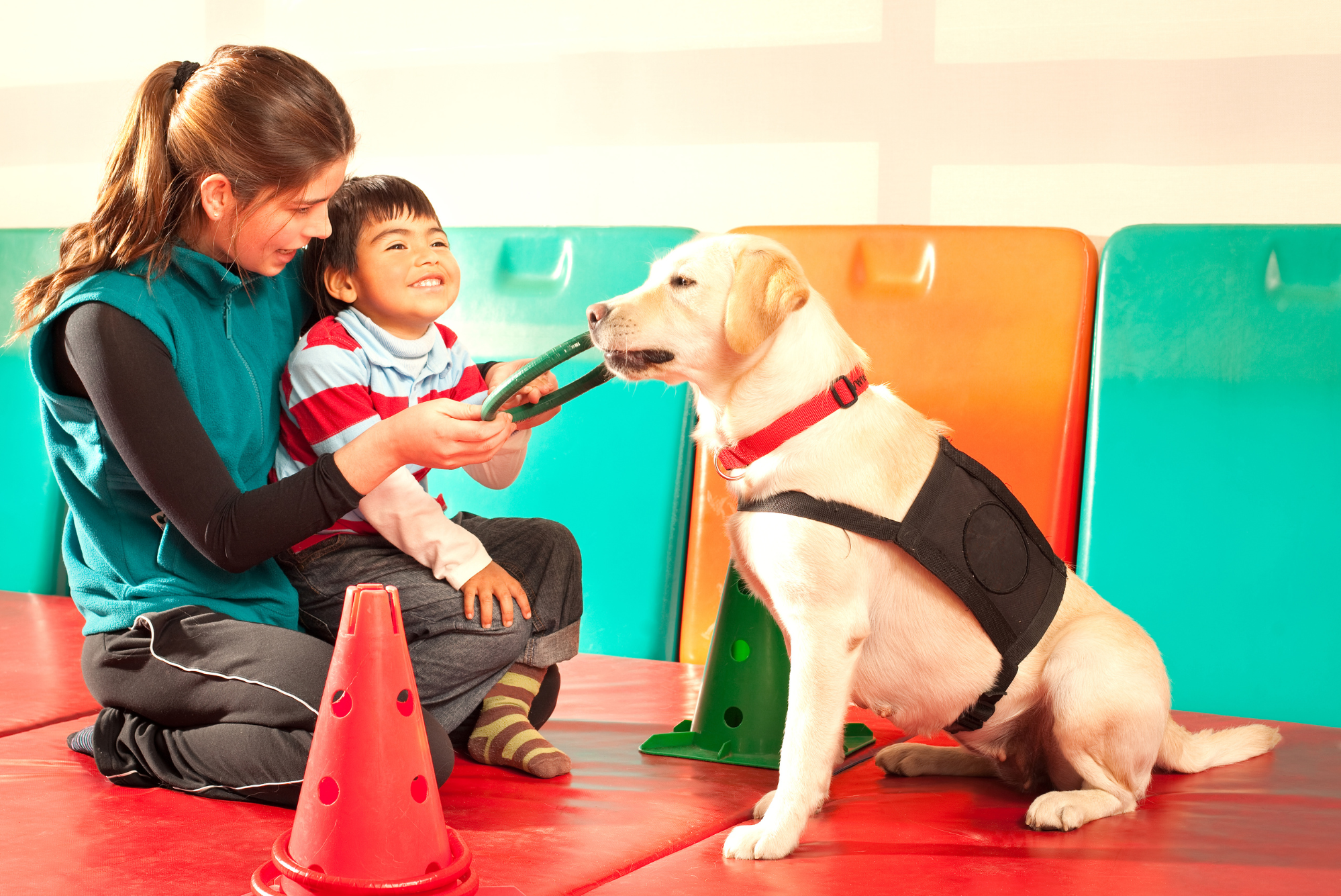
According to the American Society for the Prevention of Cruelty to Animals (ASPCA), seeking qualified educational guidance is essential for addressing canine behavioral challenges humanely. When welcoming a canine companion into a household, establishing clear, consistent communication forms the bedrock of a harmonious relationship. Many individuals seek assistance from professional educators to navigate common obedience hurdles, separation stress, or complex reactivity. However, the companion animal industry features a wide spectrum of educational credentials, ranging from weekend workshops to rigorous scientific programs. Understanding what separates a credentialed professional from an unregulated practitioner helps guardians make informed decisions that safeguard animal welfare and promote positive outcomes.
💡 Pet Care Key Takeaways:
- Core Focus: Practical health, nutrition, and wellness guidelines for Dog Behavior Training Certification.
- Target Scope: Pet owners, animal caregivers, and veterinary support staff.
- Best Recommendation: Maintain consistent daily routines and consult an accredited veterinarian before introducing major diet or medical changes.
Decoding Dog Behavior Training Certification and Professional Standards
Dog behavior training certification represents a formal verification of knowledge, practical skill, and adherence to established ethical standards within the companion animal profession. Unlike generic titles, legitimate credentials typically require candidates to pass comprehensive examinations, log supervised instructional hours, and commit to continuing education. These programs focus heavily on learning theory, ethology—the scientific study of animal behavior—and humane, force-free methodologies. Practitioners holding recognized credentials generally avoid punitive or dominance-based techniques, favoring operant conditioning, classical conditioning, and positive reinforcement strategies instead. This scientific grounding ensures that the methods utilized foster trust rather than fear or suppression in the learner. For more related activities, check out our Dog Behavior Degree.
The Impact of Humane Education on Canine Well-Being
Collaborating with a knowledgeable professional holding a legitimate dog behavior training certification directly influences a canine’s emotional stability and overall quality of life. Humane intervention reduces chronic stress responses, which can otherwise manifest as destructive habits, house-soiling, or defensive reactivity. When educators apply evidence-informed principles, they help animals navigate modern human environments with confidence and clarity. Furthermore, structured learning sessions provide essential mental enrichment, satisfying the cognitive needs of working breeds and companion animals alike. Observing how a dog responds to predictable, reward-based cues often reveals subtle body language shifts that indicate relaxation and engagement.
Behavioral science emphasizes that positive reinforcement strengthens desired responses without inducing fear or distress in domestic canines. — American Veterinary Medical Association
Evaluating and Selecting Qualified Behavioral Professionals
Navigating the landscape of companion animal instruction requires careful assessment of credentials, practical experience, and teaching philosophy. Guardians should actively inquire about specific certifications issued by independent, third-party testing organizations rather than proprietary club badges. It is entirely appropriate to ask about continuing education credits, professional memberships, and adherence to a strict code of ethics. Observing a session prior to committing ensures that the instructor prioritizes the emotional comfort of the animal and provides clear, constructive guidance to the human handler. Transparency regarding methods creates a collaborative environment where progress is measured objectively through behavioral observation.
Best Practices and Common Pitfalls in Behavioral Guidance
Achieving meaningful progress requires consistency, patience, and strict adherence to reward-based frameworks. One frequent misstep involves expecting rapid transformations without addressing the underlying emotional triggers of undesirable conduct. Environmental management, such as blocking visual access to street stimuli or utilizing secure containment, often serves as an immediate safety measure while long-term education takes place. Additionally, mixing contradictory styles—such as pairing a harsh correction with a food reward—confuses the learner and deteriorates trust. Maintaining realistic expectations ensures that households celebrate incremental milestones rather than striving for unattainable perfection.
Independent certifying bodies require practitioners to recertify periodically, ensuring up-to-date knowledge in animal cognition and learning theory. — Certification Council for Professional Dog Trainers
Pet Care & Wellness Overview Table
| Life Stage | Daily Activity Level | Key Nutrition / Care Focus |
|---|---|---|
| Puppy / Kitten | High (frequent short bursts) | High-protein growth diet & early socialization |
| Adult Companion | Moderate (30–60 mins daily) | Balanced maintenance nutrition & dental hygiene |
| Senior Pets | Low to Gentle (mindful walks) | Joint support (Glucosamine) & routine vet checks |
Images References



Individual Differences in Breed, Age, and Temperament
Every domestic animal possesses a unique genetic background, developmental history, and individual temperament that influences learning dynamics. Herding breeds might naturally attempt to control movement through nipping or circling, whereas guardian types may display heightened wariness toward unfamiliar stimuli. Senior canines often require modified physical expectations due to joint stiffness or cognitive decline, making shorter, gentler sessions necessary. Tailoring instructional approaches to match the specific physical and psychological profile of the individual ensures that expectations remain fair, safe, and productive.
When to Consult a Veterinary Professional or Specialist
Sudden shifts in conduct, persistent fearfulness, or escalating aggression warrant an immediate veterinary examination to rule out underlying medical discomfort or neurological conditions. Pain from conditions such as arthritis, dental disease, or gastrointestinal distress frequently manifests as uncharacteristic reactivity or withdrawal. When complex behavioral concerns exceed standard obedience coaching, consulting a board-certified veterinary behaviorist provides advanced medical and psychological oversight. For comprehensive guidance on related topics, explore resources on Dog Behavior, Dog Training, and general Dog Care to support a healthy household.
Empowering Guardians Through Education
Pursuing knowledge regarding professional credentials allows pet guardians to cultivate safe, supportive environments for their four-legged companions. By prioritizing humane standards and scientific insight, households lay the groundwork for lifelong trust and cooperation. Explore further resources and expert advice across Dog Health and Dog Nutrition to ensure holistic wellness for every member of the family. Visit PetsAnimalsWorld.com today to discover more guides designed to enrich the lives of companion animals everywhere.