Understanding the Role of a Professional Dog Behavior Trainer
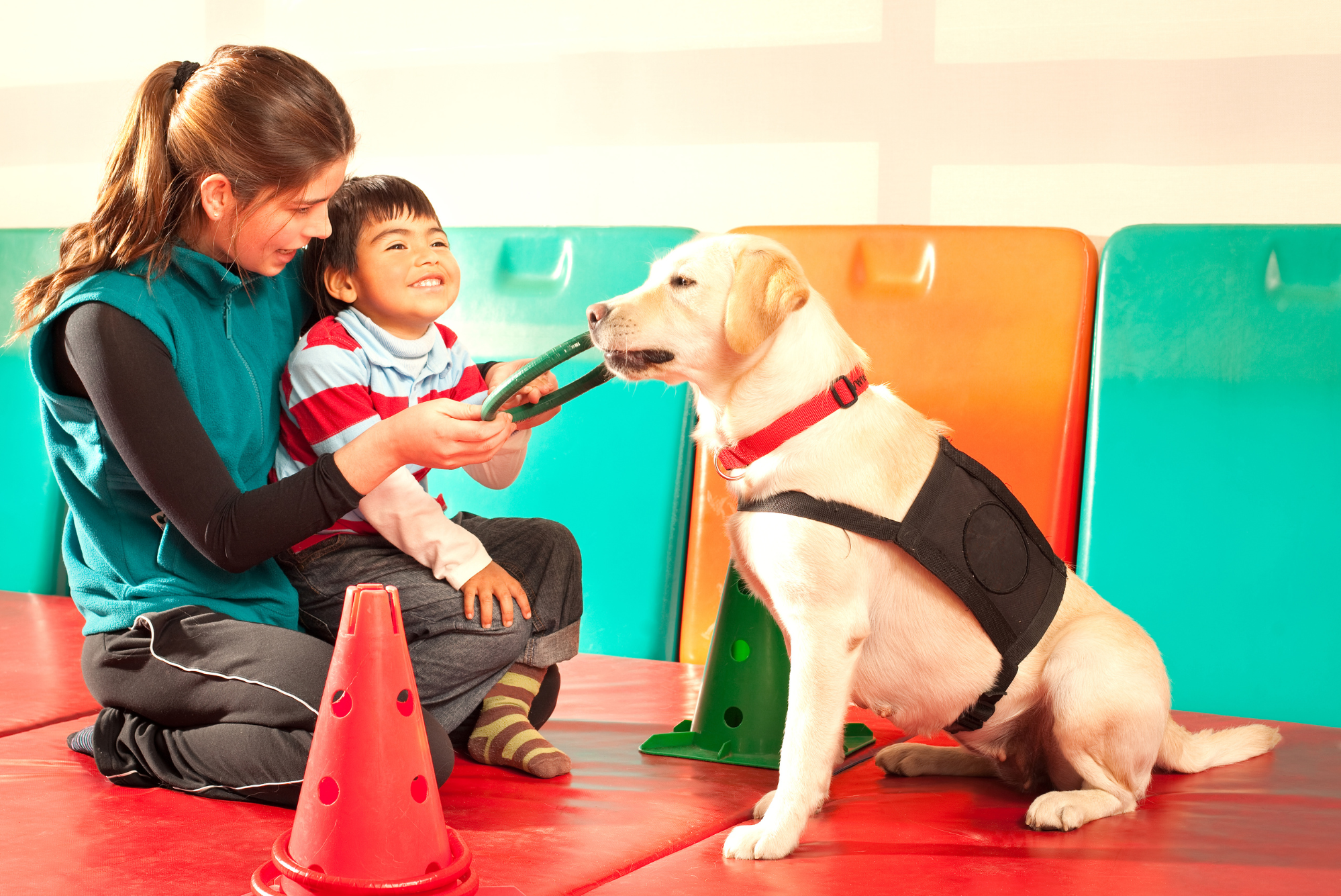
Navigating the complexities of canine conduct often requires specialized knowledge to ensure harmony within a household. According to the American Society for the Prevention of Cruelty to Animals (ASPCA), humane training methods that prioritize positive reinforcement are essential for building a strong, trusting bond between individuals and their canine companions. A dog behavior trainer serves as a bridge, translating canine body language and communication into actionable strategies for owners. Whether addressing minor obedience lapses or navigating more significant behavioral challenges, the guidance of a qualified expert helps foster a predictable and secure environment for the animal. Understanding the distinction between basic obedience and specialized behavioral modification is the first step toward effective management.
💡 Pet Care Key Takeaways:
- Core Focus: Practical health, nutrition, and wellness guidelines for Dog Behavior Trainer.
- Target Scope: Pet owners, animal caregivers, and veterinary support staff.
- Best Recommendation: Maintain consistent daily routines and consult an accredited veterinarian before introducing major diet or medical changes.
Defining the Scope of a Dog Behavior Trainer
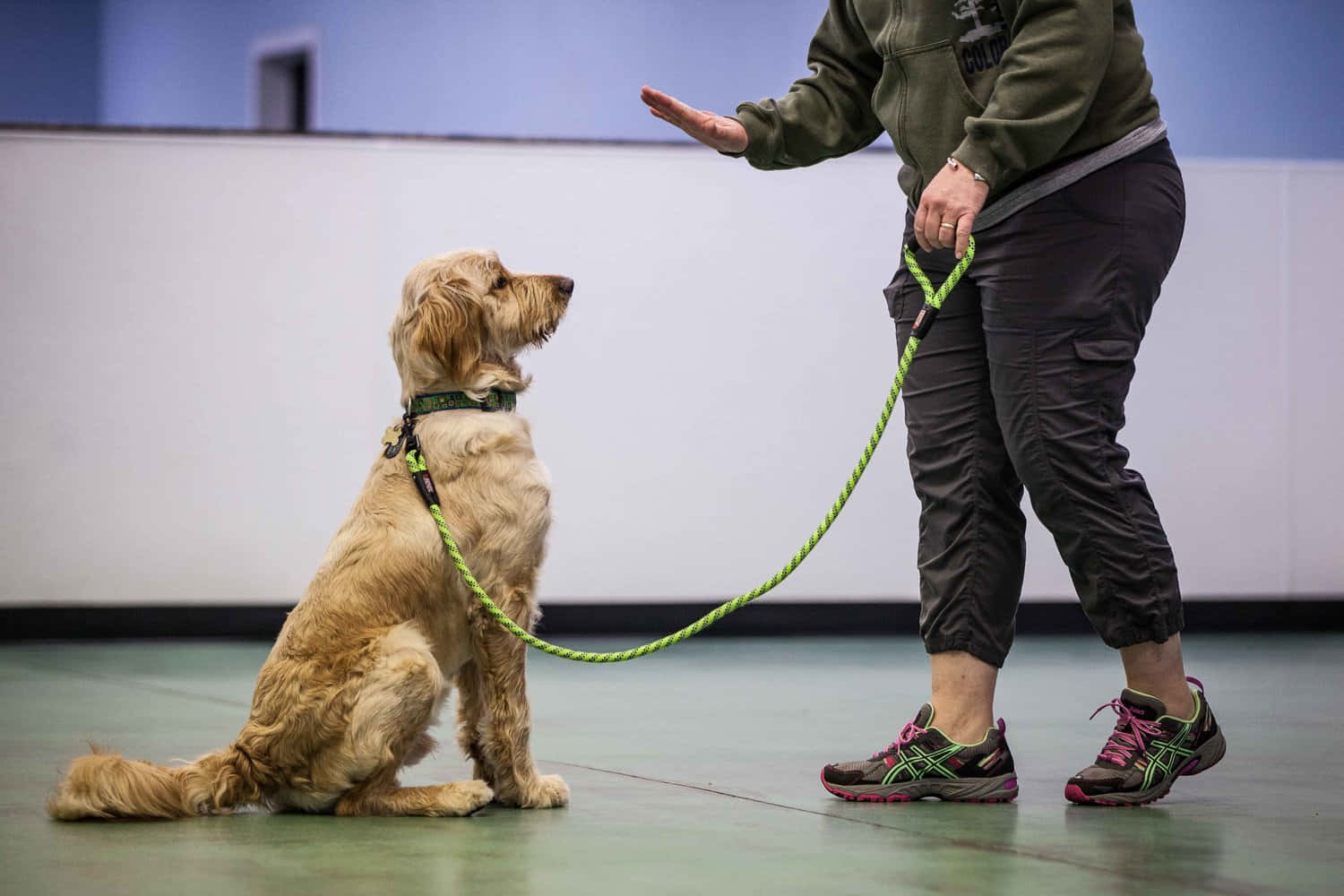
A dog behavior trainer is a professional dedicated to modifying unwanted behaviors through evidence-informed techniques rather than intimidation or physical force. While a basic obedience instructor focuses on teaching commands such as sit, stay, or come, a behavior trainer often addresses the underlying emotional triggers of a dog’s actions, such as fear, anxiety, or reactivity. These professionals utilize operant conditioning—the process of learning through consequences—and classical conditioning to shift a dog’s internal response to external stimuli. By identifying the motivation behind a behavior, such as a need for space or a reaction to a perceived threat, a trainer designs structured protocols to replace problematic habits with calm, desirable alternatives.
The Impact of Behavioral Health on Canine Well-being
Behavior is frequently a reflection of a dog’s internal physical and psychological state, making it a critical component of overall Dog Health. When a dog displays persistent patterns of distress, such as excessive barking, destructive chewing, or withdrawal, these actions may indicate an underlying health issue or a chronic stress response. Physical discomfort, ranging from joint pain to gastrointestinal distress, can manifest as irritability or sudden changes in demeanor. By working with a behavior trainer, owners learn to differentiate between learned behaviors and those stemming from systemic health concerns, ensuring that the animal receives the appropriate care. A holistic approach, which considers the dog’s environment, routine, and medical history, is paramount to achieving long-term stability.
The American Veterinary Medical Association (AVMA) emphasizes that behavioral problems are the most common reason for pet relinquishment, underscoring the importance of early intervention and professional guidance. — AVMA
Approaches to Managing Behavioral Challenges
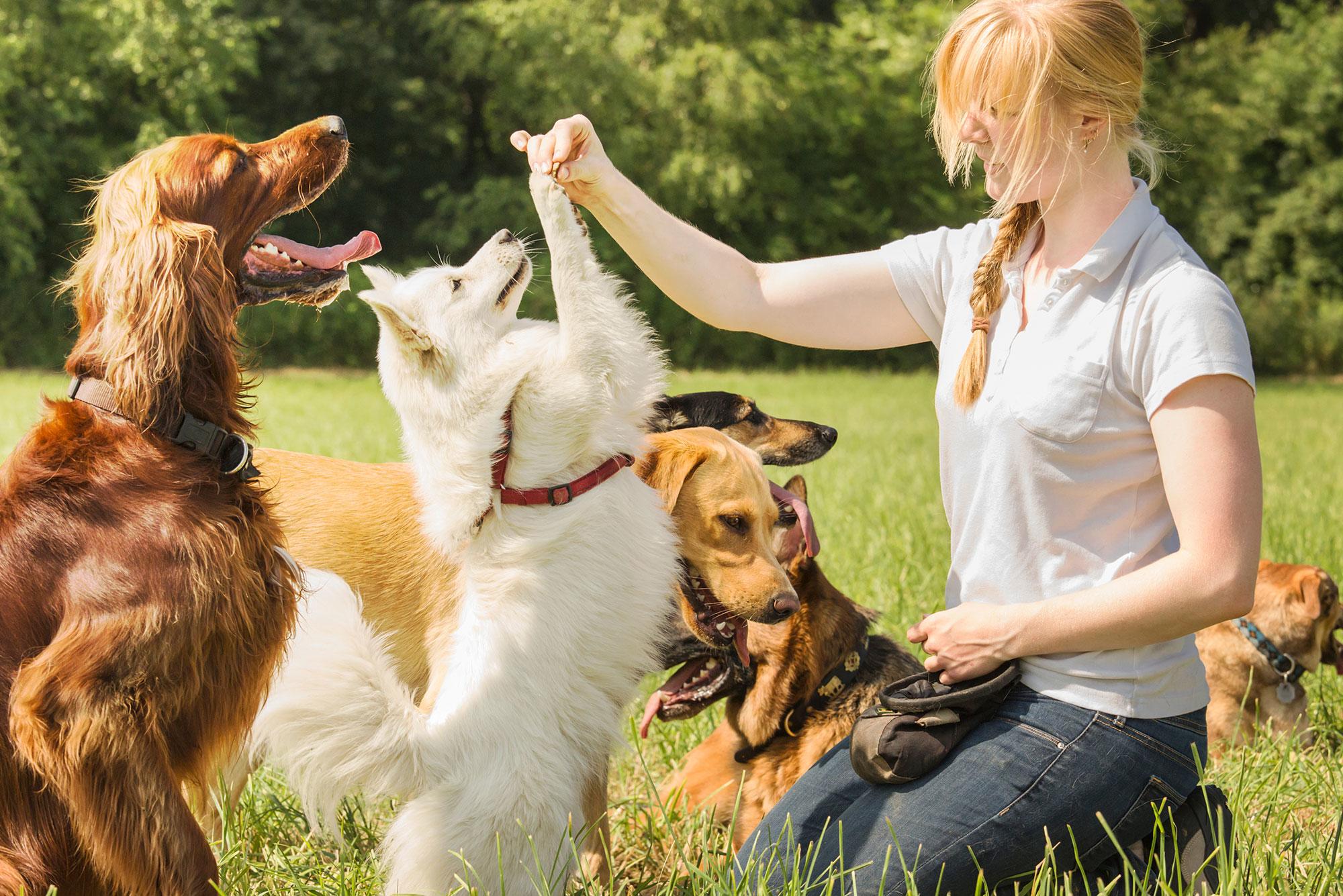
Effective management of canine behavior relies on consistency, patience, and the use of positive reinforcement, which involves rewarding desired actions to increase their frequency. A professional trainer will often begin by assessing the environment to identify triggers that elicit negative responses. For instance, if a dog reacts to visitors at the door, the trainer may implement a desensitization plan, gradually exposing the dog to the sound or sight of guests at a distance that does not trigger a reaction. This process is paired with counter-conditioning, where the dog learns to associate the presence of the trigger with a positive outcome, such as receiving a high-value treat. By controlling the environment and managing the intensity of exposure, owners can systematically change the dog’s emotional response over time.
Best Practices and Common Pitfalls in Training
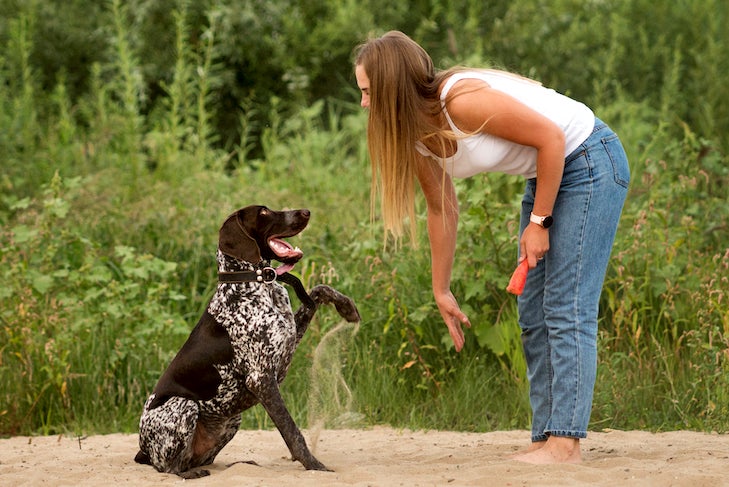
One of the most significant mistakes in Dog Training is the reliance on punitive measures, which can exacerbate fear and cause the dog to mask warning signs rather than learn new skills. For example, punishing a dog for growling may suppress the behavior, but it does not address the underlying aggression or fear, potentially leading to a bite without warning. Instead, best practices involve clear communication, short and frequent training sessions, and the maintenance of a calm, neutral demeanor by the handler. Owners should focus on setting the dog up for success by preventing the occurrence of unwanted behaviors while simultaneously reinforcing the behaviors they wish to encourage. Consistency across all household members is vital, as mixed signals can lead to confusion and frustration for the dog.
Positive reinforcement training, which utilizes rewards like treats, toys, or praise, is scientifically recognized as the most effective and humane method for teaching new behaviors. — ASPCA
Pet Care & Wellness Overview Table
| Life Stage | Daily Activity Level | Key Nutrition / Care Focus |
|---|---|---|
| Puppy / Kitten | High (frequent short bursts) | High-protein growth diet & early socialization |
| Adult Companion | Moderate (30–60 mins daily) | Balanced maintenance nutrition & dental hygiene |
| Senior Pets | Low to Gentle (mindful walks) | Joint support (Glucosamine) & routine vet checks |
Images References






Considering Individual Variations in Dogs
Every dog is an individual with unique genetic predispositions, life experiences, and temperament, factors that must be considered when developing a training plan. Certain Dog Breeds may have been historically developed for tasks that influence their current behavior, such as high-energy herding or guarding instincts. While these traits are not universal, they can inform the types of enrichment and training strategies that prove most effective. Age also plays a significant role; puppies require socialization and foundational learning, while senior dogs may require adjustments due to cognitive changes or sensory decline. Adapting the training approach to fit the specific developmental stage and personality of the dog ensures that the methods remain respectful and effective.
When to Seek Professional Intervention
Consulting a professional is essential when a dog exhibits behaviors that are dangerous, deeply distressing, or resistant to standard training efforts. Aggression, severe separation anxiety, or sudden, uncharacteristic behavioral shifts require an immediate evaluation by a veterinarian to rule out underlying medical conditions. If a veterinarian determines that the behavior is purely behavioral, a referral to a certified veterinary behaviorist or a qualified trainer with expertise in specific behavioral pathologies is recommended. Attempting to manage severe anxiety or aggression without professional oversight can be dangerous for both the owner and the dog. A professional assessment provides a structured path forward, prioritizing safety and the animal’s welfare above all else.
Resources for Continued Learning
Ongoing education is a cornerstone of responsible Dog Care, and resources are available to help owners better understand their companions. Exploring topics related to Dog Behavior can provide valuable insights into the nuances of canine communication and the benefits of proactive management. By utilizing evidence-based information and seeking guidance from qualified professionals, owners can ensure a fulfilling life for their pets. For more guidance on training, health, and general wellness, visit PetsAnimalsWorld.com, where a wealth of information awaits to support the journey of pet ownership.