The Role of Digital Guidance in Modern Canine Education
Accessing reliable instructional content has transformed the landscape of pet ownership, providing a convenient way to learn essential skills from the comfort of home. According to the American Society for the Prevention of Cruelty to Animals (ASPCA), positive reinforcement is the most effective and humane method for teaching dogs, and video resources often serve as a visual bridge for owners attempting to apply these principles. While digital media offers a wealth of information, the quality and methodology presented in these clips vary significantly. Discerning which resources align with established behavioral science is a critical step for anyone seeking to build a stronger, more cooperative relationship with a canine companion through dog training.
💡 Pet Care Key Takeaways:
- Core Focus: Practical health, nutrition, and wellness guidelines for Dog Training Videos.
- Target Scope: Pet owners, animal caregivers, and veterinary support staff.
- Best Recommendation: Maintain consistent daily routines and consult an accredited veterinarian before introducing major diet or medical changes.
Defining Educational Dog Training Content
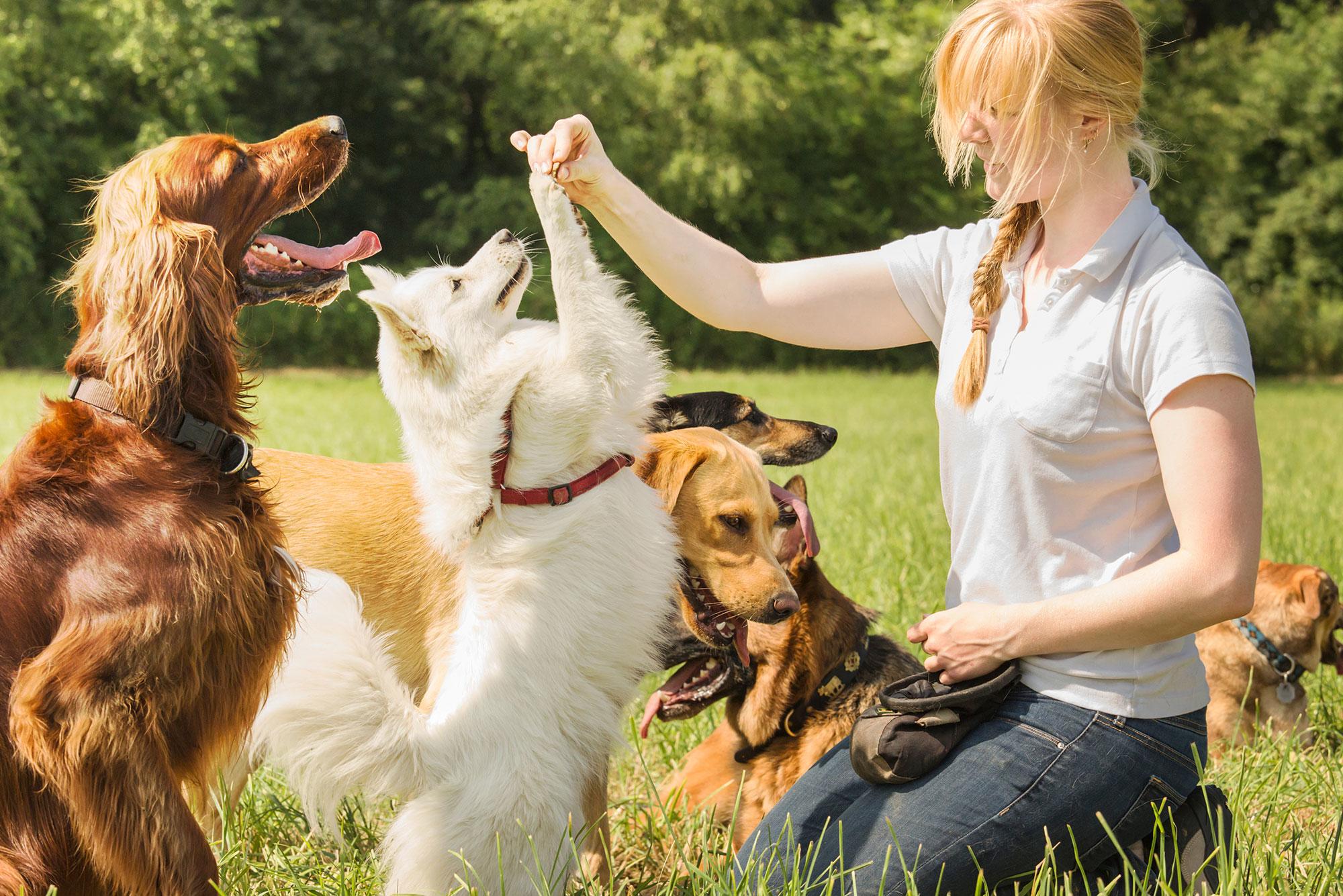
Dog training videos act as visual tutorials that demonstrate specific cues, behavioral modifications, or basic obedience techniques through real-time observation. These resources typically feature a handler working with a dog, providing an opportunity for viewers to see the timing of rewards, the placement of treats, and the body language required to communicate effectively with an animal. Unlike static text, video allows for the observation of subtle nuances, such as the speed of a hand signal or the duration of a stay, which are vital for consistency. However, these videos are instructional tools rather than comprehensive programs, meant to supplement the learning process rather than replace the need for personalized, professional guidance.
The Behavioral Impact of Visual Learning
When owners utilize evidence-based instructional videos, the primary goal is to foster clear communication, which reduces frustration for both the human and the dog. Dogs rely heavily on non-verbal cues, and seeing an expert model appropriate responses helps owners avoid accidental reinforcement of unwanted behaviors. By focusing on reward-based systems, such as marking a desired action with a clicker or a verbal “yes” followed by a treat, owners can effectively shape behavior without resorting to intimidation. This approach supports emotional well-being, as dogs that understand what is expected of them are generally more confident and less prone to stress-related behavioral issues, which are often discussed in broader dog behavior contexts.
Positive reinforcement training uses rewards like treats, praise, or play to encourage desired behaviors, which strengthens the bond between the pet and the owner. — ASPCA
Successful implementation of techniques learned from video content requires patience, consistency, and a structured environment. It is essential to break down complex tasks into small, achievable steps, ensuring the dog experiences frequent success during each session. Before beginning a new exercise, identify a quiet, low-distraction area where the dog can focus. Keep training sessions brief—often just five to ten minutes—to maintain engagement and prevent fatigue. When watching a demonstration, focus on the trainer’s timing; the reward must occur immediately after the desired behavior to ensure the dog makes the correct association. Always evaluate whether the chosen method is truly reward-based, as any approach involving punishment or physical force can damage trust and exacerbate underlying anxieties.
Best Practices and Common Pitfalls
A common mistake is expecting too much progress in a single sitting, which can lead to frustration for the owner and confusion for the dog. Consistency is the foundation of effective learning; all members of the household should use the same cues and reinforcement schedules to avoid sending mixed signals. Furthermore, avoid the trap of relying solely on one source; evaluating multiple reputable, force-free trainers can provide a broader perspective on how different dogs respond to various techniques. Always observe the dog’s body language during training. Signs of stress, such as lip licking, yawning, or turning away, indicate that it is time to stop or simplify the exercise. Remember that each individual animal learns at a different pace, and there is no universal timeline for mastering a new skill.
The American Kennel Club emphasizes that consistent, reward-based training is essential for teaching dogs basic manners and ensuring their safety in various environments. — AKC
Pet Care & Wellness Overview Table
| Life Stage | Daily Activity Level | Key Nutrition / Care Focus |
|---|---|---|
| Puppy / Kitten | High (frequent short bursts) | High-protein growth diet & early socialization |
| Adult Companion | Moderate (30–60 mins daily) | Balanced maintenance nutrition & dental hygiene |
| Senior Pets | Low to Gentle (mindful walks) | Joint support (Glucosamine) & routine vet checks |
Images References


Breed, Age, and Temperament Considerations
The effectiveness of any training strategy is inherently linked to the individual dog’s history, age, and temperament. Puppies have shorter attention spans and require more frequent, shorter sessions, whereas adult dogs may require more time to unlearn established habits. Breed-specific traits also play a role; for instance, high-energy working breeds may require significant physical exercise before they can settle down to focus on mental tasks. Researching the specific needs of different dog breeds can help owners tailor their expectations and choose exercises that align with their pet’s natural inclinations, such as scent work for hounds or retrieval games for sporting dogs.
When to Seek Professional Intervention
While videos are excellent for teaching basic manners and simple tricks, they are not a substitute for professional help when dealing with complex behavioral issues. If a dog displays signs of aggression, severe separation anxiety, resource guarding, or persistent fear, relying solely on online tutorials can be ineffective or even counterproductive. In these instances, consult a qualified, certified professional dog trainer or a veterinary behaviorist who can provide a personalized assessment. Furthermore, if a sudden change in behavior occurs, a visit to a veterinarian is necessary to rule out underlying medical issues or pain that might be influencing the dog’s actions, as discussed in resources regarding dog health.
Supporting Your Journey in Pet Education
Learning to communicate effectively with a dog is a lifelong process that deepens the bond between pet and owner. By selecting high-quality, humane educational content and combining it with patience and professional guidance when needed, owners can provide a fulfilling life for their companions. Explore more tips and comprehensive guides on pet care, behavior, and training by visiting PetsAnimalsWorld.com, where a commitment to the well-being of all animals remains the priority.