Understanding the Role of Ultrasonic Sound in Canine Behavior
The pursuit of effective communication between humans and dogs often leads to the exploration of various training tools and technologies. Among these, devices utilizing ultrasonic sound—frequencies typically above the range of human hearing—have gained significant attention in the pet industry. According to the American Society for the Prevention of Cruelty to Animals (ASPCA), positive reinforcement is the most effective and humane method for training, emphasizing the importance of understanding how different stimuli influence a canine’s learning process and emotional well-being. Navigating the use of high-frequency sound requires a careful balance between seeking behavioral results and maintaining the animal’s sense of security.
💡 Pet Care Key Takeaways:
- Core Focus: Practical health, nutrition, and wellness guidelines for Dog Training Ultrasonic Sound.
- Target Scope: Pet owners, animal caregivers, and veterinary support staff.
- Best Recommendation: Maintain consistent daily routines and consult an accredited veterinarian before introducing major diet or medical changes.
Defining Ultrasonic Sound in Dog Training
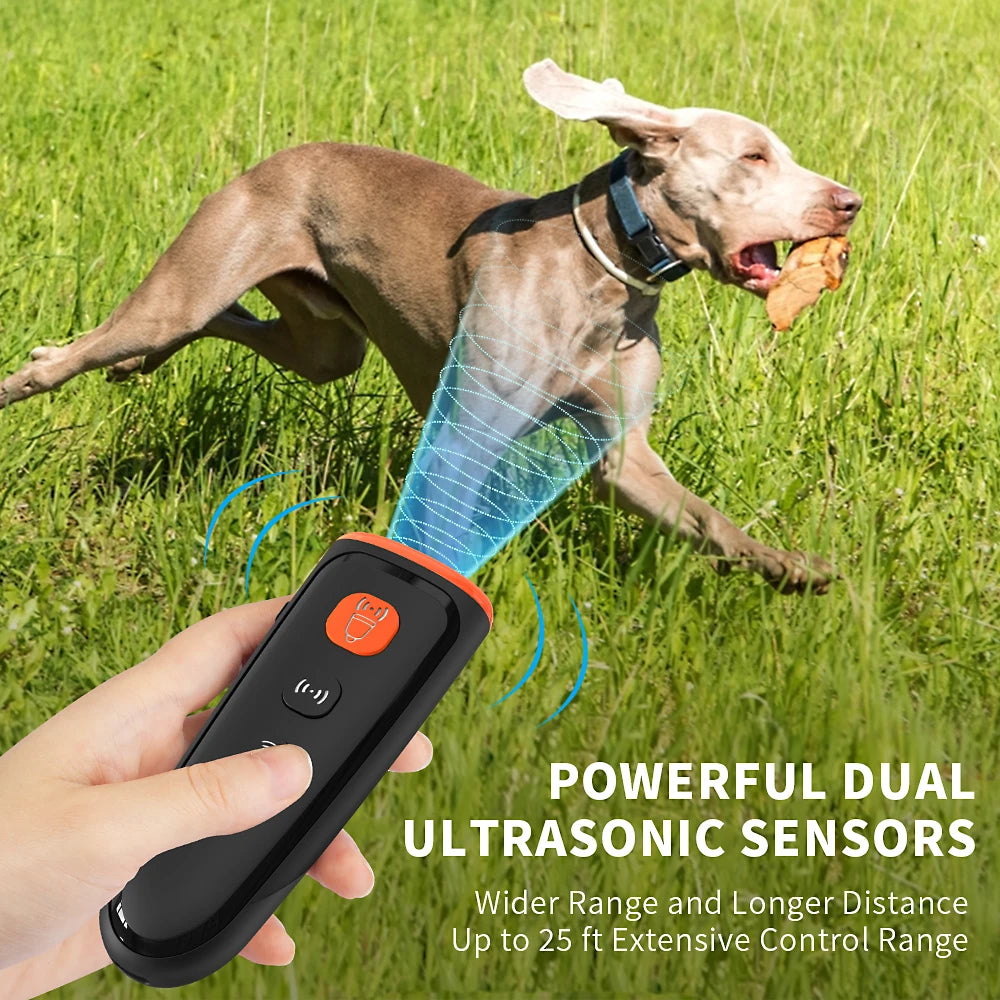
Ultrasonic sound devices function by emitting high-frequency acoustic waves that fall outside the range of human auditory perception but remain well within the sensitive hearing spectrum of domestic dogs. While humans generally hear sounds up to 20,000 Hertz (Hz), dogs possess a much broader range, capable of detecting sounds up to 45,000 Hz or higher, depending on the breed and individual health. These devices are frequently marketed as tools to discourage nuisance behaviors, such as excessive barking, by delivering an unpleasant or startling auditory signal when the dog vocalizes. The intent is to create a negative association between a specific action and the high-pitched sound, theoretically leading to a reduction in that behavior over time.
Behavioral Impacts and Sensory Considerations
The physiological impact of ultrasonic sound on a dog is rooted in the animal’s heightened sensitivity to acoustic stimuli, which can cause significant stress or confusion if applied without proper context. Because these sounds are invisible to humans, the handler may not always be aware of how frequently or intensely the device is triggering, potentially leading to unintended fear responses. When a dog cannot identify the source of a startling noise, it may develop anxiety or become fearful of the environment where the sound occurs. This unpredictability is a primary concern for those focused on Dog Behavior, as reliance on aversive stimuli—even those that are silent to humans—can undermine the trust established during the training process.
Dogs can detect sounds at frequencies as high as 45,000 Hz, which is significantly higher than the average human upper limit of 20,000 Hz. — American Kennel Club (AKC)
Managing Training Through Positive Reinforcement
Effective management of unwanted behaviors is best achieved through techniques that prioritize clarity and motivation rather than the use of invisible, startling stimuli. Instead of relying on ultrasonic deterrents, trainers often recommend identifying the underlying cause of a behavior, such as boredom, separation anxiety, or territorial guarding. By addressing the root cause, owners can redirect the dog toward more appropriate activities, such as puzzle toys, consistent exercise, or structured obedience sessions. For comprehensive guidance on building a strong foundation, owners are encouraged to explore resources on Dog Training to ensure that every interaction reinforces desired behaviors through rewards like treats, praise, or play.
Best Practices for Behavioral Modification
Successful training relies on consistency and the clear communication of expectations. When attempting to curb specific actions, focus on teaching the dog what to do instead of simply punishing what not to do. For instance, if a dog barks at passersby, teaching a “quiet” command or providing an alternative task, such as going to a designated mat, offers a constructive way for the dog to handle its environment. Avoiding the use of devices that rely on startle responses helps maintain a calm, cooperative relationship. Consistency across all household members is essential, as mixed signals can lead to frustration for both the pet and the owner.
The use of positive reinforcement—rewarding desired behaviors—is widely considered the gold standard for humane and effective canine training. — American Society for the Prevention of Cruelty to Animals (ASPCA)
Pet Care & Wellness Overview Table
| Life Stage | Daily Activity Level | Key Nutrition / Care Focus |
|---|---|---|
| Puppy / Kitten | High (frequent short bursts) | High-protein growth diet & early socialization |
| Adult Companion | Moderate (30–60 mins daily) | Balanced maintenance nutrition & dental hygiene |
| Senior Pets | Low to Gentle (mindful walks) | Joint support (Glucosamine) & routine vet checks |
Images References




Considerations for Breed, Age, and Temperament
Sensitivity to sound varies significantly across different breeds and individual dogs, necessitating a personalized approach to care. Some breeds, particularly those with a history of being alert or sensitive to environmental changes, may react more intensely to high-frequency sounds than others. Age also plays a role; puppies are in a critical socialization window where negative experiences can leave a lasting impact on their temperament, while senior dogs may have age-related hearing loss that renders ultrasonic devices ineffective. Understanding the specific history and temperament of your companion is vital for Dog Care, ensuring that training tools do not cause unnecessary distress or confusion for a vulnerable animal.
When to Consult a Professional
Persistent behavioral issues or sudden changes in a dog’s conduct should always be evaluated by a professional. If a dog exhibits signs of extreme fear, aggression, or chronic anxiety, it is essential to seek the guidance of a certified professional dog trainer or a veterinary behaviorist. These experts can conduct a thorough assessment to rule out underlying medical issues that may be contributing to the behavior. A visit to a veterinarian is also recommended to ensure the animal is not suffering from pain or sensory deficits that could affect how it perceives the world. Professional intervention provides a safe, evidence-based path toward resolving challenges that simple training tools cannot address.
Building a Harmonious Relationship
Cultivating a healthy relationship with a dog is a long-term commitment that thrives on patience, empathy, and clear communication. By prioritizing humane methods and focusing on the emotional health of the animal, owners can address behavioral concerns in a way that strengthens their bond. For further insights into maintaining the well-being of your pet, continue exploring the educational resources available at PetsAnimalsWorld.com. Whether you are looking for tips on Dog Health or general husbandry, informed and compassionate care remains the best foundation for a happy, well-adjusted companion.