Introduction
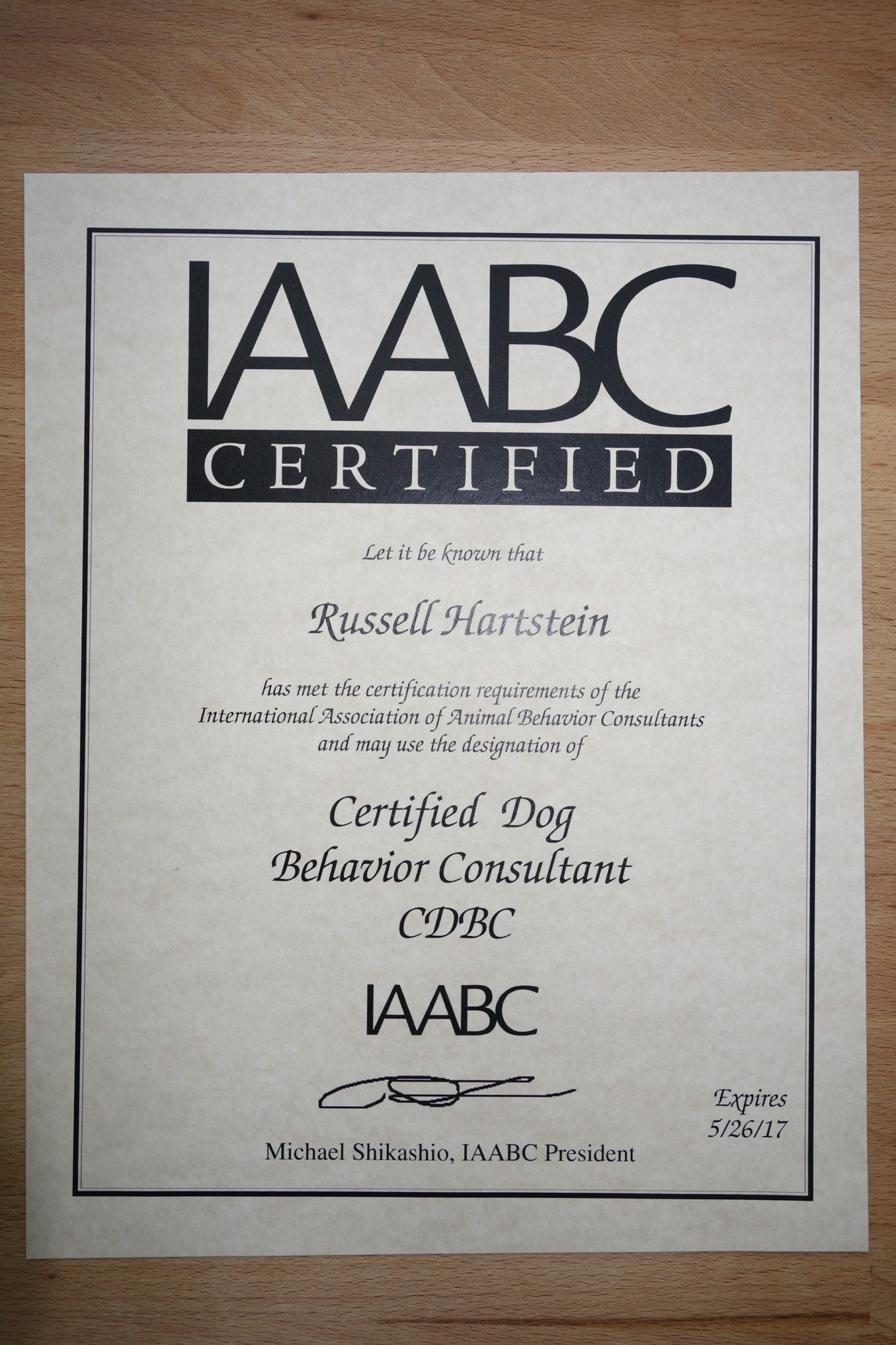
Dog behavior and meaning represent the observable physical expressions, vocalizations, and physiological responses that translate canine internal emotional states and physical wellness requirements into decipherable visual signals. According to the International Association of Animal Behavior Consultants (IAABC), interpreting these subtle canine signals accurately prevents miscommunication, reduces stress, and mitigates safety risks in domestic multi-species environments. Comprehensive understanding of Dog Behavior requires evaluating environmental triggers, neurological health, physical comfort, and nutritional status simultaneously. Pet parents and animal health caregivers optimize domestic harmony by learning to distinguish between exploratory curiosity, stress-induced displacement behaviors, and clinical pain responses. Proper evaluation ensures that abnormal actions receive prompt veterinary attention rather than ineffective punishment-based training approaches.
Pet Wellness & Behavior Snapshot:
- Core Focus: Decoding canine physical signals to assess emotional, medical, and nutritional needs.
- Target Scope: Applied companion animal care, veterinary behavior, and preventive health management.
- Key Recommendation: Address sudden behavioral shifts through immediate veterinary diagnostics before applying corrective training.
Core Principles and Detailed Overview
Canine communication relies primarily on non-verbal postural adjustments, facial micro-expressions, and acoustic variations that signal specific internal emotional states. Understanding the meaning behind pacing, lip-licking, excessive yawning, and postural lowering allows caregivers to identify acute stress before escalation occurs. Every observed action connects directly to neurological processing, sensory input from the surrounding environment, and biological homeostasis. When evaluating these expressions, caregivers must review daily routines, environmental stressors, and physical comfort levels. Furthermore, biological factors such as age, breed genetics (explored extensively under Dog Breeds), and hormonal status heavily dictate baseline reactivity and thresholds for emotional regulation.
Key Specifications and Breakdown
| Observed Indicator / Factor | Veterinary & Behavioral Explanation | Actionable Management Protocol |
|---|---|---|
| Sudden Lethargy and Withdrawal | Indicates underlying systemic illness, chronic pain, or neuroendocrine disruption requiring clinical investigation. | Schedule a comprehensive physical examination through established Dog Health protocols. |
| Destructive Chewing and Pacing | Signifies acute separation distress, sensory deprivation, or unmet cognitive stimulation requirements. | Implement structured environmental enrichment and consult modern Dog Training methodologies. |
| Pica and Dietary Indiscretion | Reflects nutritional deficiencies, malabsorption disorders, or compulsive behavioral pathologies. | Evaluate diet quality and transition to balanced formulas via professional Dog Nutrition standards. |
Clinical evaluations confirm that sudden, uncharacteristic aggression or withdrawal in companion canines frequently stems from unrecognized physical discomfort, sensory loss, or acute pain rather than willful disobedience. — American Veterinary Medical Association (AVMA)
Step-by-Step Practical Application and Guidelines
Translating observed canine actions into appropriate care responses requires a systematic, objective assessment protocol. Caregivers should first eliminate immediate environmental hazards and ensure the animal experiences physical safety. Next, monitor the specific context of the action—recording the time of day, presence of specific triggers, and physiological responses such as panting or pupil dilation. When managing daily routines, consistency in feeding, exercise, and rest supports emotional stability. Professional Dog Care standards dictate that all behavioral modifications must incorporate positive reinforcement, predictable scheduling, and routine wellness checks to ensure optimal physical and mental vitality across all life stages.
Common Challenges and How to Avoid Them
Misinterpreting canine stress signals as stubbornness or dominance represents the most frequent pitfall in domestic animal management. Caregivers frequently commit errors by punishing warning signs like growling, which inadvertently suppresses future warning signals and increases the risk of unannounced biting incidents. Avoiding these failures requires educating household members on calming signals, respecting threshold limits, and refusing to use outdated dominance-based correction methods. Additionally, failing to address sub-clinical medical issues allows mild physiological discomfort to manifest as severe behavioral abnormalities, underscoring the necessity of proactive veterinary oversight.
💬 Frequently Asked Questions
Explore More Pet Care and Animal Health Guides on PetsAnimalsWorld
Mastering companion animal behavior and health requires continuous learning across multiple disciplines of veterinary science and husbandry. Caregivers seeking advanced insights into preventive wellness, nutritional balance, and positive behavioral modification find extensive, authoritative resources available through Pets Animals World to support long-term pet vitality.
Visual Reference Gallery