Introduction
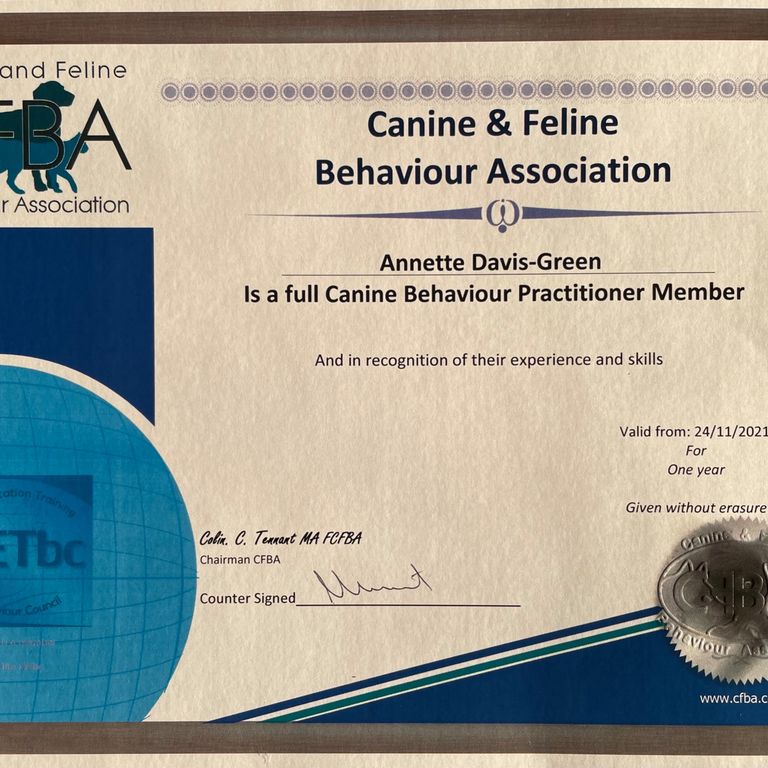
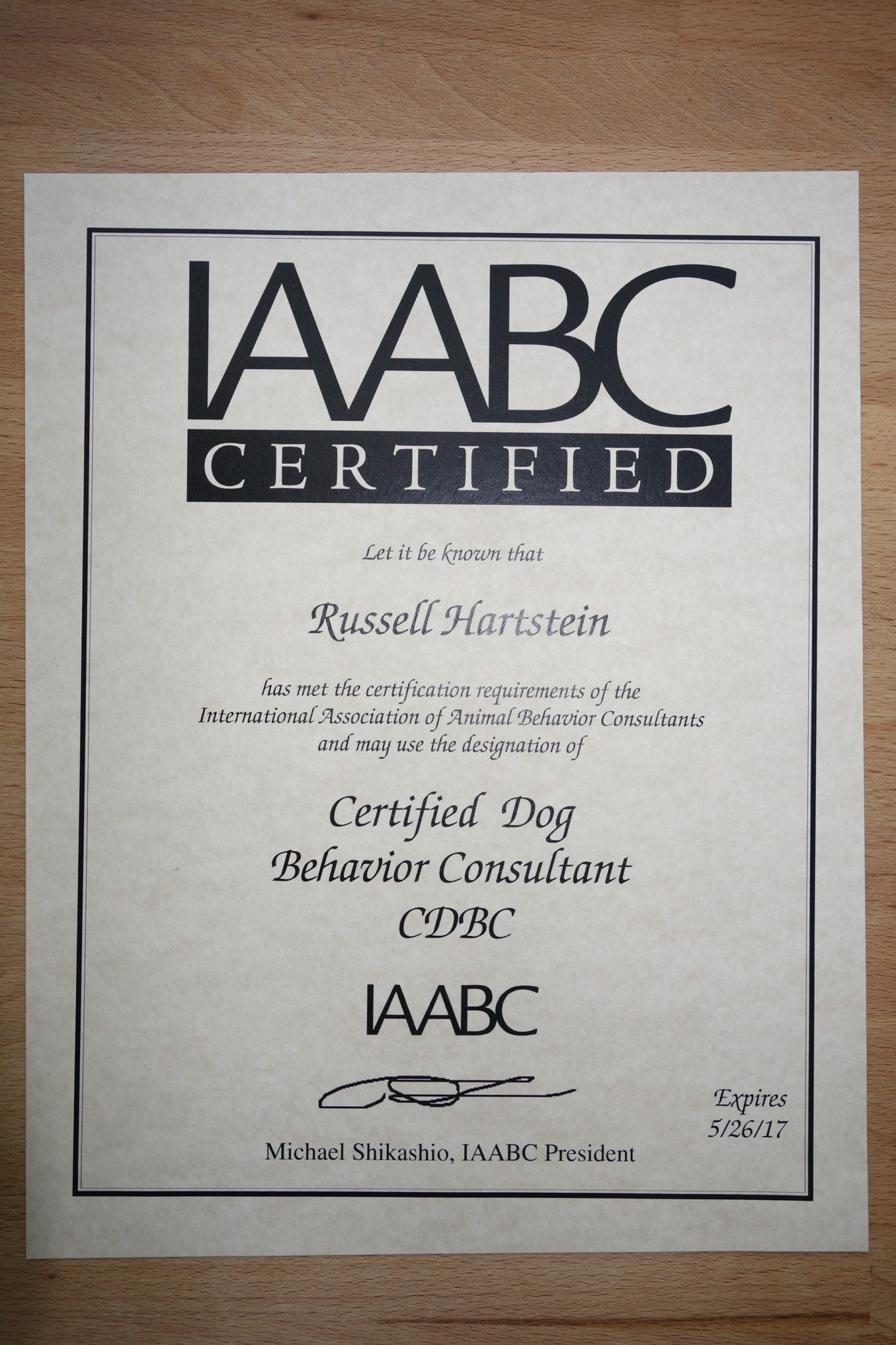
Dog behaviorist certification represents a rigorous professional credential validating specialized expertise in diagnosing, managing, and modifying complex canine psychological conditions. According to the American Veterinary Medical Association (AVMA), understanding animal behavior and integrating behavioral science into clinical veterinary medicine is critical for identifying underlying medical causes of aggression, anxiety, and compulsive disorders in domestic pets. Recognizing standardized credentials safeguards animal health by ensuring practitioners possess verified education in neurobiology, learning theory, and safe handling techniques. Proper credentials distinguish qualified specialists from unverified general trainers, protecting public safety and promoting humane companion animal care.
Pet Wellness & Behavior Snapshot:
- Core Focus: Professional credentialing standards for advanced canine behavioral modification.
- Target Scope: Clinical integration with veterinary medicine, physiological health, and Dog Health management.
- Key Recommendation: Always verify third-party accreditation bodies before hiring a behavioral specialist.
Core Principles and Detailed Overview
Dog behaviorist certification establishes essential baseline competencies spanning ethology, endocrinology, and clinical veterinary pathology to address severe behavioral pathologies comprehensively. Certified professionals evaluate environmental stressors, genetic predispositions, and potential neurological abnormalities influencing canine reactivity. This advanced oversight directly impacts Dog Behavior by combining structured counter-conditioning protocols with dietary optimization and veterinary oversight. Pet caregivers relying on certified specialists receive science-backed intervention plans that address root emotional triggers rather than merely suppressing surface-level symptoms.
Key Specifications and Breakdown
| Observed Indicator / Factor | Veterinary & Behavioral Explanation | Actionable Management Protocol |
|---|---|---|
| Sudden Canine Aggression | Underlying pain or neurological disease frequently triggers defensive biting behaviors. | Schedule a comprehensive veterinary exam before initiating any behavioral modification plan. |
| Chronic Separation Anxiety | Elevated cortisol levels disrupt homeostatic balance and compromise systemic immune function. | Implement gradual desensitization schedules alongside veterinary-prescribed anxiolytic support. |
| Compulsive Pica or Licking | Nutritional deficiencies or gastrointestinal distress can manifest as repetitive stereotypic habits. | Evaluate specialized Dog Nutrition profiles to rule out dietary gaps. |
Veterinary behavioral medicine requires a coordinated multi-disciplinary approach addressing physiological, environmental, and pharmacological factors to ensure long-term animal welfare and public safety. — American Veterinary Medical Association (AVMA)
Step-by-Step Practical Application and Guidelines
Dog behaviorist certification guidelines mandate a collaborative partnership between the credentialed specialist, the primary veterinarian, and the animal caregiver. Initial phases require a comprehensive physical examination to rule out subclinical pathologies that mimic behavioral disorders. Following medical clearance, the certified professional formulates an individualized behavior modification plan utilizing positive reinforcement, environmental management, and precise schedule adjustments. Consistent execution of these protocols ensures sustainable habituation and improves overall safety across varied domestic environments.
Common Challenges and How to Avoid Them
Dog behaviorist certification standards are frequently undermined by the presence of unregulated practitioners utilizing outdated, aversive training methodologies that exacerbate fear and aggression. Caregivers must carefully verify institutional credentials, continuing education requirements, and peer-reviewed publishing histories to avoid unqualified operators. Integrating proper Dog Care routines with structured behavioral guidance prevents regression and maintains emotional stability. Early intervention by recognized experts prevents minor behavioral deviations from escalating into severe, untreatable safety hazards.
💬 Frequently Asked Questions
Explore More Pet Care and Animal Health Guides on PetsAnimalsWorld
Expanding knowledge regarding companion animal wellness, training methodologies, and preventive health guarantees a higher quality of life for domestic animals. Caregivers seeking further authoritative resources can explore the extensive archives available directly through Pets Animals World to support responsible ownership.
Visual Reference Gallery