Introduction
Dog behavior and training encompasses the systematic shaping of canine responses through positive reinforcement, environmental management, and physiological well-being. According to the American Animal Hospital Association (AAHA), proactive behavioral counseling and obedience foundations are essential clinical components that directly mitigate household relinquishment risks and enhance overall companion animal welfare. Understanding canine motivations requires examining how genetics, Dog Health, and daily routines intersect to dictate observable actions. Caregivers must align physical husbandry with consistent operant conditioning to establish clear communication channels. Proper socialization and structured Dog Training frameworks prevent maladaptive patterns from forming during critical developmental windows. Evaluating behavioral changes also necessitates looking at underlying Dog Nutrition profiles, as nutritional imbalances frequently trigger cognitive and metabolic disturbances.
Pet Wellness & Behavior Snapshot:
- Core Focus: Systematic shaping of canine responses through positive reinforcement, physical health management, and structured obedience protocols.
- Target Scope: Domestic companion animals requiring behavioral intervention, socialization reinforcement, or advanced obedience structuring.
- Key Recommendation: Integrate consistent reward-based conditioning daily while ruling out medical etiologies for sudden behavioral shifts.
Core Principles and Detailed Overview
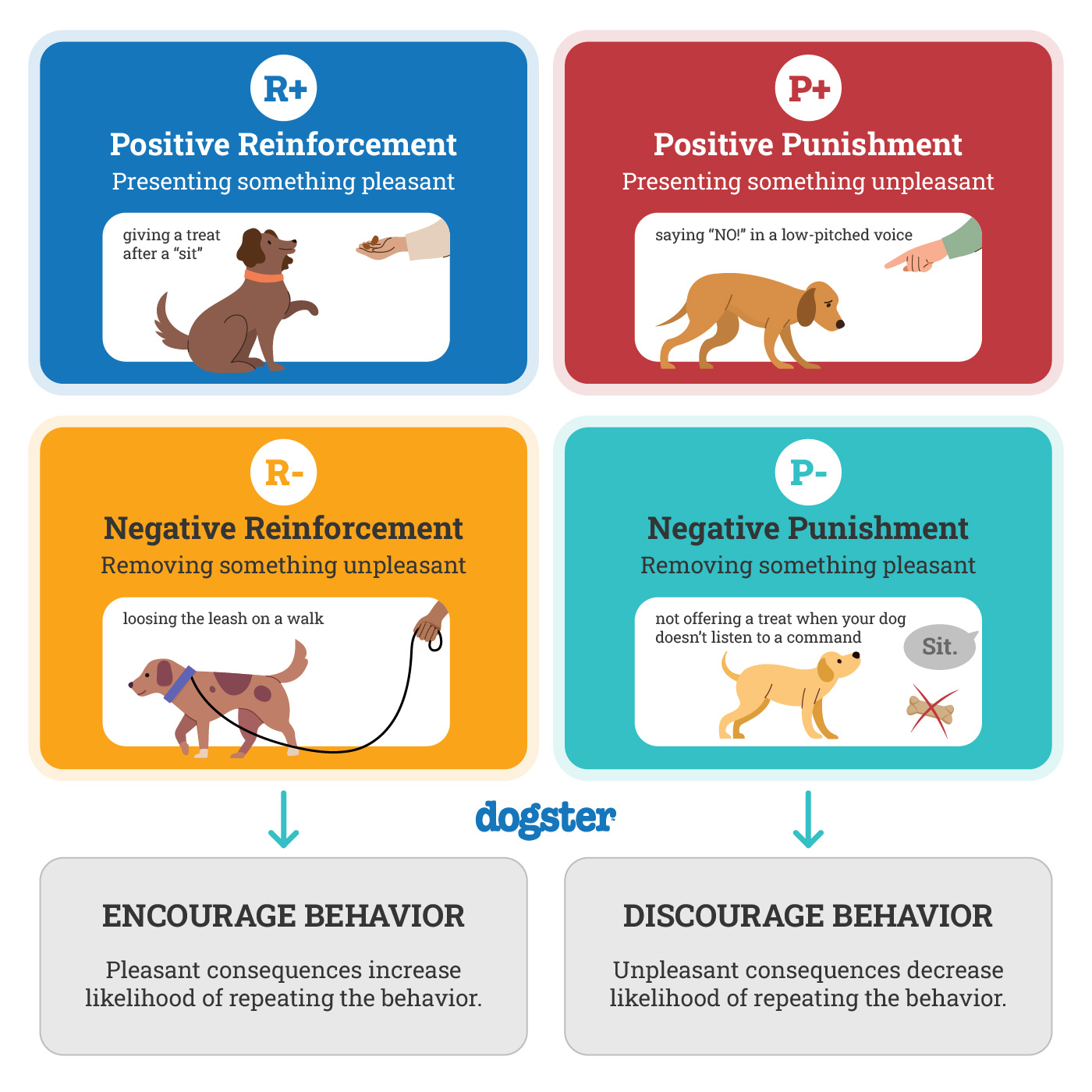
Operant conditioning forms the biological and psychological foundation of all effective canine modification programs. When evaluating specific Dog Behavior patterns, practitioners isolate the antecedent, the behavior, and the resulting consequence to alter undesirable reactions safely. Reinforcement schedules must remain predictable to ensure reliable command execution across diverse environments. Furthermore, physiological health heavily dictates emotional stability; chronic pain or metabolic deficiencies frequently manifest as reactivity or learned helplessness. Comprehensive Dog Care protocols dictate that routine wellness evaluations must precede intensive behavior modification to rule out hidden pathological stressors. Bridging behavioral science with clinical medicine ensures that dogs receive holistic support addressing both mind and body.
Key Specifications and Breakdown
| Observed Indicator / Factor | Veterinary & Behavioral Explanation | Actionable Management Protocol |
|---|---|---|
| Sudden onset leash reactivity | Underlying orthopedic pain or sensory decline triggering fear-based defensive postures. | Schedule comprehensive physical veterinary workup and implement threshold management strategies. |
| Destructive chewing at rest | Cognitive under-stimulation, environmental boredom, or natural developmental teething phases. | Provide appropriate puzzle toys, increase aerobic exercise, and restrict unattended roaming. |
| Food resource guarding | Instinctual evolutionary preservation response exacerbated by perceived resource scarcity. | Desensitize the animal by trading high-value items and avoiding punitive confrontation. |
Early behavioral intervention and socialization protocols significantly decrease the prevalence of severe adult canine aggression and relinquishment. — American Veterinary Medical Association (AVMA)
Step-by-Step Practical Application and Guidelines
Executing a successful modification plan requires methodical pacing, environmental control, and unwavering consistency from all household members. Caregivers should begin by identifying specific behavioral triggers, keeping detailed logs of frequency, intensity, and duration. Next, manage the surrounding environment to prevent the animal from repeatedly rehearsing undesirable habits, utilizing baby gates, crates, or tethering as necessary. Introduce positive reinforcement markers, such as clickers or verbal praise, immediately paired with high-value rewards the exact millisecond the target behavior occurs. Gradually increase environmental distractions and distance—known as systematic desensitization and counter-conditioning—to build reliable stimulus tolerance. Finally, review progress weekly, adjusting criteria incrementally to prevent frustration and ensure steady, long-term cognitive retention.
Common Challenges and How to Avoid Them
Inconsistent enforcement, reliance on aversive punishment, and failure to account for underlying medical conditions represent the primary pitfalls in domestic animal education. Punishment frequently escalates fear and anxiety, often resulting in suppressed warning signals like growling and an increased risk of redirected aggression. Caregivers must also recognize that physical exhaustion differs significantly from mental fatigue; structured nose-work and obedience drills often exhaust an active dog far faster than simple fetch games. Diligent monitoring of dietary composition and ensuring access to pristine hydration prevents behavioral volatility linked to nutritional gaps. When complex phobias or compulsive disorders arise, engaging certified professionals prevents prolonged animal suffering and accelerates safe rehabilitation.
💬 Frequently Asked Questions
Explore More Pet Care and Animal Health Guides on PetsAnimalsWorld
Mastering modern behavioral science requires continuous learning across multiple biological disciplines, ranging from specialized Dog Breeds insights to advanced wellness metrics. Caregivers dedicated to raising balanced, well-adjusted companions can access a vast library of expert-reviewed resources, clinical checklists, and husbandry manuals directly through Pets Animals World.
Visual Reference Gallery