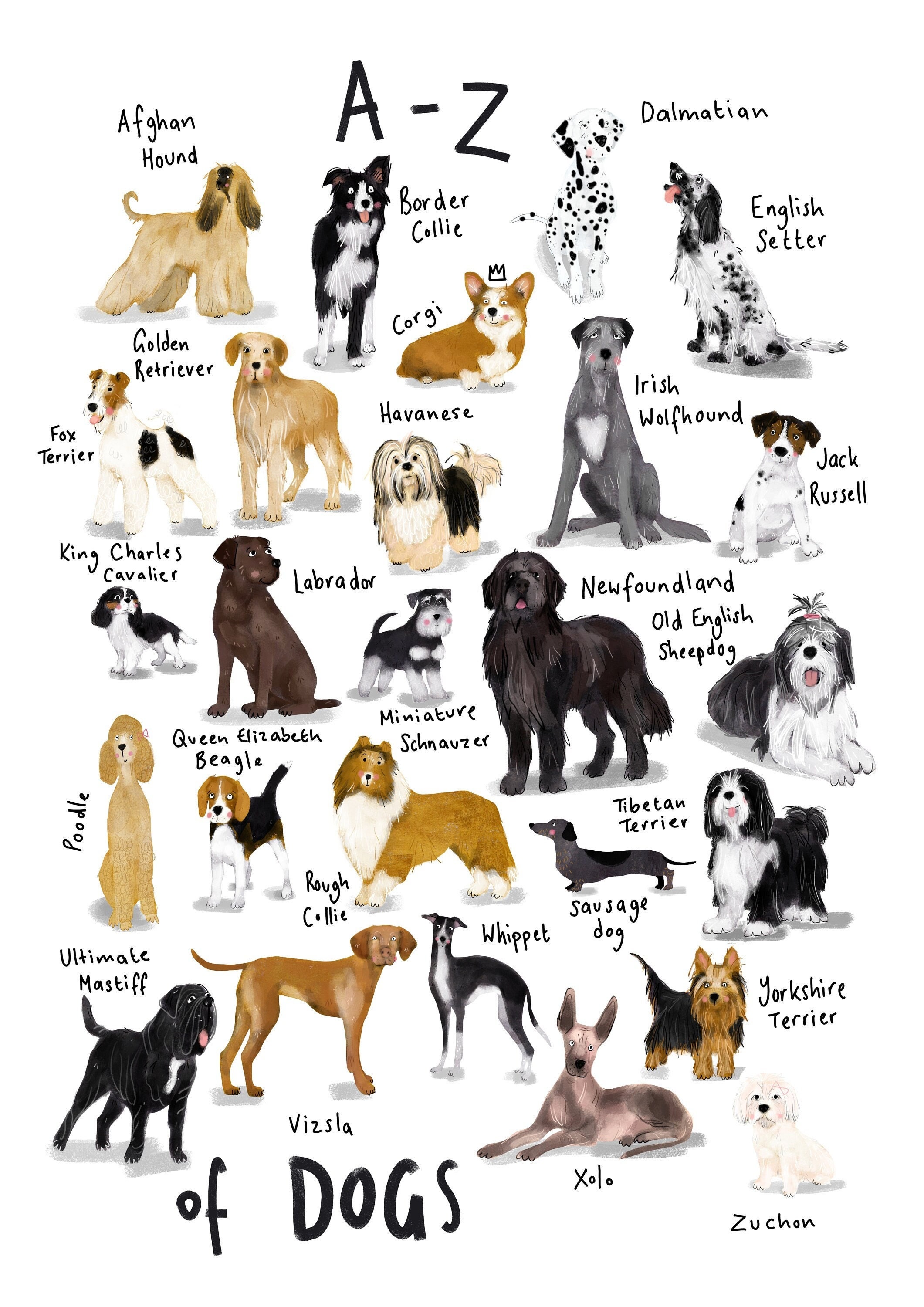
Introduction
A dog breeds quiz serves as an educational tool to match canine genetic traits, physical configurations, and temperamental predispositions with appropriate husbandry protocols. According to the American Animal Hospital Association (AAHA), understanding specific breed characteristics is vital for optimizing lifelong veterinary preventative medicine and behavioral management. Accurately identifying a canine lineage through interactive assessments or professional DNA panels directly influences medical screening protocols, preventive healthcare plans, and targeted Dog Training strategies. Companion animal professionals utilize these insights to tailor environmental enrichment, anticipate breed-specific pathologies, and formulate optimal Dog Nutrition regimens. Recognizing underlying ancestry prevents mismatched expectations between caretakers and animals, thereby reducing relinquishment rates and fostering harmonious households.
Pet Wellness & Behavior Snapshot:
- Core Focus: Utilizing a dog breeds quiz to align ancestry with customized healthcare, nutrition, and behavioral management.
- Target Scope: Applied across mixed-breed and purebred dogs to predict medical vulnerabilities and temperament.
- Key Recommendation: Combine visual assessment quizzes with professional veterinary evaluations for accurate health baselines.
Core Principles and Detailed Overview
Breed identification algorithms and interactive questionnaires evaluate phenotypic traits such as cranial structure, ear set, coat density, and skeletal proportions to estimate ancestral makeup. Clinical evaluation of Dog Behavior often reveals inherited drive levels, such as herding instincts, guarding tendencies, or high-energy predatory sequences, which must be safely channeled through structured outlets. Because mixed-breed dogs inherit a diverse combination of physiological traits, understanding these genetic inputs dictates proactive screening schedules for conditions like hip dysplasia, brachycephalic airway syndrome, or inherited cardiac anomalies. Integrating breed insights into daily routines prevents secondary behavioral manifestations born from under-stimulation or inappropriate handling techniques.
Key Specifications and Breakdown
| Observed Indicator / Factor | Veterinary & Behavioral Explanation | Actionable Management Protocol |
|---|---|---|
| Cranial & Jaw Morphology | Determines susceptibility to dental crowding, periodontal disease, and respiratory obstruction. | Implement customized dental hygiene regimens and monitor environmental temperatures closely. |
| Coat Type & Density | Dictates thermal regulation capacity, skin vulnerability, and ectoparasite retention risks. | Schedule specific grooming frequencies and apply tailored topical parasite preventatives. |
| Inherited Drive Level | Drives instinctive working behaviors, reactivity thresholds, and mental stimulation requirements. | Provide species-appropriate mental tasks and consistent obedience structuring to redirect energy. |
Preventative healthcare decisions must integrate verifiable genetic predispositions alongside regular physical examinations to ensure optimal long-term welfare outcomes. — American Veterinary Medical Association (AVMA)
Step-by-Step Practical Application and Guidelines
Implementing the results of a dog breeds quiz requires a systematic approach to update preventive Dog Health protocols and daily routines. Caregivers should first cross-reference quiz outcomes with phenotypic observations and veterinary records to establish a reliable baseline of probable traits. Next, practitioners and pet parents must collaborate to update vaccination schedules, parasite control programs, and diagnostic screening frequencies tailored to the identified group risks. Dietary formulations require careful adjustment based on anticipated adult weight, metabolic rate, and breed-specific sensitivities to prevent obesity and musculoskeletal strain. Finally, structuring daily exercise and environmental enrichment around the dog’s inherited working or companion drives ensures psychological well-being and prevents destructive behavioral outlets.
Common Challenges and How to Avoid Them
Relying exclusively on visual traits without considering complex genetic diversity remains a frequent pitfall when evaluating mixed-breed animals. Environmental conditioning, socialization history, and learned experiences heavily modulate baseline instincts, meaning that breed heritage alone does not dictate an individual animal’s behavior. Caregivers must avoid misinterpreting normal communicative signals as aggression or failing to provide adequate mental engagement for high-drive lineages. Consulting certified companion animal behaviorists and licensed veterinary professionals helps bridge the gap between generalized breed profiles and the specific medical or behavioral needs of the individual animal.
💬 Frequently Asked Questions
Explore More Pet Care and Animal Health Guides on PetsAnimalsWorld
Empowering companion animal caregivers with accurate, science-backed knowledge remains paramount for fostering lifelong animal wellness across all species of Pets. Readers are encouraged to explore the comprehensive resource library maintained at Pets Animals World for further educational materials spanning veterinary medicine, behavioral science, and optimal husbandry practices.
Visual Reference Gallery