Introduction
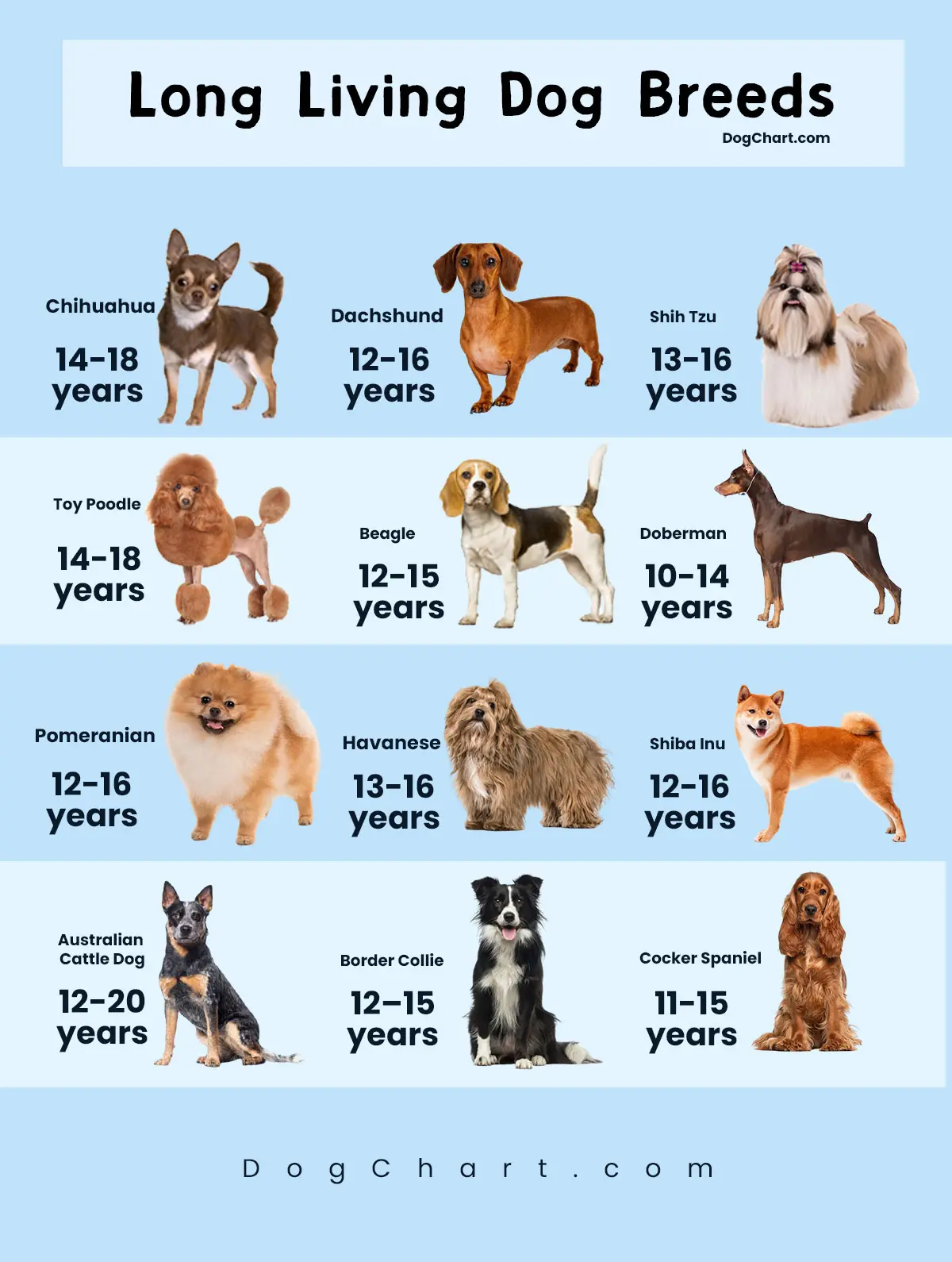
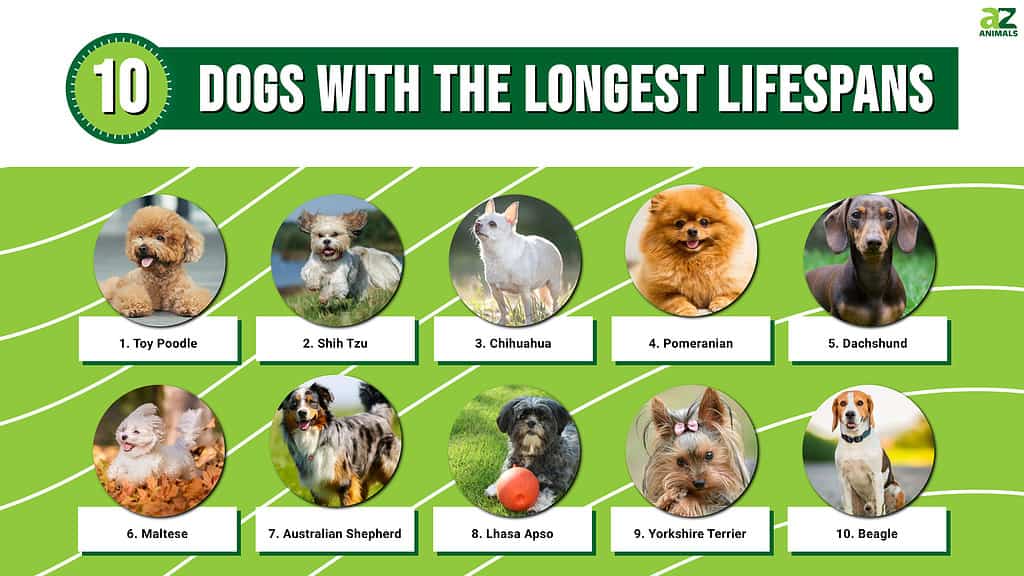
Dog breeds that live the longest consistently include smaller canine varieties such as Chihuahuas, Miniature Poodles, and Jack Russell Terriers, which frequently achieve lifespans exceeding fifteen years. According to the American Animal Hospital Association (AAHA), proactive veterinary wellness examinations combined with targeted nutritional programs significantly influence longevity outcomes across all diminutive and medium-sized companion animals. Understanding the physiological and behavioral traits of these resilient animals empowers caregivers to optimize health management throughout every life stage. Within the broader categories of Dog Breeds, understanding scale-specific aging patterns ensures effective lifelong planning.
Pet Wellness & Behavior Snapshot:
- Core Focus: Longevity metrics and health maintenance strategies for long-living canine breeds.
- Target Scope: Companion animal caregivers managing senior pets and preventative healthcare.
- Key Recommendation: Maintain lean body condition scores and execute bi-annual veterinary wellness evaluations.
Core Principles and Detailed Overview
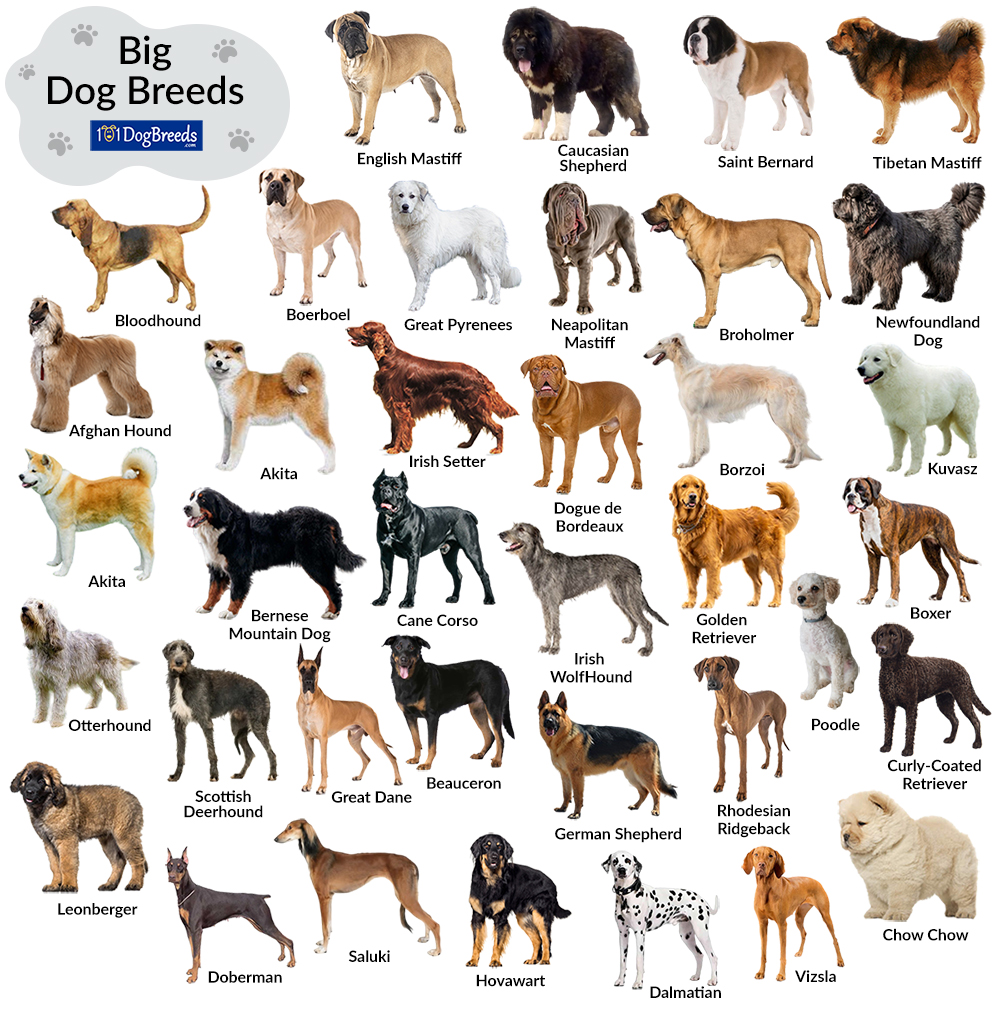
Dog breeds that live the longest share specific metabolic and anatomical profiles that reduce cellular wear compared to giant breeds. Metabolic rates, genetic predisposition to degenerative disorders, and endocrine regulation dictate how rapidly a canine ages. Smaller dogs experience slower cellular division rates and lower overall oxidative stress relative to their massive counterparts, allowing vital organs to maintain functional integrity over extended periods. Implementing structured Dog Health monitoring protocols allows caregivers to detect early signs of age-related cognitive decline or metabolic shifts before clinical pathology becomes irreversible. Proper physical conditioning directly supports joint stability and neurological function in aging long-lived companions.
Key Specifications and Breakdown
| Observed Indicator / Factor | Veterinary & Behavioral Explanation | Actionable Management Protocol |
|---|---|---|
| Body Condition Score (BCS) | Excess adipose tissue triggers systemic inflammation, accelerating cardiovascular and endocrine disease in small dogs. | Maintain optimal weight through strict portion control and calorie tracking. |
| Canine Cognitive Function | Age-related neural degeneration causes disorientation, sleep cycle disruption, and altered social interactions. | Provide environmental enrichment, interactive puzzle toys, and consistent daily routines. |
| Periodontal Health | Advanced dental disease introduces systemic bacterial loads that compromise cardiac and renal function. | Execute daily tooth brushing alongside professional veterinary cleanings under anesthesia. |
Preventative veterinary oversight and routine diagnostic screenings remain the cornerstone of extending companion animal healthspans. — American Veterinary Medical Association (AVMA)
Step-by-Step Practical Application and Guidelines
Dog breeds that live the longest require structured lifestyle adjustments to maximize both healthspan and behavioral stability as senescence approaches. Caregivers must first establish a baseline veterinary profile through comprehensive blood panels, thyroid assays, and orthopedic evaluations by year seven of life. Second, precision Dog Nutrition must be tailored to shifting metabolic needs, replacing high-calorie formulas with senior-specific diets rich in antioxidants and Omega-3 fatty acids. Third, behavioral enrichment must adapt to declining sensory acuity by utilizing tactile and olfactory cues rather than relying solely on visual tracking. Finally, maintaining low-impact physical exercise preserves muscle mass and joint lubrication without inducing excessive wear on fragile skeletal structures.
Common Challenges and How to Avoid Them
Dog breeds that live the longest frequently suffer from delayed diagnosis of chronic conditions because caregivers misinterpret subtle behavioral changes as normal aging. Subtle shifts in house-soiling habits, reluctance to climb stairs, or increased vocalization often indicate underlying medical distress such as canine cognitive dysfunction or osteoarthritis rather than mere stubbornness. Overlooking dental hygiene leads to severe periodontal infection, which directly undermines systemic health across geriatric patients. Integrating structured behavioral observations with the guidance found in Dog Care resources prevents common oversight errors and ensures rapid veterinary intervention when symptoms first emerge.
💬 Frequently Asked Questions
Explore More Pet Care and Animal Health Guides on PetsAnimalsWorld
Expanding knowledge regarding longevity, preventative medicine, and behavioral health ensures optimal welfare for aging canine companions across all life stages. Caregivers seeking further insights into animal companionship can explore additional educational resources provided directly through Pets Animals World.
Visual Reference Gallery