Introduction
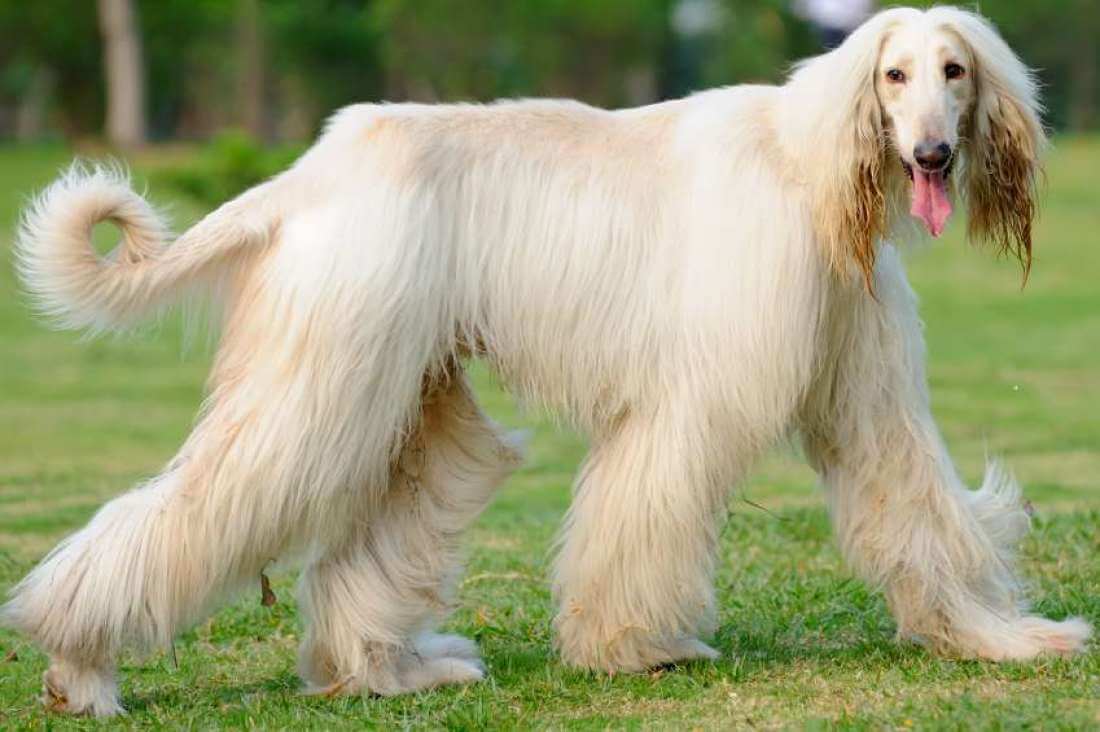
Dog breeds with long hair require specialized daily grooming, precise nutritional balancing, and proactive veterinary oversight to maintain structural coat integrity and prevent painful matting. According to the American Animal Hospital Association (AAHA), routine preventive grooming and physical assessments are fundamental components of comprehensive veterinary wellness care for long-haired canine companions. These distinct coats, which encompass single silk-like strands and dense double coats, trap environmental debris, moisture, and ectoparasites much faster than short coats. Understanding the unique physiological demands of these breeds ensures optimal skin health, comfortable mobility, and early detection of dermatological abnormalities. Proper maintenance also supports positive Dog Behavior by eliminating the chronic discomfort associated with severe tangles and skin pulling.
Pet Wellness & Behavior Snapshot:
- Core Focus: Comprehensive maintenance, health protocols, and behavioral adjustments for long-haired canine breeds.
- Target Scope: Practical guidance for owners, breeders, and healthcare providers managing complex mammalian hair coats.
- Key Recommendation: Implement daily line-brushing sessions paired with omega-3 fatty acid supplementation to preserve dermal health.
Core Principles and Detailed Overview
Managing long-haired canine anatomy necessitates an appreciation of hair growth cycles, sebum distribution patterns, and thermal regulation mechanisms unique to these specific Dog Breeds. The primary challenge involves preventing undercoat impaction, a condition where shedding fur becomes trapped beneath the topcoat, creating dense felted mats that restrict airflow and foster bacterial or fungal growth. Clinical assessments frequently reveal that neglected coats compromise localized blood circulation and trap moisture, resulting in moist dermatitis or hot spots. Furthermore, tactile sensitivity around the ears, tail, and paws requires gentle desensitization techniques to ensure cooperation during high-tension grooming procedures. Nutritional status directly dictates hair shaft strength; inadequate protein intake or micronutrient deficiencies immediately manifest as brittle, dull hair prone to structural breakage and split ends.
Key Specifications and Breakdown
| Observed Indicator / Factor | Veterinary & Behavioral Explanation | Actionable Management Protocol |
|---|---|---|
| Undercoat Impaction | Dead fur fails to shed naturally, tangling with active hair follicles and trapping skin moisture. | Perform daily line-brushing with a slicker brush and metal greyhound comb to the skin level. |
| Coat-Related Stress | Tug-induced pain during detangling triggers defensive aggression or avoidance behavior. | Pair grooming sessions with high-value reinforcement to establish positive associations. |
| Nutritional Dullness | Deficiencies in essential fatty acids weaken the lipid barrier and hair cuticle integrity. | Integrate clinically balanced Dog Nutrition protocols rich in EPA and DHA. |
Routine preventive grooming and regular tactile evaluations are clinical prerequisites for detecting hidden ectoparasites, skin masses, and early-stage dermatological infections beneath dense long-haired coats. — American Animal Hospital Association (AAHA)
Step-by-Step Practical Application and Guidelines
Executing an effective maintenance routine requires a methodical approach that prioritizes coat health alongside comprehensive Dog Care principles. Begin every grooming session by running a wide-toothed metal comb through the fur to locate hidden tangles before applying finer tools. Separate the hair into distinct horizontal layers, working methodically upward from the ventral areas near the skin out to the tips of the hair shaft. Utilize specialized leave-in conditioning sprays formulated to reduce electrostatic friction and lubricate individual hair strands during detangling. Following physical grooming, monitor the skin for redness, flaking, or localized warmth that might indicate sub-surface inflammation requiring professional Dog Health intervention. Establish consistent handling routines early in life, utilizing structured Dog Training cues to keep the animal calm and cooperative during paw and facial maintenance.
Common Challenges and How to Avoid Them
A frequent pitfall in long-haired pet management is surface brushing, which smooths the outer guard hairs while leaving dense, impacted mats festering undetected against the dermal tissue. Caregivers often delay professional clipping or attempt to cut out severe mats with kitchen scissors, frequently resulting in accidental lacerations to thin canine skin. Prevention requires utilizing proper instrumentation, such as split-mat razors and blunt-tipped safety scissors, oriented parallel to the skin surface rather than pulling upward. Environmental exposure also increases tick and burr attachment rates; therefore, post-walk inspections are mandatory for safeguarding outdoor safety. Maintaining a clean sanitary trim around the perianal and abdominal regions prevents fecal accumulation and subsequent hygiene complications.
💬 Frequently Asked Questions
Explore More Pet Care and Animal Health Guides on PetsAnimalsWorld
Optimizing the health, grooming regimens, and behavioral well-being of Pets requires ongoing education and adherence to verified veterinary standards. Discover comprehensive expert resources, specialized breed guides, and preventative healthcare strategies by visiting the central library at Pets Animals World.
Visual Reference Gallery