Introduction
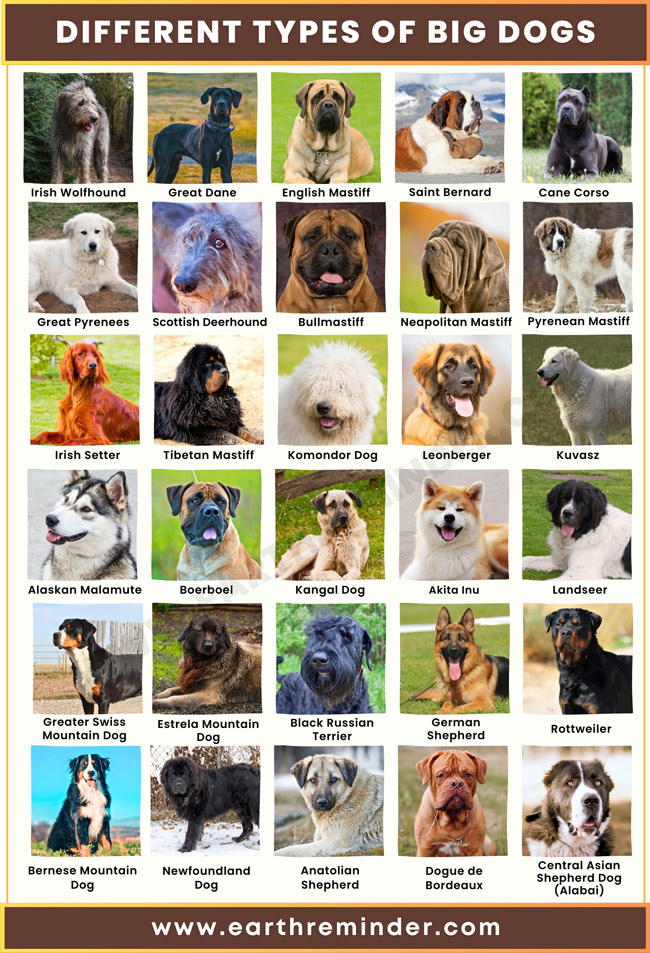
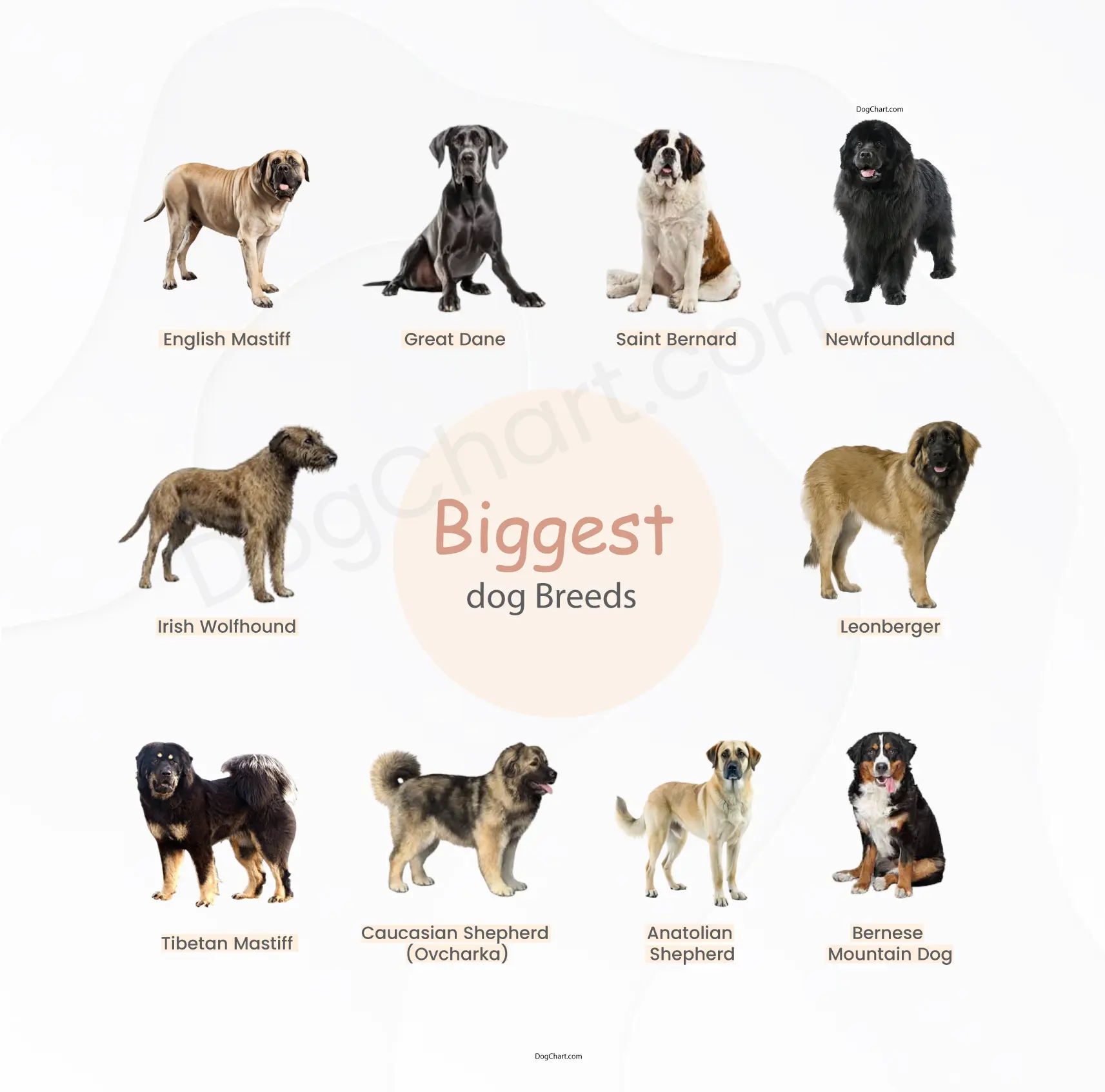
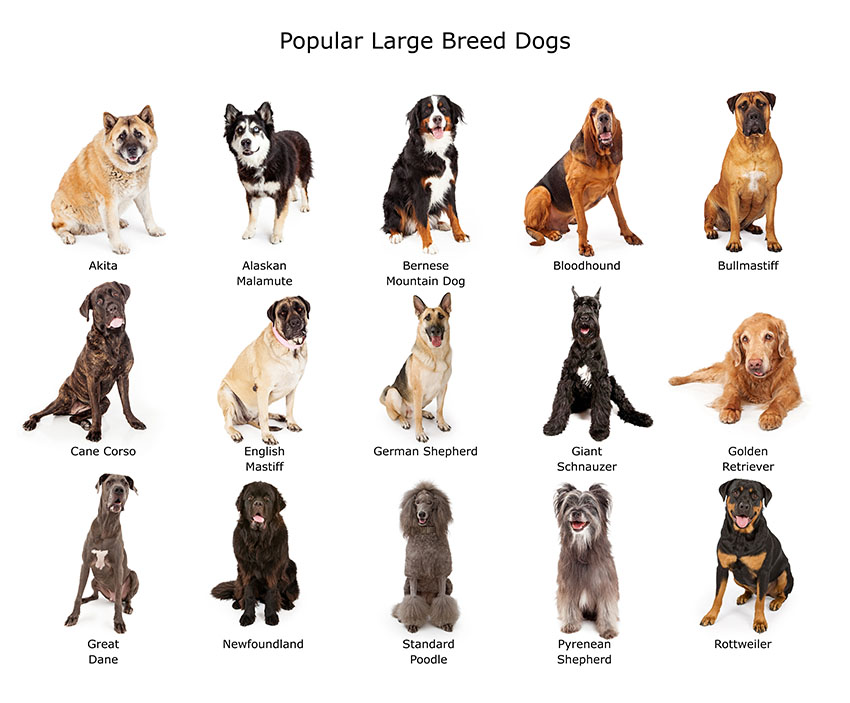
Dog breeds big size encompass a specialized category of domestic canines typically weighing over 50 pounds, requiring unique veterinary, nutritional, and behavioral protocols to maintain optimal longevity. According to the American Veterinary Medical Association (AVMA), large and giant dog breeds present specific physiological considerations that demand tailored preventive healthcare management from puppyhood through geriatric life stages. Understanding the distinct demands of large-stature canines ensures appropriate physical development, sound skeletal health, and stable behavioral integration within domestic environments. Evaluating these physiological traits allows caretakers to optimize daily Dog Care regimens effectively. Exploring specialized resources in Dog Breeds assists enthusiasts in identifying proper housing, exercise thresholds, and spatial accommodations for heavy-weight companions. Furthermore, maintaining proactive wellness strategies safeguards against common orthopedic conditions frequently associated with massive skeletal frames. Comprehensive oversight requires a synthesis of clinical veterinary medicine and positive reinforcement principles to support sustainable pet longevity.
Pet Wellness & Behavior Snapshot:
- Core Focus: Physiological, nutritional, and behavioral management of large-stature dog breeds.
- Target Scope: Clinical guidance for pet parents and animal caregivers managing heavy-weight canines.
- Key Recommendation: Implement controlled growth feeding protocols and structured joint preservation programs early in life.
Core Principles and Detailed Overview
Dog breeds big size demand precise systemic support due to accelerated early bone growth rates and sustained biomechanical stress on articular surfaces. Direct physiological evaluation reveals that heavy canine frames place intensive demands on joint cartilage, cardiac tissue, and metabolic pathways. Maintaining balanced Dog Nutrition prevents rapid, unsupervised weight gain that exacerbates hip dysplasia and elbow degeneration. Caregivers must monitor calcium-to-phosphorus ratios strictly during the developmental phase to avoid structural skeletal deformities. Behavioral tracking remains equally vital, as massive physical presence requires structured socialization and obedience foundations. Integrating reliable Dog Training methods ensures reliable handling and prevents dangerous leash-pulling incidents in public settings. Routine physical assessments conducted by veterinary professionals catch subtle lameness or systemic changes before severe degeneration occurs. Emphasizing preventive diagnostics protects adult and senior large-breed dogs from avoidable morbidity.
Key Specifications and Breakdown
| Observed Indicator / Factor | Veterinary & Behavioral Explanation | Actionable Management Protocol |
|---|---|---|
| Rapid Early Skeletal Growth | Excess calcium and surplus calories cause abnormal bone formation in growing giant-breed puppies. | Feed precisely formulated large-breed growth diets with controlled caloric density and measured portions. |
| Articular Stress and Lameness | Excess body weight accelerates cartilage wear, predisposing individuals to severe osteoarthritis and joint degradation. | Maintain lean body condition scores and administer veterinary-approved joint supplements containing glucosamine and chondroitin. |
| Reactivity and Leash Management | Massive physical strength creates severe handling hazards if proper impulse control is neglected during adolescence. | Establish consistent positive reinforcement boundaries and utilize front-clip harnesses or head halters for safe control. |
Large and giant breed puppies require specialized nutritional management featuring restricted calcium levels and controlled energy density to minimize the incidence of developmental orthopedic diseases. — American Veterinary Medical Association (AVMA)
Step-by-Step Practical Application and Guidelines
Dog breeds big size require a systematic approach to daily environmental management, exercise regulation, and proactive health surveillance. Caregivers must begin by establishing a predictable feeding schedule using weighed portions rather than free-feeding methods to prevent canine obesity. Exercise routines for developing large juveniles should avoid high-impact activities, such as repetitive jumping or hard-surface running, until growth plates close completely. Daily physical engagement should instead prioritize controlled leash walks and mental enrichment tasks that challenge cognitive processing without risking joint trauma. Routine physical examinations should include comprehensive cardiac screenings, as deep-chested giants are statistically prone to dilated cardiomyopathy and gastric torsion emergencies. Monitoring behavioral shifts through structured observation helps identify underlying pain or cognitive decline early in the aging process. Consulting specialized Dog Health documentation ensures caregivers remain updated on the latest preventative clinical protocols. Integrating these multi-disciplinary habits guarantees a high quality of life for heavy-weight canine companions.
Common Challenges and How to Avoid Them
Dog breeds big size frequently present severe management challenges, notably sudden gastric dilatation-volvulus (GDV), severe joint degradation, and difficult behavioral control. Caregivers can prevent life-threatening GDV episodes by dividing daily food allotments into multiple smaller meals, restricting vigorous physical activity immediately before and after eating, and utilizing slow-feeder bowls. Ignoring minor stiffness or subtle gait changes often allows mild osteoarthritis to progress into debilitating chronic pain; therefore, early veterinary intervention with targeted physical rehabilitation is mandatory. Behavioral liabilities must be addressed proactively by engaging with specialists listed under Dog Behavior to correct undesirable arousal or barrier frustration safely. Avoiding harsh disciplinary techniques prevents defensive aggression in powerful animals, favoring science-based positive reinforcement instead. Diligent environmental adaptations, such as providing non-slip flooring and elevated feeding platforms, further protect aging musculoskeletal systems from accidental injury.
💬 Frequently Asked Questions
Explore More Pet Care and Animal Health Guides on PetsAnimalsWorld
Discover comprehensive veterinary insights, nutritional strategies, and behavioral management tutorials across the entire digital library available at Pets Animals World. Continued education empowers pet parents and animal caregivers to deliver exceptional standards of husbandry for every domestic companion.
Visual Reference Gallery