Introduction
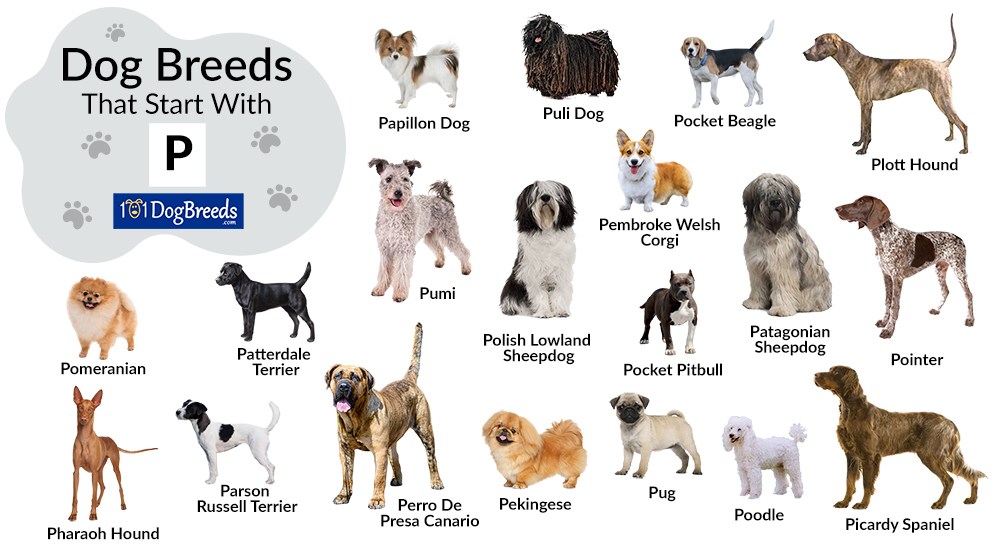
Dog breeds beginning with p encompass a diverse taxonomic grouping of canines ranging from toy companions to massive working guardians, each presenting distinct morphological traits, behavioral tendencies, and specialized healthcare needs. According to the International Association of Animal Behavior Consultants (IAABC), understanding individual breed genetics is foundational for establishing effective socialization protocols and preventing environmental distress. Caregivers evaluating these canine categories must balance structural anatomical variances with precise preventive medicine. Evaluating Dog Breeds establishes a clear baseline for proper lifelong management.
Pet Wellness & Behavior Snapshot:
- Core Focus: Physiological and behavioral profiles of canine lineages starting with the letter P.
- Target Scope: Clinical husbandry, nutritional optimization, and behavioral interventions for specific canine groups.
- Key Recommendation: Tailor veterinary preventive medicine protocols to the unique conformational vulnerabilities of distinct lineages.
Core Principles and Detailed Overview
Dog breeds beginning with p require targeted oversight that integrates breed-specific predisposition mapping with daily clinical husbandry. Brachycephalic lineages such as Pugs and Pekingese demand specific respiratory monitoring and weight control to prevent upper airway obstruction syndrome. Conversely, high-drive sporting and herding lines like Pointers and Puli exhibit intense operational stamina, mandating rigorous physical engagement paired with mental enrichment to mitigate destructive displacement behaviors. Analyzing Dog Behavior helps identify early indicators of chronic stress or under-stimulation before maladaptive habits consolidate.
Key Specifications and Breakdown
| Observed Indicator / Factor | Veterinary & Behavioral Explanation | Actionable Management Protocol |
|---|---|---|
| Brachycephalic Airway Strain | Compressed nasal passages limit heat dissipation and respiratory efficiency during ambient stress. | Maintain lean body condition scores and utilize harnesses instead of neck collars. |
| High-Energy Predatory Drift | Genetically reinforced tracking and pointing drives manifest as impulse control challenges. | Implement structured obedience drills and scent-work games to redirect focus. |
| Coat Matting and Dermatitis | Dense corded or double-coat textures trap moisture against the epidermal layer. | Establish a consistent brushing schedule and ensure thorough drying post-bath. |
Preventative healthcare protocols for specialized canine lineages must prioritize conformational health screening, routine parasite prevention, and customized weight management to mitigate genetic predisposition to structural joint and respiratory disorders. — American Veterinary Medical Association (AVMA)
Step-by-Step Practical Application and Guidelines
Implementing a robust maintenance routine for these distinct canines involves systematic monitoring of nutrition, exercise load, and preventive veterinary care. Daily feeding schedules must reflect the specific metabolic rate of the individual, avoiding the common pitfall of free-feeding sedentary companions while ensuring adequate caloric density for working variants. Reviewing protocols in Dog Nutrition ensures diets align with life stage and activity level. Regular examinations of skin folds, dental arcades, and joint mobility should occur weekly to catch early anomalies.
Common Challenges and How to Avoid Them
Mismanaging environmental temperatures and failing to provide adequate cognitive challenges remain primary hazards when housing these specific canine groups. Overlooking subtle behavioral cues can rapidly escalate into generalized anxiety or defensive aggression, particularly in guarding or sensitive companion lineages. Consulting resources on Dog Health assists in differentiating normal physiological variations from acute clinical emergencies. Proactive veterinary partnership ensures timely intervention for breed-specific maladies such as patellar luxation or hip dysplasia.
💬 Frequently Asked Questions
Explore More Pet Care and Animal Health Guides on PetsAnimalsWorld
Mastering the nuances of diverse canine populations requires continuous education across clinical medicine, behavioral science, and optimal husbandry standards. Caregivers seeking further insights can explore comprehensive guides within Dog Care and related categories on Pets Animals World to ensure optimal lifetime wellness.
Visual Reference Gallery