Introduction
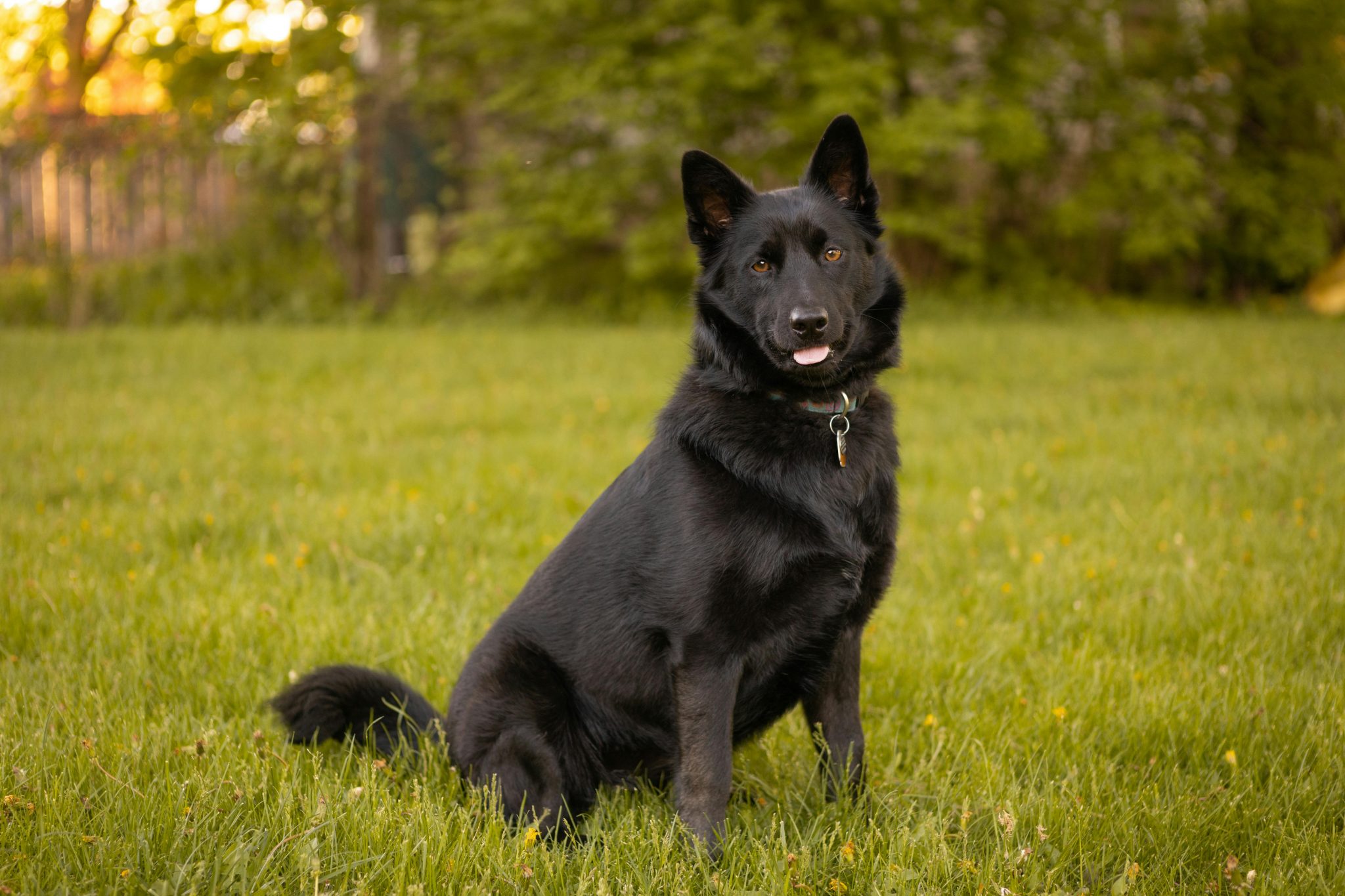
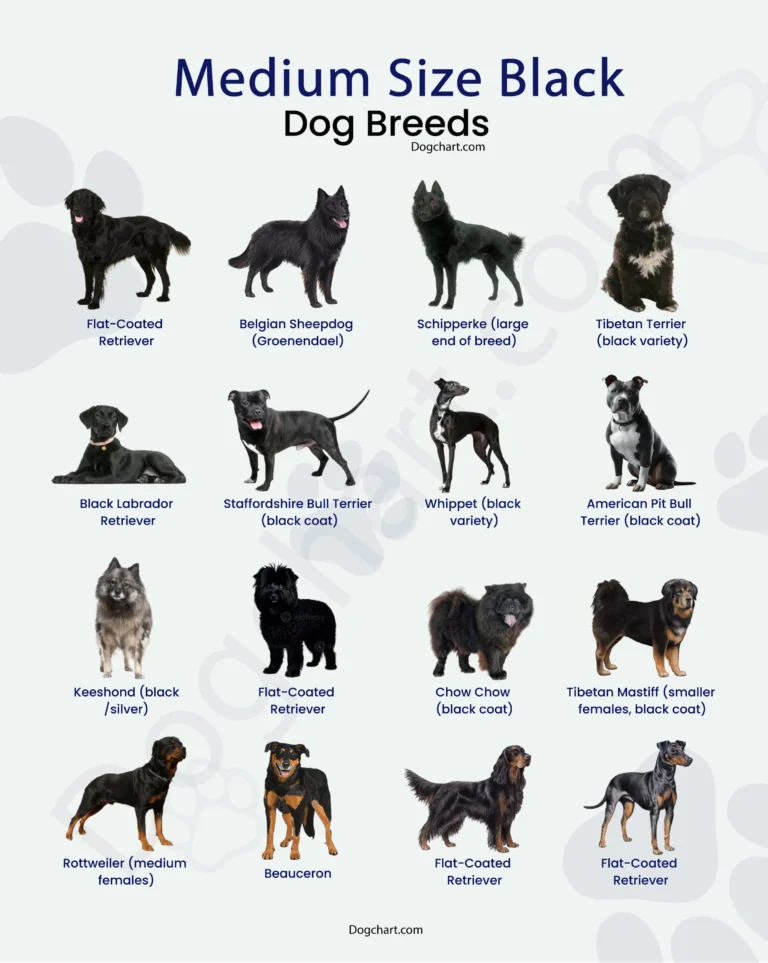
Dog breeds black encompass a diverse group of canine companions characterized by solid or predominantly dark melanistic coats that require specific dermatological tracking and thermal regulation strategies. According to the American Animal Hospital Association (AAHA), proactive health monitoring and targeted husbandry protocols significantly improve long-term wellness outcomes across specific canine coat phenotypes. Understanding the physiological and behavioral traits linked to these dark-coated lines ensures optimal veterinary care, proper environmental adaptation, and tailored lifestyle management for pet health caregivers. Detailed insights into appropriate Dog Breeds help enthusiasts match specific physical traits with appropriate household environments.
Pet Wellness & Behavior Snapshot:
- Core Focus: Comprehensive care guidelines for black-coated dog breeds.
- Target Scope: Clinical identification, thermal maintenance, and specialized grooming.
- Key Recommendation: Implement shade-seeking protocols and targeted dermatological assessments during peak sun exposure.
Core Principles and Detailed Overview
Dog breeds black present unique physical characteristics, primarily involving solar radiation absorption and distinct cutaneous pigmentation that demand specialized veterinary attention. Dark eumelanin pigmentation absorbs a higher percentage of light spectrum wavelengths, which can accelerate thermal accumulation during outdoor activity. Veterinary technicians must educate pet parents regarding heat dissipation limitations in high-ambient-temperature environments. Furthermore, evaluating dark skin and coat condition requires high-intensity lighting during clinical examinations to accurately detect ectoparasites, cutaneous masses, or early inflammatory lesions that might otherwise blend into dark fur. Comprehensive guidance regarding canine physical maintenance is continuously updated within Dog Care resources.
Key Specifications and Breakdown
| Observed Indicator / Factor | Veterinary & Behavioral Explanation | Actionable Management Protocol |
|---|---|---|
| Solar Heat Absorption | High concentrations of eumelanin absorb ultraviolet and infrared light rapidly, elevating body temperature. | Limit strenuous outdoor activity during peak daylight hours and provide constant access to shade. |
| Coat Bleaching (Pruritic Sun Bleaching) | Prolonged sun exposure oxidizes eumelanin pigments, turning black fur reddish-brown. | Apply veterinarian-approved UV-protectant sprays and optimize indoor resting spaces during peak sun. |
| Cutaneous Mass Camouflage | Dark pigmentation creates visual camouflage, making small dermal lesions harder to spot. | Conduct monthly tactile skin checks using hands rather than visual inspection alone. |
Routine parasite screening and year-round preventative protocols remain essential for all dark-coated dogs due to the visual difficulty of identifying small ticks and fleas against heavy black fur. — American Veterinary Medical Association (AVMA)
Step-by-Step Practical Application and Guidelines
Dog breeds black require structured grooming regimens and balanced nutritional support to maintain structural integrity of the skin and coat barrier. Daily brushing sessions utilizing specialized slicker brushes and metal combs distribute natural sebum evenly, preventing localized matting and allowing close inspection of the epidermis. Nutritional formulations rich in omega-3 and omega-6 fatty acids support cellular repair and enhance the natural luster of dark guard hairs, reducing oxidative fading. Proper dietary management details are accessible through Dog Nutrition archives. Caregivers must also monitor hydration levels strictly during warm weather seasons, ensuring immediate cooling interventions if panting exceeds normal physiological recovery rates.
Common Challenges and How to Avoid Them
Dog breeds black frequently face misdiagnosis of skin conditions and delayed heat exhaustion recognition due to visual obscurities inherent in dark fur. Caregivers often miss early signs of flea infestation, dry flaky skin, or small melanomas because the dark coat masks surface irregularities. Overcoming this challenge involves adopting systematic tactile grooming practices rather than relying solely on visual observation. Additionally, assuming dark-coated dogs tolerate cold weather equally well as warm weather neglects individual breed tolerances and subcutaneous fat layers. Maintaining vigilance during seasonal transitions prevents environmental stress and supports overall systemic health, mirroring principles found in Dog Health guidelines.
💬 Frequently Asked Questions
Explore More Pet Care and Animal Health Guides on PetsAnimalsWorld
Dog breeds black represent just one segment of canine diversity requiring informed, scientifically grounded stewardship from dedicated pet parents and health caregivers. Comprehensive exploration of behavioral cues, training methodologies, and preventive health strategies remains vital for fostering optimal animal welfare across all environments. Expanded educational materials and specialized canine resources are readily available through the main library at Pets Animals World.
Visual Reference Gallery