Introduction
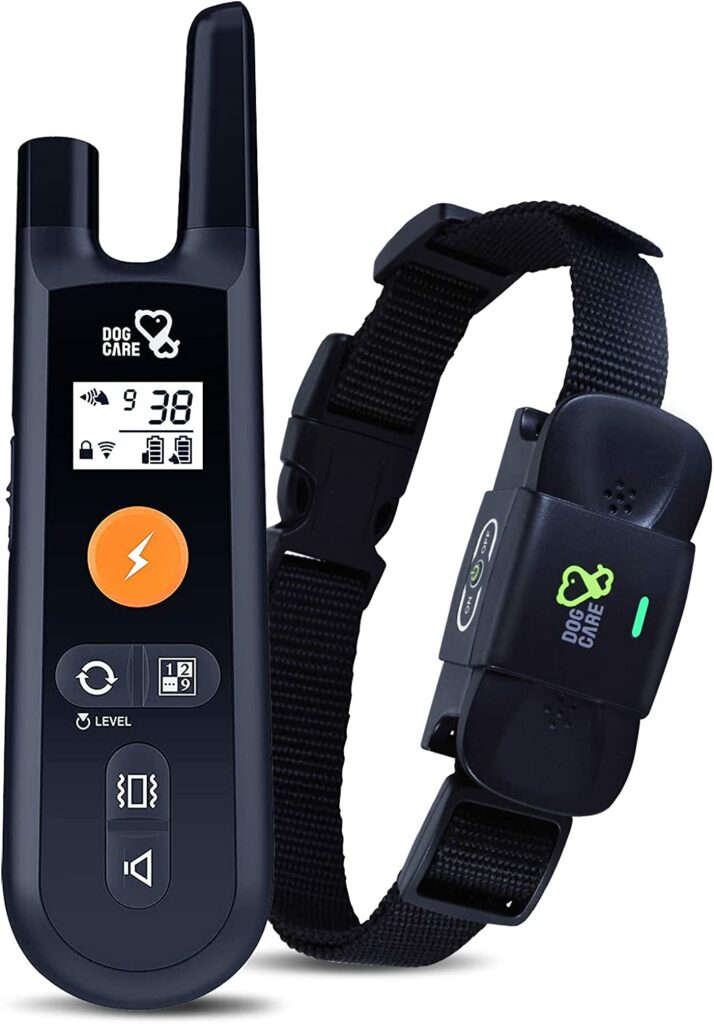
A dog care dog training collar functions as a specialized management tool designed to modify canine responses, support obedience education, and ensure domestic safety when applied alongside positive reinforcement methodologies. According to the International Association of Animal Behavior Consultants (IAABC), effective behavioral modification must prioritize humane techniques that mitigate fear, anxiety, and stress in companion animals. Integrating any Dog Training device requires strict adherence to anatomical safety, physiological thresholds, and clear communication to protect overall pet wellness. Canine healthcare management depends heavily on selecting equipment that does not compromise physical comfort, respiration, or endocrine balance, thereby safeguarding the animal from chronic distress. Furthermore, proper canine education intersects directly with routine Dog Care, where monitoring skin integrity around the neck prevents pressure necrosis and localized dermatitis. Professional caregivers must balance modern equipment utilization with optimal Dog Nutrition and consistent mental enrichment to foster stable, predictable temperaments across diverse Dog Breeds.
Pet Wellness & Behavior Snapshot:
- Core Focus: Safe integration of a dog care dog training collar into structured obedience and behavioral modification plans.
- Target Scope: Canine health management, physical safety monitoring, and humane training execution.
- Key Recommendation: Regular inspection of skin integrity and pairing tool use with positive reinforcement.
Core Principles and Detailed Overview
A dog care dog training collar requires precise physical fitting and thorough behavioral assessment to prevent physical injury and psychological aversion in domestic dogs. Clinical evaluations consistently demonstrate that improper pressure application or mismanaged stimulus delivery can trigger defensive aggression, elevated cortisol levels, and avoidance behaviors. Caregivers must understand that specialized collars are not substitutes for foundational obedience, socialization, and proper Dog Health evaluations. Veterinary professionals evaluate canine candidates prior to tool introduction to rule out underlying orthopedic pain, neurological deficits, or sensory impairments that might skew behavioral responses. Maintaining optimal Pets welfare mandates that any aversive or mechanical intervention remains strictly secondary to reward-based conditioning and clear communication channels between the animal and the handler.
Key Specifications and Breakdown
| Observed Indicator / Factor | Veterinary & Behavioral Explanation | Actionable Management Protocol |
|---|---|---|
| Cervical Skin Irritation | Prolonged localized pressure disrupts cutaneous microcirculation and causes pressure necrosis. | Rotate collar placement frequently, limit wear duration, and inspect skin daily. |
| Elevated Stress Signals | Excessive aversive stimuli elevate systemic cortisol and induce defensive aggression. | Cease tool use immediately, consult a certified behaviorist, and prioritize rewards. |
| Improper Fit Metrics | Incorrect tension compromises tracheal structures and impairs normal swallowing mechanics. | Ensure a two-finger spacing rule under the band and select anatomically correct sizing. |
The American Veterinary Medical Association (AVMA) supports the humane training of animals through positive reinforcement and discourages methods that rely on physical punishment or induce unwarranted fear and distress. — American Veterinary Medical Association (AVMA)
Step-by-Step Practical Application and Guidelines
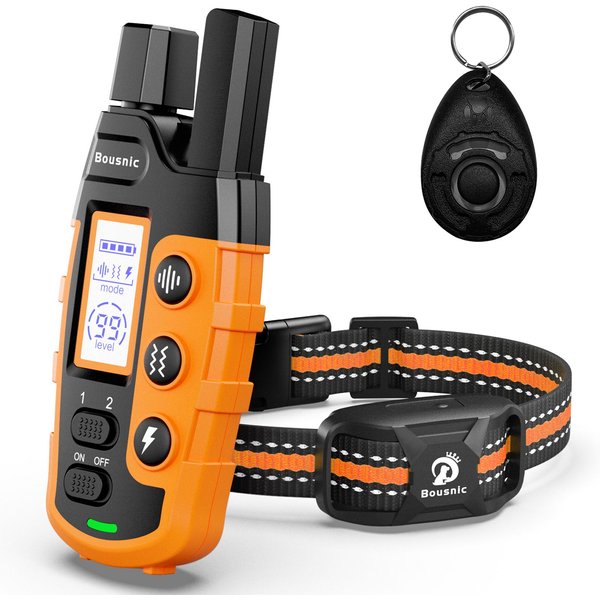
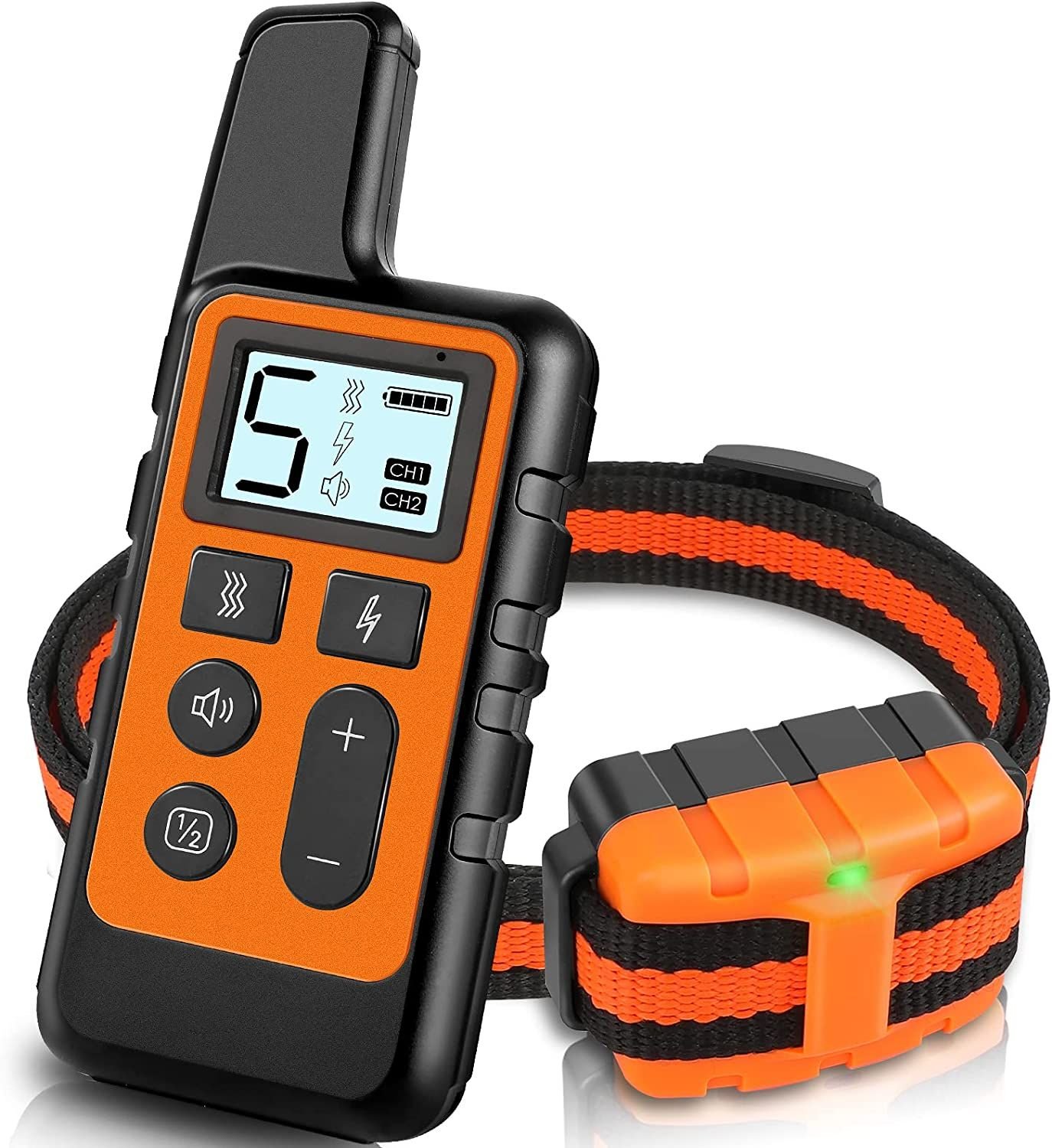
Implementing a dog care dog training collar begins with precise sizing, gradual desensitization, and continuous monitoring of the animal’s behavioral state to ensure optimal safety. Handlers must first introduce the unactivated device during positive activities like feeding or play so the animal forms a neutral or positive association with the object. Subsequent steps require testing individual contact points for snugness, ensuring the hardware rests securely against the muscle tissue of the neck rather than directly over the delicate laryngeal structures. Throughout the educational phase, professional caregivers must record any shifts in canine body posture, watching closely for flattened ears, lip licking, or cowering that indicate acute anxiety. Transitioning away from mechanical prompts toward verbal cues remains the primary long-term objective of any structured modification protocol overseen by qualified canine specialists.
Common Challenges and How to Avoid Them
Mismanagement of a dog care dog training collar frequently leads to skin breakdown, habituation to stimuli, and the suppression of vital warning signals such as growling. Caregivers often commit errors by leaving restrictive hardware on the animal for extended periods, failing to clean contact points, or applying mechanical corrections without offering clear alternative behaviors. Preventing these complications requires strict adherence to manufacturer wear-time limits, routine dermatological checks, and consultation with professionals specializing in Dog Behavior. When animals show signs of confusion or stress, immediate pause protocols must be enacted to reassess the motivation behind the undesirable conduct and refocus the training session on foundational reinforcement principles.
💬 Frequently Asked Questions
Explore More Pet Care and Animal Health Guides on PetsAnimalsWorld
Comprehensive veterinary insights, behavioral guides, and wellness resources remain accessible by visiting the complete educational library at Pets Animals World.
Visual Reference Gallery