Introduction
Post-operative management following canine gonadectomy requires strict physical restriction, rigorous wound surveillance, and tailored caloric adjustment to prevent secondary surgical complications and metabolic obesity. According to the American Animal Hospital Association (AAHA), comprehensive post-surgical protocols must prioritize multimodal pain management and controlled environmental constraints during the initial fourteen-day recovery window. Neglecting these recovery protocols frequently leads to incisional dehiscence, seroma formation, and unintended behavioral fluctuations linked to acute hormonal transitions. Proper implementation of Dog Care ensures that the surgical site heals cleanly while mitigating post-operative stress for the recovering animal. Additional resources covering broader health monitoring can be found via Dog Health guidelines.
Pet Wellness & Behavior Snapshot:
- Core Focus: Comprehensive post-operative physical management, behavioral observation, and nutritional adjustment following canine neutering surgery.
- Target Scope: Caregivers and handlers managing canine recovery phases across diverse Dog Breeds.
- Key Recommendation: Maintain strict crate confinement and Elizabethan collar usage for fourteen consecutive days post-surgery.
Core Principles and Detailed Overview
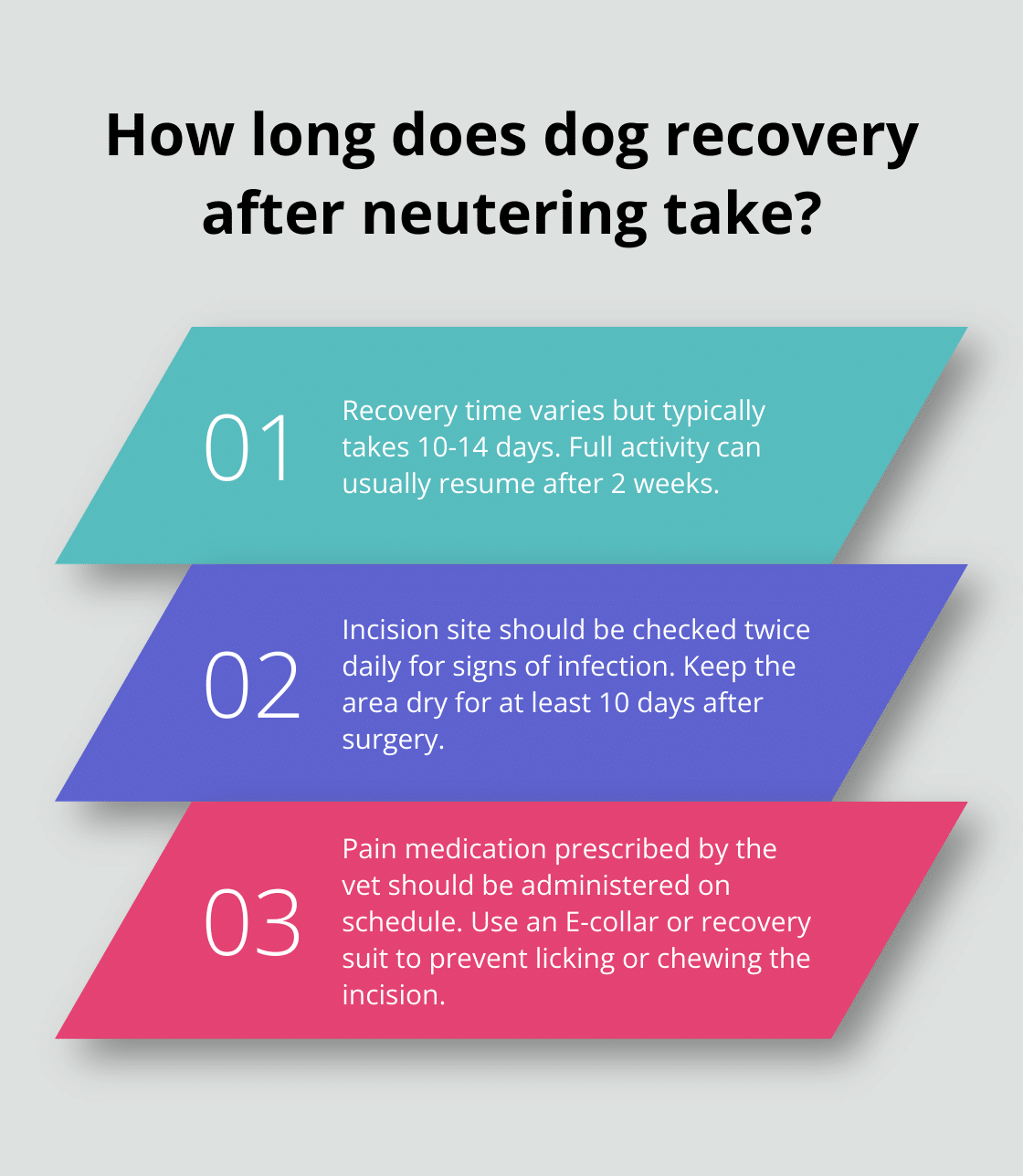
Post-operative physiological stabilization involves monitoring vital signs, administering prescribed analgesics on precise schedules, and restricting all high-impact physical maneuvers such as jumping, running, and stair-climbing. Direct pharmacological management dictates that veterinarians prescribe NSAIDs or opioids to control inflammation, which caregivers must administer without relying on human analgesics that are toxic to canines. Behavioral shifts often surface during the recovery phase due to confinement frustration, requiring structured mental enrichment and interactive toys that do not demand physical exertion. Proper monitoring prevents self-trauma to the scrotal or prescrotal incision site, ensuring secondary infections remain absent throughout the tissue remodeling phase.
Key Specifications and Breakdown
| Observed Indicator / Factor | Veterinary & Behavioral Explanation | Actionable Management Protocol |
|---|---|---|
| Incisional Redness and Swelling | Mild localized inflammation is typical, but expanding erythema or purulent discharge indicates infection. | Examine the incision twice daily and report abnormal fluid accumulation immediately to the attending veterinarian. |
| Lethargy and Appetite Suppression | Post-surgical sluggishness usually subsides within forty-eight hours as anesthetic agents clear the hepatic pathway. | Provide easily digestible meals and maintain a quiet, dark recovery den to encourage uninterrupted rest. |
| Metabolic Rate Alteration | Caloric requirements drop significantly following gonadectomy due to lowered circulating testosterone levels. | Adjust daily feeding portions downward by twenty percent and consult Dog Nutrition standards. |
Surgical site monitoring and strict exercise restriction for fourteen days are essential clinical standards to prevent dehiscence and secondary infection — American Animal Hospital Association (AAHA)
Step-by-Step Practical Application and Guidelines
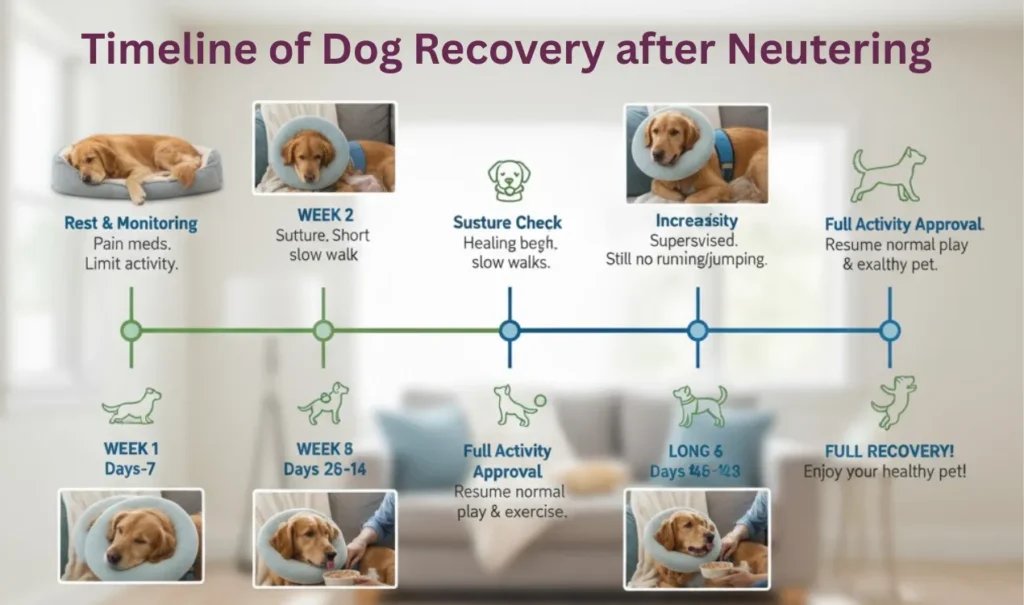
Executing a successful recovery demands a methodical, step-by-step approach starting the moment the animal returns from the clinical facility. First, establish a quiet, low-traffic recovery crate or pen padded with clean bedding, situated away from household commotion and other pets. Second, enforce a strict leash-only policy for outdoor elimination breaks to prevent sudden bursts of sprinting or leaping. Third, maintain continuous barrier protection using an Elizabethan collar or soft recovery suit to eliminate licking or chewing of sutures. Fourth, record daily temperature, incision appearance, and medication administration times in a dedicated log to track healing progress accurately. Finally, schedule the mandatory suture removal or post-operative checkup with the veterinary clinic between ten and fourteen days post-procedure.
Common Challenges and How to Avoid Them
Caregivers frequently encounter complications when exercise restriction is relaxed prematurely or when barrier collars are removed unsupervised, leading to immediate incisional damage. Avoiding these pitfalls requires uncompromising adherence to the confinement schedule, even when the animal appears completely recovered and energetic after the first week. Behavioral restlessness can be mitigated by introducing puzzle feeders and scent games that stimulate cognitive function without requiring physical locomotion. Furthermore, caregivers must resist overfeeding, tracking weight fluctuations closely to prevent the rapid onset of post-gonadectomy obesity. Understanding normal Dog Behavior assists in distinguishing between healthy healing and distress-induced agitation.
💬 Frequently Asked Questions
Explore More Pet Care and Animal Health Guides on PetsAnimalsWorld
Optimizing canine health and post-operative recovery requires continuous education across all facets of companion animal husbandry. Caregivers seeking further expert guidance on raising healthy companions can explore the comprehensive library available at Pets Animals World.
Visual Reference Gallery