Introduction
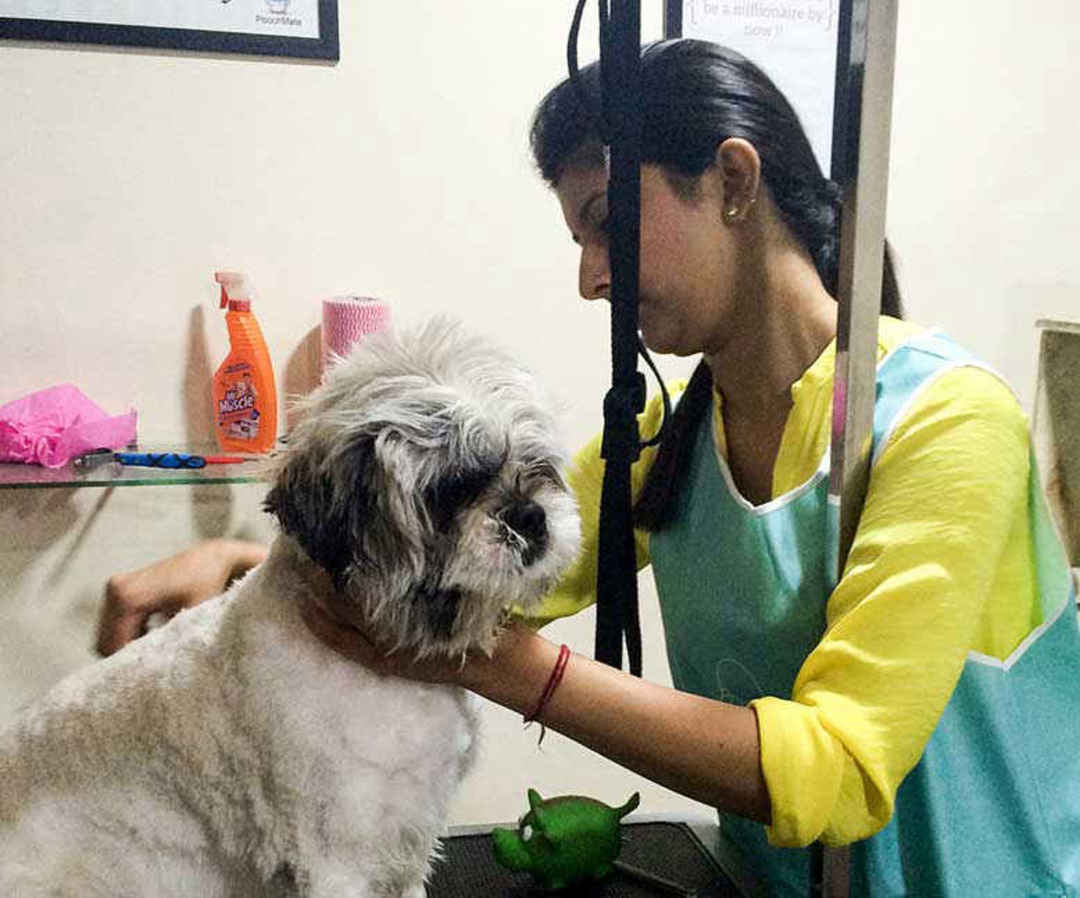
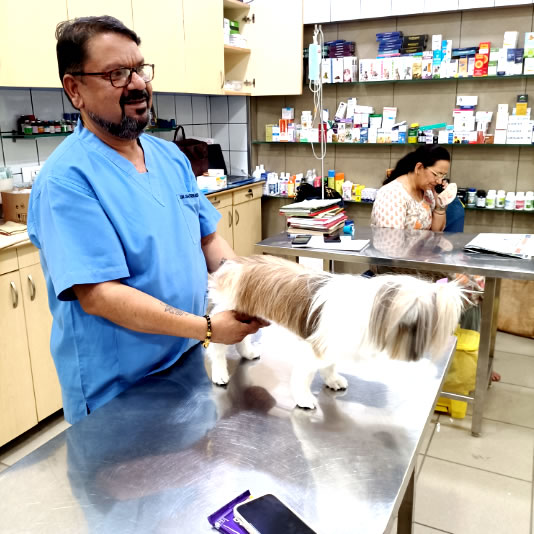
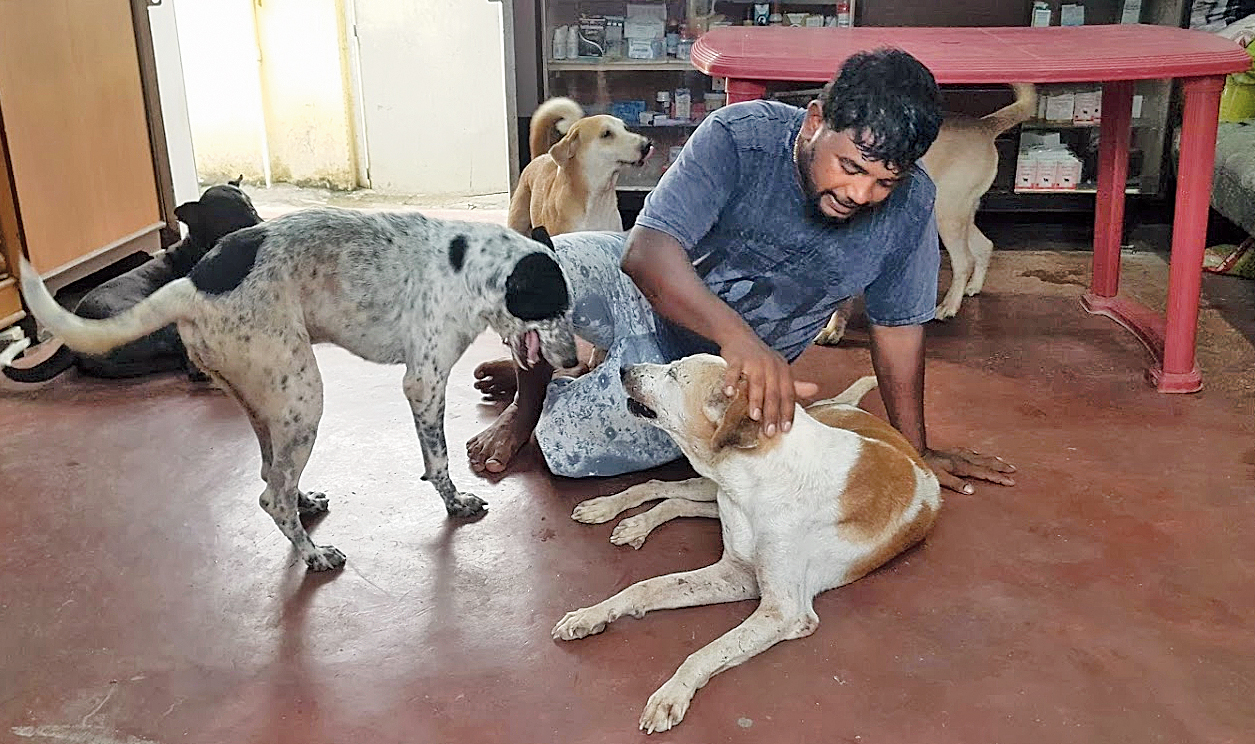
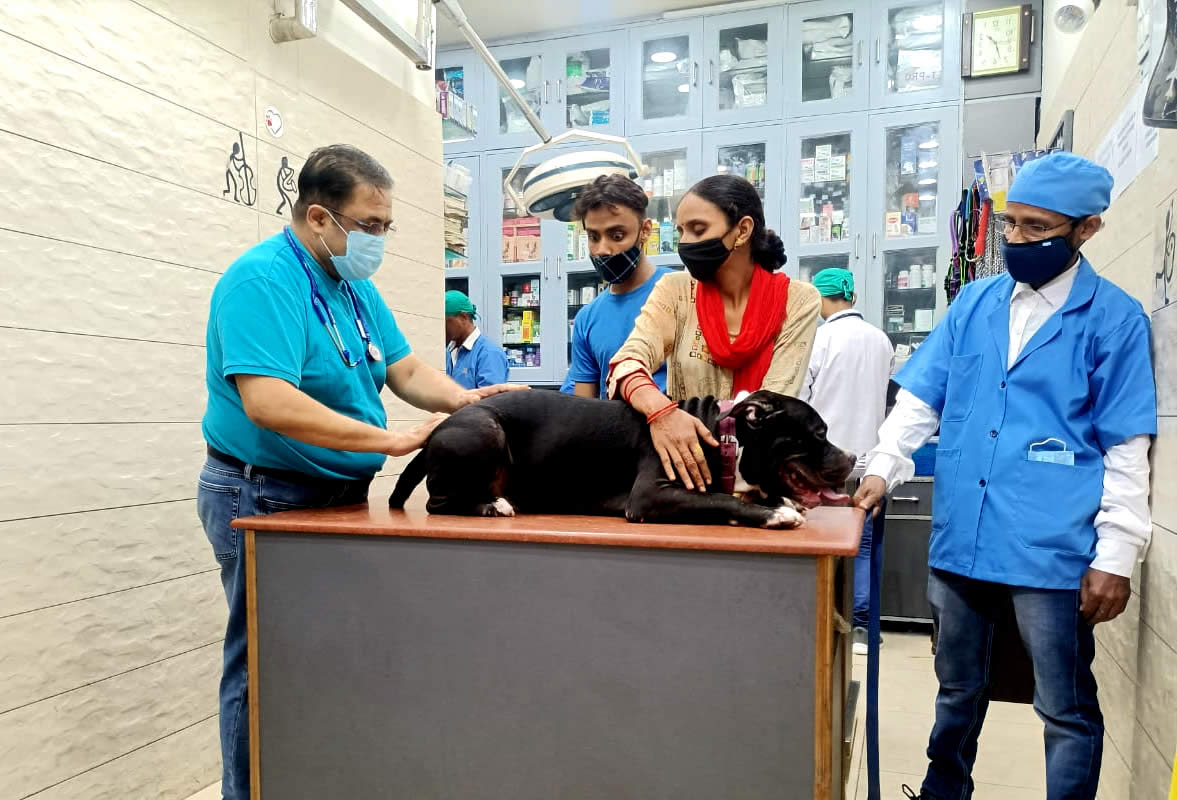
Dog care delhi encompasses specialized veterinary protocols, climate-adapted nutrition, and environmental management strategies tailored to the unique seasonal extremes of India’s capital region. According to the American Animal Hospital Association (AAHA), proactive preventive healthcare and structured environmental modifications are essential to safeguarding companion animal longevity in urban metropolitan settings. Managing canine well-being in Delhi requires distinct adjustments to combat high ambient temperatures, airborne pollutants, and localized parasitic pressures while supporting balanced physical and mental development. Maintaining optimal health outcomes demands rigorous adherence to vaccination schedules, parasite prevention, and behavioral enrichment frameworks designed for urban house pets. For comprehensive guidance on maintaining a thriving household animal, explore additional resources under Dog Care.
Pet Wellness & Behavior Snapshot:
- Core Focus: Comprehensive climate-adapted canine health and behavioral management in urban environments.
- Target Scope: Companion animals residing in metropolitan zones facing high seasonal temperatures and pollution.
- Key Recommendation: Implement rigorous indoor cooling protocols and region-specific parasite prevention schedules.
Core Principles and Detailed Overview
Dog care delhi requires a multifaceted clinical approach focused on mitigating thermal stress, managing seasonal allergies, and addressing urban behavioral stressors. High summer temperatures necessitate constant access to temperature-controlled indoor spaces, fresh water hydration stations, and altered exercise schedules to prevent heatstroke. Urban confinement often introduces sedentary habits, making structured mental stimulation through Dog Training essential for preventing destructive displacement behaviors. Furthermore, year-round vector-borne disease prevention is critical due to dense urban insect populations. Caregivers must align nutritional offerings with the animal’s life stage, activity level, and breed-specific sensitivities to maintain ideal body condition scores.
Key Specifications and Breakdown
| Observed Indicator / Factor | Veterinary & Behavioral Explanation | Actionable Management Protocol |
|---|---|---|
| Excessive panting and lethargy | Early signs of hyperthermia induced by high ambient humidity and heat | Transition physical exercise to early morning hours and provide air-conditioned indoor resting areas. |
| Incessant scratching and paw chewing | Common manifestations of atopic dermatitis triggered by local particulate matter and allergens | Schedule dermatological evaluations and utilize hypoallergenic wipes post-walk. |
| Leash reactivity and startling | Sensory overload resulting from dense urban traffic noise and crowded street environments | Implement desensitization protocols and utilize calm indoor spaces to lower chronic cortisol levels. |
Environmental and Parasite Control Guidelines — American Veterinary Medical Association (AVMA)
Step-by-Step Practical Application and Guidelines
Executing an effective canine maintenance regimen involves establishing predictable daily routines that prioritize physical safety and clinical surveillance. Begin each morning by inspecting paws for asphalt burns or debris before permitting outdoor elimination. Administer veterinary-prescribed ectoparasite preventatives punctually every month to interrupt tick and flea life cycles prevalent in regional green spaces. Feed measured portions of high-quality formulations found within Dog Nutrition guidelines to prevent canine obesity, which exacerbates respiratory distress during humid months. Finally, incorporate puzzle toys and scent games indoors during peak heat advisory hours to fulfill predatory sequence drives without causing physical exhaustion.
Common Challenges and How to Avoid Them
Urban pet parents frequently overlook sub-clinical dehydration and chronic respiratory irritation caused by elevated particulate matter during winter smog episodes. Preventing these systemic complications requires installing indoor air purification units and restricting outdoor activities when air quality indices reach hazardous levels. Ignoring subtle behavioral cues regarding fear or territorial aggression can escalate into severe bite risks, necessitating early intervention rooted in principles detailed under Dog Behavior. Additionally, relying on human foods or unverified dietary supplements leads to nutritional imbalances and gastrointestinal toxicities that compromise long-term organ health.
💬 Frequently Asked Questions
Explore More Pet Care and Animal Health Guides on PetsAnimalsWorld
Optimizing companion animal welfare requires continuous education across diverse medical, nutritional, and behavioral domains tailored to urban environments. Caregivers seeking further clinical insights into specific canine bloodlines can consult Dog Breeds, while comprehensive wellness strategies remain accessible throughout the Pets Animals World digital library.
Visual Reference Gallery