Introduction
Finding professional dog care for holidays near me requires identifying licensed boarding facilities, certified pet sitters, and veterinary medical boarding options that maintain strict animal welfare standards during high-demand travel seasons. According to the American Animal Hospital Association (AAHA), proper holiday canine management relies on advance planning, rigorous vaccination verification, and stress-mitigation protocols tailored to individual animal behavioral profiles. Navigating seasonal boarding and professional pet sitting involves balancing environmental stability, socialization needs, and medical oversight to protect domestic canines from holiday-induced anxiety and health disruptions. Maintaining reliable routines during holiday disruptions supports overall canine wellness, preventing common behavioral regression linked to unfamiliar environments or altered feeding schedules. Proper preparation within the broader context of Dog Care ensures animals remain safe, healthy, and psychologically stable while households manage seasonal celebrations or travel absences.
Pet Wellness & Behavior Snapshot:
- Core Focus: Securing professional, accredited holiday lodging and professional animal supervision tailored to specific canine needs.
- Target Scope: Companion animal caregivers, multi-pet households, and owners managing travel or hosting demands.
- Key Recommendation: Complete temperament evaluations and vaccine updates at least four weeks before scheduled holiday stays.
Core Principles and Detailed Overview
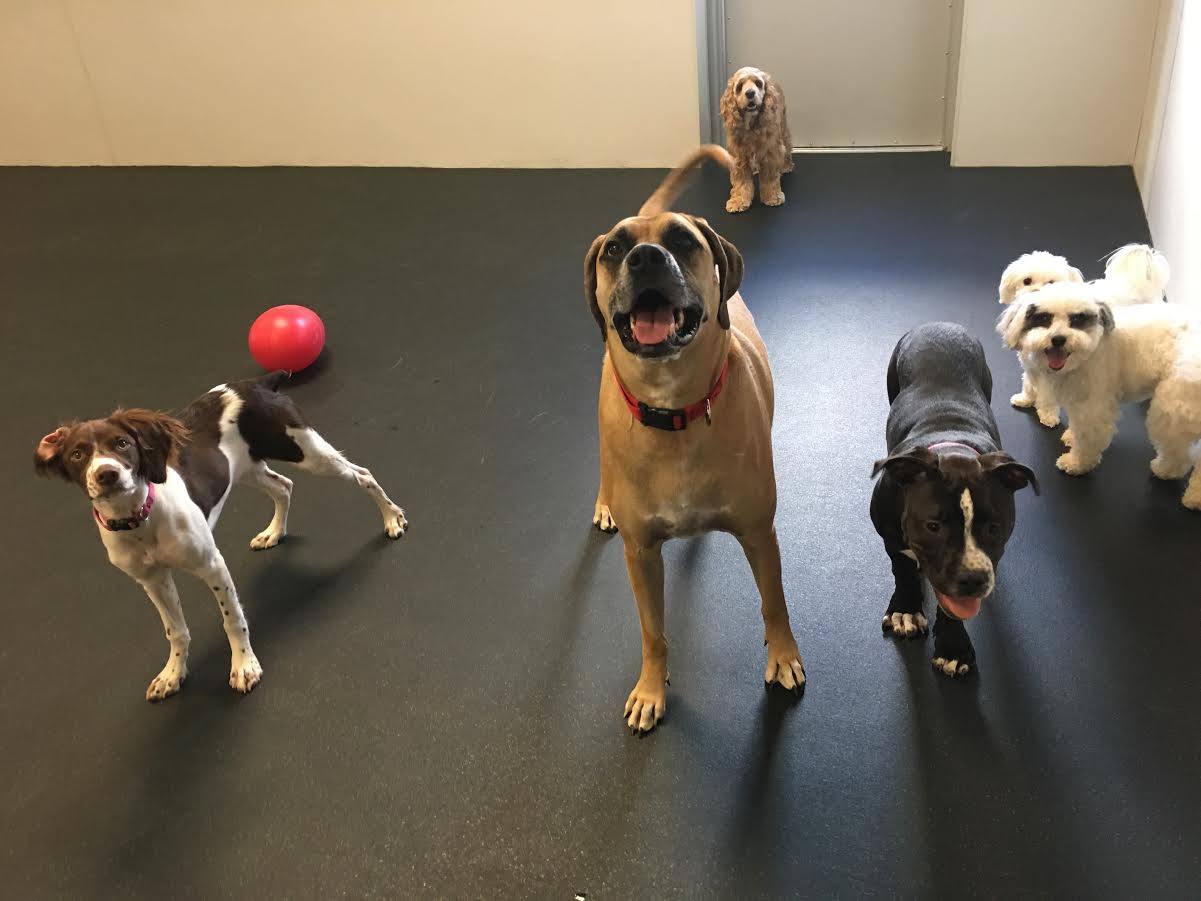
Evaluating local holiday canine care services mandates assessing facility cleanliness, staff-to-dog ratios, emergency veterinary protocols, and individual housing provisions that prevent contagious disease transmission. Comprehensive Dog Health standards dictate that any selected boarding facility or professional in-home pet sitter must verify current vaccinations for rabies, distemper, parvovirus, and canine cough complex before accepting new animal guests. Facility infrastructure matters immensely; secure fencing, climate-controlled indoor spaces, and slip-resistant flooring minimize injury risks during periods of high activity. Behavioral compatibility assessments prevent interpersonal canine aggression, ensuring that group play environments remain safe and structurally managed by trained technicians. Furthermore, dietary consistency remains paramount during holiday transitions. Maintaining established feeding regimens through structured Dog Nutrition prevents acute gastrointestinal distress caused by sudden food changes or ingestion of toxic holiday table scraps.
Key Specifications and Breakdown
| Observed Indicator / Factor | Veterinary & Behavioral Explanation | Actionable Management Protocol |
|---|---|---|
| Facility Cleanliness and Air Exchange | High-density animal environments risk respiratory pathogen accumulation without medical-grade HVAC filtration systems. | Verify that boarding facilities utilize hospital-grade disinfectants and air exchange cycles every four to six minutes. |
| Canine Behavioral Stress Signals | Panting, pacing, excessive vocalization, and refusal to eat indicate acute environmental distress in unfamiliar settings. | Provide familiar bedding, clothing carrying human scent, and consult veterinarians regarding safe calming pheromone therapies. |
| Dietary Management During Boarding | Sudden transitions in food formulations frequently trigger colitis, vomiting, and severe digestive imbalances. | Portion pre-measured individual meals in airtight containers with explicit feeding instructions for caregivers. |
To protect vulnerable populations from infectious respiratory pathogens during peak travel seasons, accredited facilities must strictly enforce up-to-date Bordetella and canine influenza immunizations at least fourteen days prior to admission. — American Veterinary Medical Association (AVMA). Related guide: Dog Care Facility.
Step-by-Step Practical Application and Guidelines
Implementing a foolproof holiday care plan begins with scheduling facility tours or meet-and-greets well in advance of actual departure dates to observe animal-staff interactions firsthand. Caregivers should begin by compiling complete medical records, emergency veterinary contact numbers, and precise medication schedules detailing exact dosages and administration timings. Preparing the canine guest for the transition involves conducting a short overnight trial stay at the boarding facility or hiring the chosen pet sitter for a single daytime visit to establish positive familiarity. When packing for the stay, include sufficient food for the entire duration plus three extra days, favorite durable chew toys, and any required veterinary prescriptions clearly labeled in original pharmacy containers. Understanding foundational Dog Behavior cues allows caregivers to recognize subtle signs of overstimulation or fear, empowering them to adjust lodging arrangements before chronic stress develops into clinical illness.
Common Challenges and How to Avoid Them
Securing last-minute holiday accommodations frequently forces hasty decisions that compromise animal safety, making early booking an essential preventative measure against substandard care environments. Neglecting to verify overnight staffing levels leaves animals vulnerable during medical emergencies or facility power failures occurring outside standard business hours. Another prevalent hazard involves toxic seasonal ingestion; households utilizing in-home pet sitters must eliminate accessible holiday flora such as lilies, poinsettias, and chocolate-laden treats from surfaces reachable by counter-surfing canines. Reviewing general principles outlined in Dog Training assists caregivers in reinforcing impulse control and reliable recall commands, reducing hazards during outdoor relief walks conducted by seasonal handlers. Proactive planning eliminates last-minute panic and safeguards domestic animals throughout high-stress holiday periods.
💬 Frequently Asked Questions
Explore More Pet Care and Animal Health Guides on PetsAnimalsWorld
Optimizing companion animal management through every season requires ongoing education, rigorous health monitoring, and expert behavioral insight. Discover comprehensive resources, preventive health protocols, and specialized guidance across all companion animal species by visiting Pets Animals World to ensure optimal lifetime wellness for every animal companion.
Visual Reference Gallery