Introduction
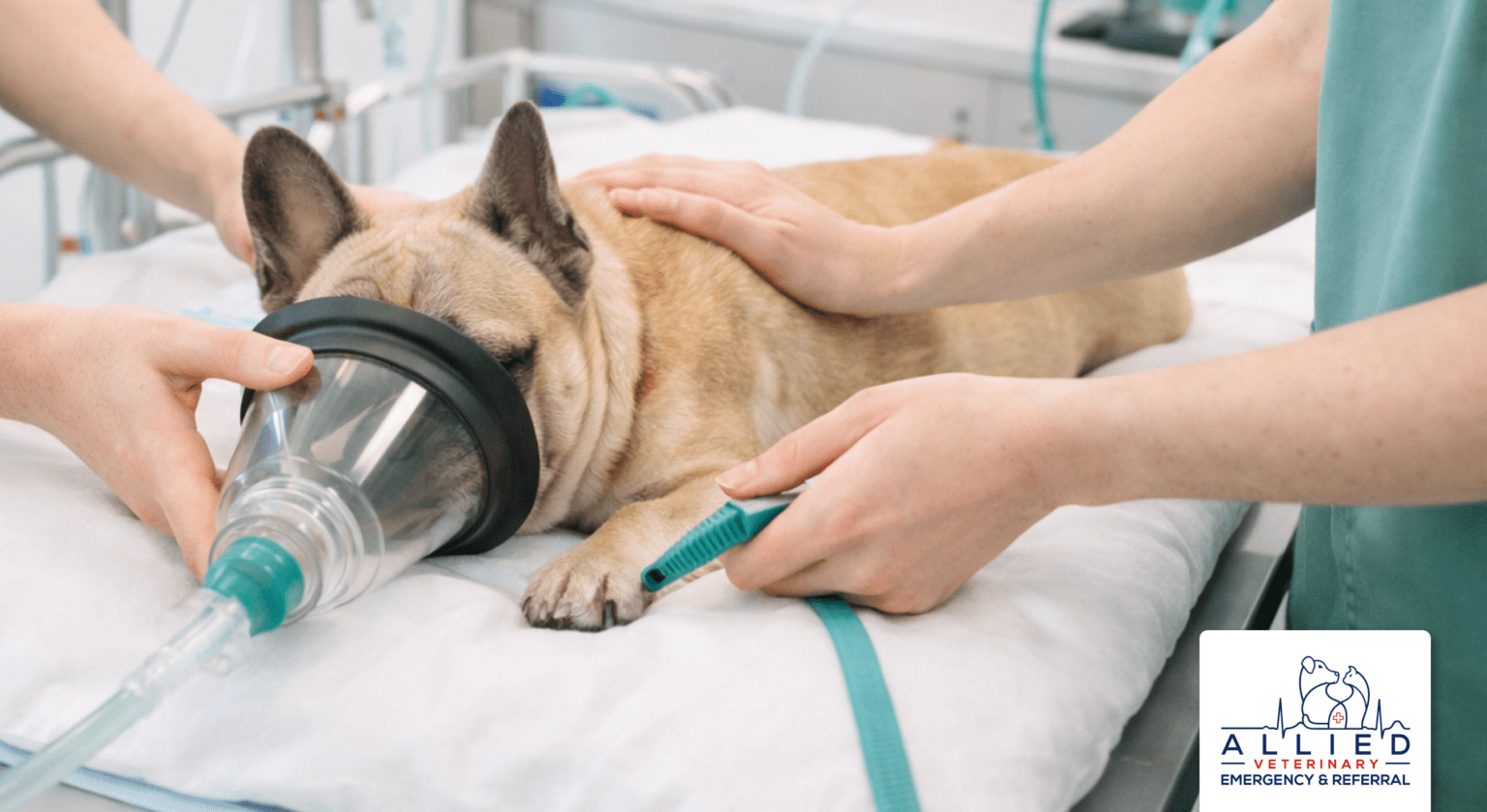
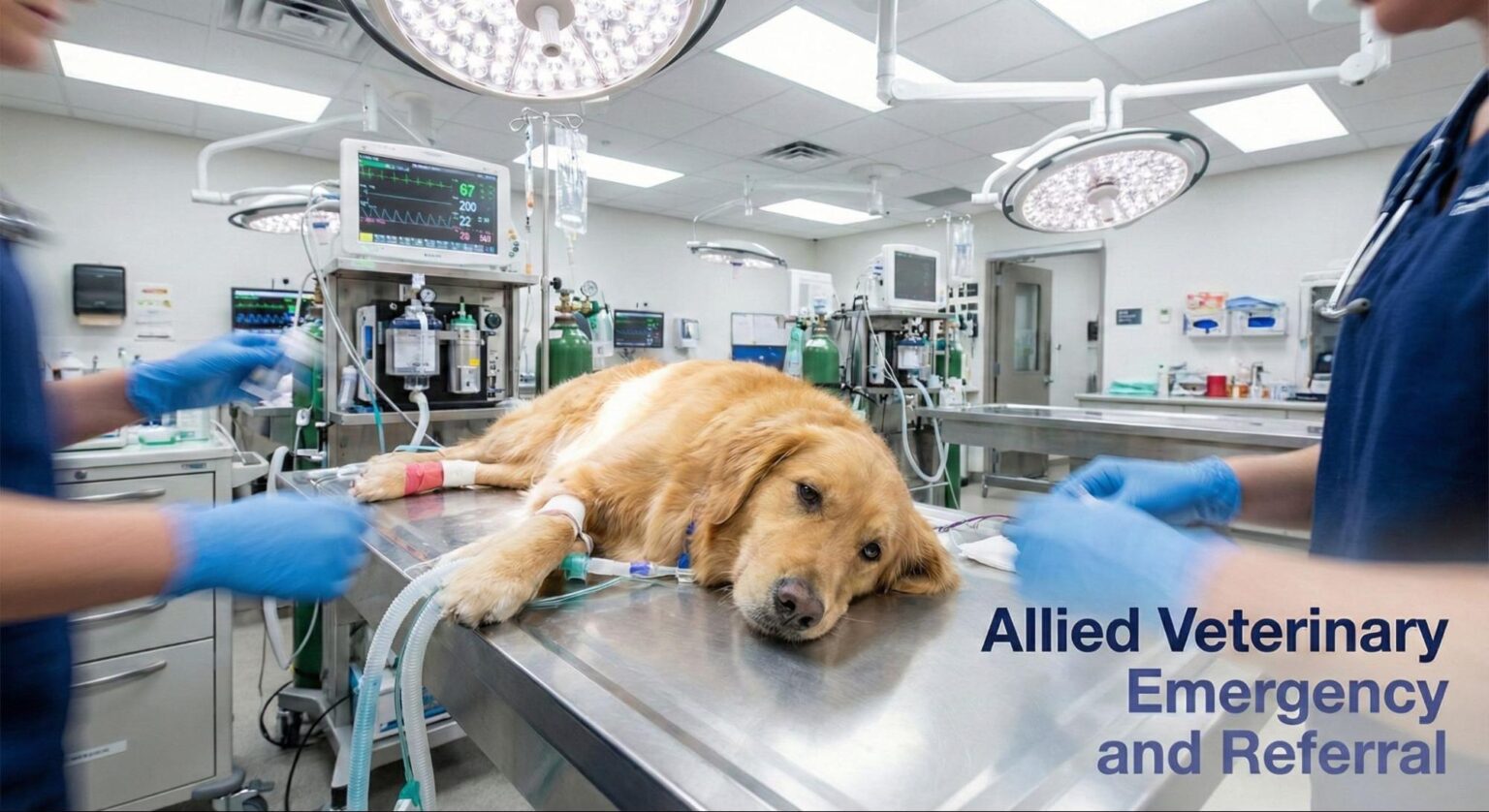
A dog care emergency is an acute, life-threatening medical or behavioral crisis requiring immediate veterinary intervention to prevent permanent injury or fatality. According to the American Veterinary Medical Association (AVMA), establishing a rapid response protocol and recognizing critical distress signals significantly improves clinical outcomes during a crisis. Understanding rapid assessment techniques, canine behavioral indicators, and emergency healthcare management safeguards companion animals from sudden hazards. Integrating these emergency response frameworks ensures optimal safety across all Dog Care routines.
Pet Wellness & Behavior Snapshot:
- Core Focus: Immediate stabilization and triage of canine medical and behavioral emergencies.
- Target Scope: Critical care protocols for domestic dogs managed by pet health caregivers.
- Key Recommendation: Maintain a pre-packed emergency kit and establish a direct transit plan to the nearest 24-hour veterinary trauma center.
Core Principles and Detailed Overview
Effective emergency management relies on rapid systematic triage, precise behavioral observation, and immediate stabilization before professional transport. Critical situations encompass severe trauma, acute poisoning, gastric dilatation-volvulus (bloat), respiratory distress, and sudden aggression stemming from extreme pain or fear. Monitoring baseline vital parameters—including mucous membrane color, capillary refill time, heart rate, and respiratory effort—allows caregivers to relay accurate diagnostic data to emergency clinicians. Furthermore, understanding that systemic pain often triggers defensive biting is essential when administering first aid, reinforcing the importance of proper muzzle placement during physical examinations. Maintaining an appropriate environment supports overall Dog Health and reduces secondary injury risks.
Key Specifications and Breakdown
| Observed Indicator / Factor | Veterinary & Behavioral Explanation | Actionable Management Protocol |
|---|---|---|
| Abdominal Distension & Non-Productive Retching | Indicates acute gastric dilatation-volvulus (GDV), where the stomach twists and cuts off vascular supply, causing rapid shock. | Transport immediately to an emergency hospital without attempting home remedies or feeding. |
| Sudden Lethargy & Pale Mucous Membranes | Signals internal hemorrhage, severe anemia, or systemic shock due to reduced tissue perfusion and oxygenation. | Keep the animal warm, minimize movement, and seek immediate veterinary stabilization. |
| Acute Agression & Pacing During Distress | Represents a physiological defense mechanism triggered by extreme visceral pain, hypoxia, or neurological trauma. | Approach cautiously, apply a basket muzzle if safe, and avoid direct physical restraint that escalates panic. |
Immediate Veterinary Consultation is Required for Any Sustained Alteration in Vital Signs, Respiratory Distress, or Ingestion of Known Toxic Substances — American Veterinary Medical Association (AVMA). Related guide: Boarding For Unneutered Male Dogs.
Step-by-Step Practical Application and Guidelines
Executing an emergency response requires maintaining absolute composure, ensuring personal safety, and prioritizing rapid transport over home treatment. The initial step involves securing the animal to prevent further injury, utilizing a blanket as an improvised stretcher for larger dogs or a secure carrier for smaller breeds. Subsequently, airway patency, breathing rate, and pulse strength must be evaluated within seconds to determine if cardiopulmonary resuscitation is necessary. Dietary indiscretions that require emergency intervention highlight the importance of strict adherence to safe Dog Nutrition standards, preventing accidental ingestion of toxic items such as xylitol, chocolate, or foreign bodies. Finally, contacting the emergency veterinary facility prior to arrival ensures the medical team prepares necessary equipment, trauma bays, and antidote supplies.
Common Challenges and How to Avoid Them
Common caregiver missteps during a medical crisis include delaying professional transport to administer unverified home remedies, failing to recognize subtle signs of shock, and putting oneself at risk of bite injuries. Misinterpreting quiet resignation as recovery when an animal is actually entering terminal cardiovascular collapse prevents timely life-saving interventions. Caregivers must avoid administering human medications such as ibuprofen or acetaminophen, as these substances cause severe organ failure in canines. Relying on professional guidance through specialized Dog Behavior resources helps owners distinguish between normal stress responses and true pathological emergencies.
💬 Frequently Asked Questions
Explore More Pet Care and Animal Health Guides on PetsAnimalsWorld
Mastering emergency preparedness ensures lifelong safety and well-being for all companion animals. Discover comprehensive educational resources, professional healthcare standards, and specialized animal management strategies by visiting the central repository at Pets Animals World.
Visual Reference Gallery