Introduction
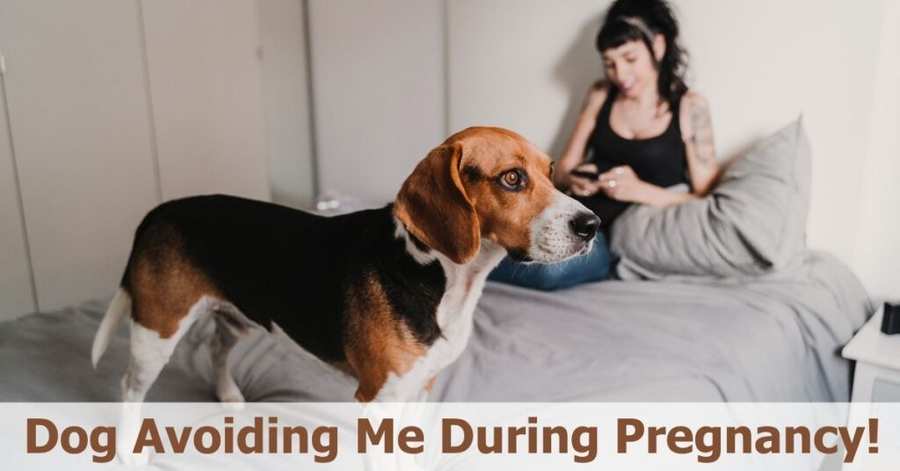
Dog behavior change when owner pregnant stems primarily from acute canine olfactory sensitivity to human hormonal shifts, environmental disruptions, and altered household routines. According to the American Veterinary Medical Association (AVMA), animals possess highly specialized vomeronasal organs capable of detecting minute biochemical changes in human physiology long before physical signs become obvious. Navigating these canine behavioral adjustments requires structured environmental management, proactive veterinary oversight, and careful monitoring of everyday Dog Care protocols. Managing these transitions effectively prevents stress-induced anxiety in companion animals while maintaining domestic harmony throughout the gestational period.
Pet Wellness & Behavior Snapshot:
- Core Focus: Identifying and managing physiological and environmental drivers of dog behavior change when owner pregnant.
- Target Scope: Domestic companion canines exhibiting increased clinginess, avoidance, or stress-related behavioral adaptations.
- Key Recommendation: Maintain predictable routines and positive reinforcement paired with expert Dog Behavior intervention strategies.
Core Principles and Detailed Overview
Dog behavior change when owner pregnant manifests through a spectrum of responses ranging from hyper-attachment and shadow-following to uncharacteristic withdrawal or mild resource guarding of the pregnant guardian. Canines rely heavily on scent and routine, meaning internal metabolic shifts combined with nursery preparations create noticeable uncertainty. Addressing these reactions safely involves supporting optimal neurological and physical stability through tailored Dog Health evaluations. Veterinarians and certified behaviorists emphasize that understanding these psychological drivers prevents misinterpreting normal stress responses as willful disobedience, ensuring appropriate welfare standards are upheld.
Key Specifications and Breakdown
| Observed Indicator / Factor | Veterinary & Behavioral Explanation | Actionable Management Protocol |
|---|---|---|
| Excessive Clinginess | Canines detect elevated human pheromones and cortisol, seeking proximity for security. | Provide designated resting zones nearby while encouraging independent settling. |
| New Avoidance Behaviors | Unfamiliar sights like nursery furniture create transient anxiety and territorial hesitation. | Introduce new household items gradually and pair them with high-value rewards. |
| Appetite Fluctuations | Stress impacts canine gastrointestinal motility and neurological satiety signaling. | Maintain consistent feeding schedules using high-quality formulas from Dog Nutrition guidelines. |
Routine environmental consistency and positive reinforcement are fundamental principles for mitigating canine stress during major household transitions — American Veterinary Medical Association (AVMA)
Step-by-Step Practical Application and Guidelines
Managing dog behavior change when owner pregnant requires implementing gradual desensitization protocols months prior to the infant’s arrival. Caregivers should introduce baby sounds, equipment, and distinct scents well in advance, reinforcing calm composure with premium treats. Establishing clear spatial boundaries through consistent Dog Training prevents the development of severe separation anxiety or barrier frustration. Professional behavioral modification combined with veterinary support ensures the household remains safe and secure for all human and animal family members.
Common Challenges and How to Avoid Them
Failing to prepare companion animals for household modifications often leads to chronic distress, destructive chewing, or accidental reactivity. Caregivers frequently commit the error of abruptly isolating the animal from the pregnant owner, which exacerbates anxiety rather than fostering independence. Corrective measures involve maintaining shared bonding time while simultaneously building confidence through puzzle toys, obedience exercises, and regular veterinary check-ups to rule out underlying medical discomfort.
💬 Frequently Asked Questions
Explore More Pet Care and Animal Health Guides on PetsAnimalsWorld
Understanding canine psychology during major life transitions safeguards animal welfare and human safety. Discover comprehensive resources, expert veterinary insights, and breed-specific guidance across the complete library available at Pets Animals World.
Visual Reference Gallery