Introduction
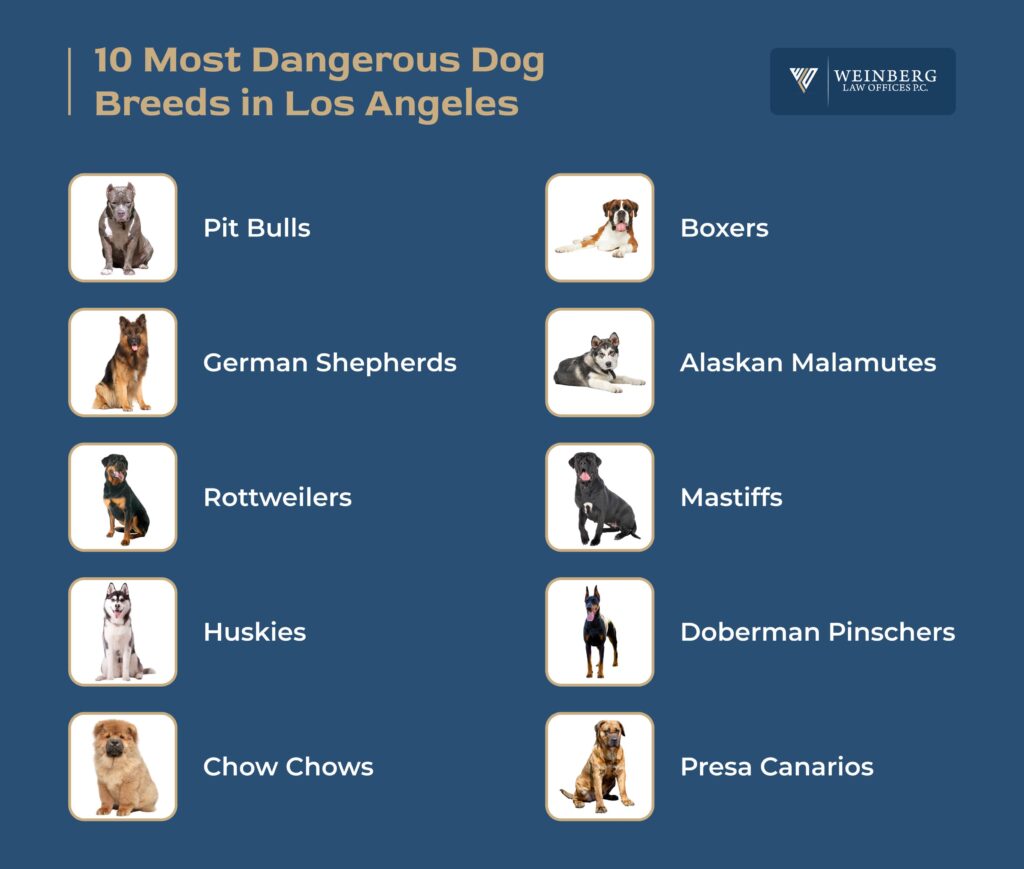
Dog breeds dangerous labels are scientifically inaccurate constructs that fail to account for individual genetics, socialization, and environmental influences. According to the American Veterinary Medical Association (AVMA), public policy and clinical assessments must focus on individual animal behavior, responsible pet ownership, and environmental management rather than sweeping breed-specific prohibitions. Understanding the true drivers of canine aggression requires an examination of behavioral cues, comprehensive veterinary health screenings, and proper husbandry practices detailed across resources on Dog Behavior. Clinical research consistently demonstrates that systemic factors such as early trauma, lack of habituation, and untreated medical pain predict bite incidents far more accurately than morphological categorization or lineage. Caregivers seeking to understand these underlying risk factors must look past superficial stereotypes and examine empirical evidence regarding canine reactivity.
Pet Wellness & Behavior Snapshot:
- Core Focus: Disproving the myth of inherently dangerous dog breeds through behavioral science.
- Target Scope: Clinical risk assessment, canine body language interpretation, and husbandry management.
- Key Recommendation: Implement early socialization and routine veterinary pain evaluations to mitigate behavioral reactivity.
Core Principles and Detailed Overview
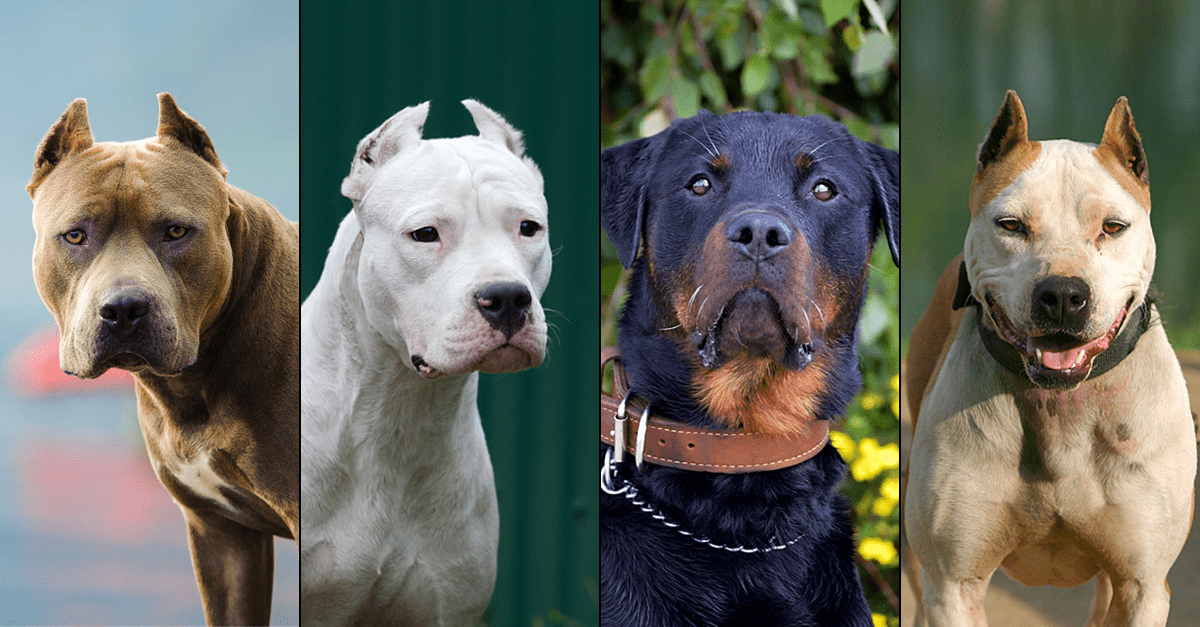
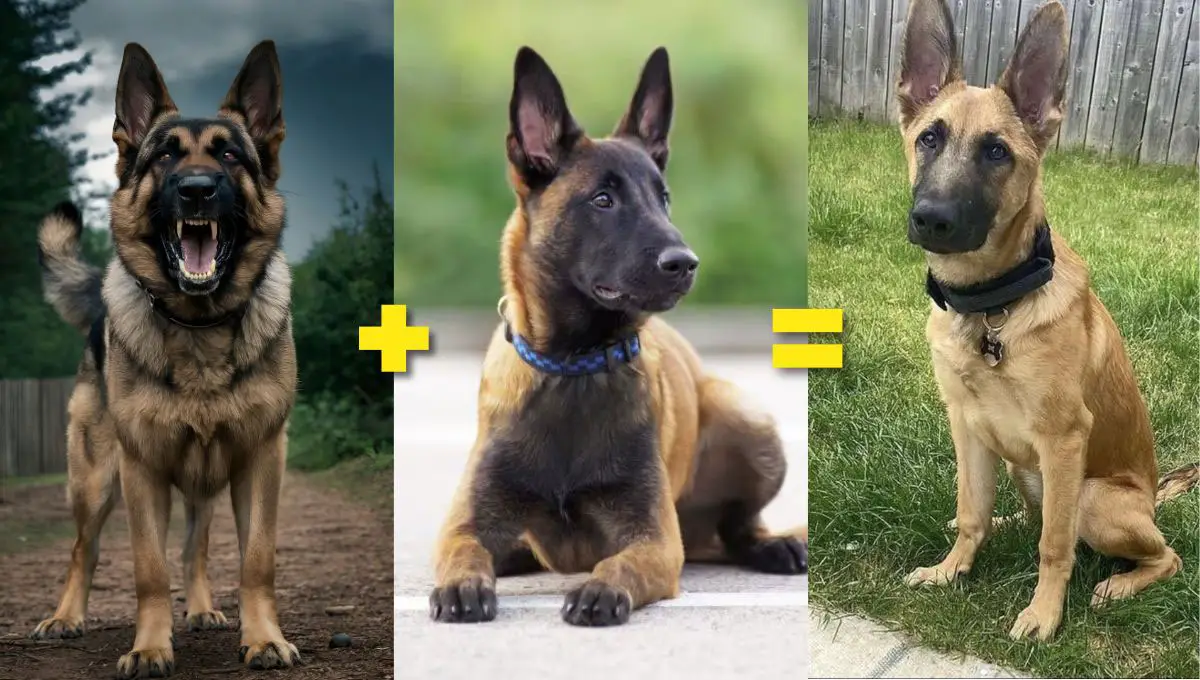
Canine aggression is a complex communicative response rooted in fear, resource guarding, or physiological distress rather than a preprogrammed breed trait. Exploring categories within Dog Breeds reveals immense behavioral diversity within any single classification, proving that phenotype does not dictate temperament. Veterinary behaviorists evaluate reactivity by analyzing specific triggering stimuli, threshold levels, and recovery times following a stress event. Animals exhibiting sudden defensive displays often suffer from hidden medical conditions, neurologic disorders, or orthopedic pain that lowers their tolerance for handling. Addressing these clinical realities requires a structured framework incorporating precise nutritional support found in Dog Nutrition to maintain optimal neurotransmitter function and metabolic stability.
Key Specifications and Breakdown
| Observed Indicator / Factor | Veterinary & Behavioral Explanation | Actionable Management Protocol |
|---|---|---|
| Stiffening and Hard Stare | Indicates immediate threshold arousal and potential defensive strike preparation. | Immediately remove triggering stimuli and redirect the animal safely without direct confrontation. |
| Sudden Hyper-Reactivity | Often signals underlying systemic pain, neurological deficits, or metabolic imbalances. | Schedule a comprehensive diagnostic veterinary examination to rule out pathological pain sources. |
| Resource Guarding | An evolutionary survival mechanism triggered by perceived scarcity of food or items. | Practice systematic desensitization and counter-conditioning under professional behavioral guidance. |
Breed-specific legislation and blanket labeling fail to enhance public safety because canine bite risk is primarily determined by socialization, early experiences, management, and individual behavioral health rather than genetic lineage. — American Veterinary Medical Association (AVMA)
Step-by-Step Practical Application and Guidelines
Mitigating behavioral risks associated with high-arousal canines demands a proactive approach rooted in positive reinforcement and environmental control. Guidance found through Dog Training emphasizes operant conditioning to build reliable impulse control and emotional regulation in reactive companions. Caregivers must first map out the exact environmental triggers that prompt defensive posturing, establishing safe management boundaries such as secure crate placement or muzzle conditioning. Routine physical examinations tracked via Dog Health protocols ensure that physiological discomfort never masquerades as intractable behavioral aggression. Consistent daily routines, predictable mental enrichment, and balanced dietary regimens further stabilize mood and decrease hyper-vigilance in sensitive companion animals.
Common Challenges and How to Avoid Them
Misinterpreting subtle canine calming signals frequently leads to escalated defensive responses and accidental bite incidents. Caregivers often mistake freezing, lip-licking, or whale eye for compliance when those behaviors actually indicate acute fear or impending over-threshold arousal. Relying on outdated punishment-based correction techniques exacerbates anxiety, heightens defensive reactivity, and damages the human-animal bond. Effective prevention relies on continuous education regarding canine ethology, early intervention for fear-based responses, and close collaboration with certified animal behaviorists. Maintaining proper oversight across all daily interactions safeguards household members and promotes long-term psychological well-being for every animal in the home.
💬 Frequently Asked Questions
Explore More Pet Care and Animal Health Guides on PetsAnimalsWorld
Mastering companion animal behavior and ensuring lifelong wellness requires access to verified, expert-backed resources. Caregivers can expand their knowledge base by browsing specialized categories covering Dog Care and general Pets management. Continual learning empowers pet parents to provide exceptional husbandry, foster positive behavioral outcomes, and support the holistic health of their animal companions through evidence-based practices found across Pets Animals World.
Visual Reference Gallery