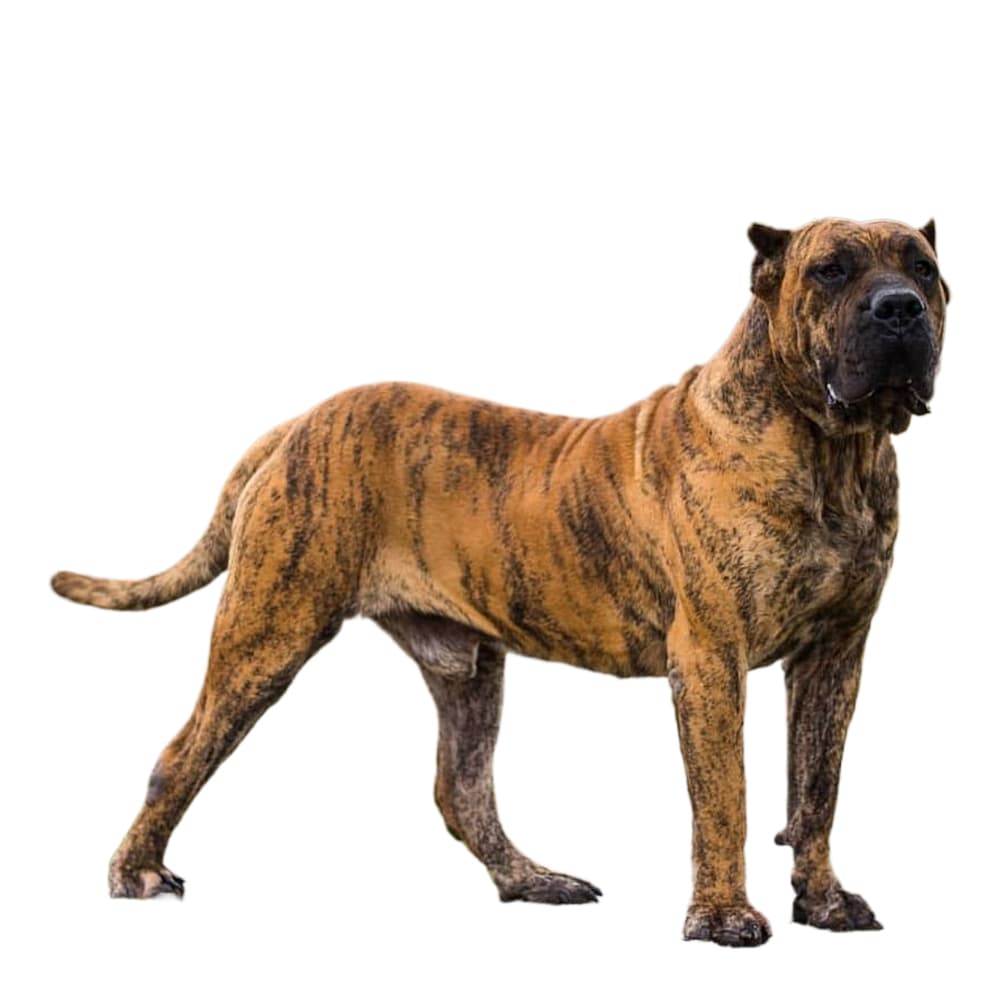
Understanding the Magnificent Presence of the Red Tibetan Mastiff
The red Tibetan Mastiff represents one of the most ancient and visually striking guardian breeds known to humanity, originating from the rugged terrain of the Himalayas. According to the American Kennel Club, or AKC, this ancient breed developed as a nocturnal livestock guardian protecting flocks from large predators in high-altitude environments. Modern households occasionally welcome these formidable animals into domestic settings, though the reality of living with such a powerful creature demands careful consideration. Appreciating the lineage and natural instincts of these dogs helps caretakers bridge the gap between their historic working roles and contemporary pet ownership.
💡 Pet Care Key Takeaways:
- Core Focus: Practical health, nutrition, and wellness guidelines for Red Tibetan Mistiff.
- Target Scope: Pet owners, animal caregivers, and veterinary support staff.
- Best Recommendation: Maintain consistent daily routines and consult an accredited veterinarian before introducing major diet or medical changes.
Defining the Characteristics of the Red Tibetan Mastiff
The red Tibetan Mastiff is a large, heavily boned dog characterized by a majestic mane of thick fur and a distinctive, rich reddish coat that ranges from deep mahogany to vibrant gold. Physically, these dogs exhibit immense strength, broad skulls, and a watchful expression that reflects profound intelligence and independence. As a guardian breed, their temperament leans naturally toward aloofness with strangers and intense loyalty to family members. This protective drive means socialization from an early age is vital to ensure these dogs can distinguish between normal household visitors and genuine threats.
Guardianship Instincts and Environmental Management
Managing the strong territorial behaviors of a large guardian breed requires secure physical boundaries and continuous environmental awareness. Because these dogs were bred to work independently without human direction, their decision-making processes often operate outside standard obedience paradigms. Owners frequently notice that these animals become more vocal and alert during evening hours, echoing their historic role as night watchmen. Adequate fencing and thoughtful yard design are essential preventive measures to stop unwanted wandering or excessive alarm barking at passersby.
Large livestock guardian breeds typically possess independent problem-solving traits developed through generations of solitary work in high-altitude terrain. — American Kennel Club
Strategic Socialization and Humane Management Techniques
Guiding a powerful canine companion through everyday life relies heavily on positive reinforcement and structured exposure to new stimuli. For behavioral concerns related to territorial guarding or wariness, owners should never utilize punitive, intimidation-based, or dominance-based techniques, as these methods can escalate fear and defensive aggression. Instead, establishing clear routines and rewarding calm behavior builds confidence and trust between the dog and the household. Enrolling in classes focused on Dog Training can provide valuable tools for maintaining reliable control without damaging the human-animal bond.
Best Practices and Common Pitfalls in Guardian Care
Avoiding common mistakes in giant-breed husbandry ensures long-term harmony and prevents avoidable stress for both the animal and the household. A frequent error involves failing to provide adequate mental stimulation, which can lead to destructive chewing or obsessive patrolling behaviors. Furthermore, heavy double coats require consistent grooming to prevent painful matting and skin infections, particularly during seasonal shedding periods. Exploring insights found within general Dog Care resources helps maintain optimal daily wellness routines tailored to large breeds.
Regular veterinary wellness checks are essential for monitoring joint health, weight distribution, and coat condition in large, heavy-boned dog breeds. — American Veterinary Medical Association
Pet Care & Wellness Overview Table
| Life Stage | Daily Activity Level | Key Nutrition / Care Focus |
|---|---|---|
| Puppy / Kitten | High (frequent short bursts) | High-protein growth diet & early socialization |
| Adult Companion | Moderate (30–60 mins daily) | Balanced maintenance nutrition & dental hygiene |
| Senior Pets | Low to Gentle (mindful walks) | Joint support (Glucosamine) & routine vet checks |
Images References


Anatomy, Growth, and Structural Considerations
The physical development of giant breeds extends over several years, requiring careful management of exercise intensity during puppyhood to protect developing joints. Nutrition must be carefully balanced to support steady growth without promoting excessive weight gain, a factor that heavily influences long-term musculoskeletal health. Researching specialized topics in Dog Nutrition can guide caregivers in selecting appropriate diets formulated for large and giant breeds. Understanding these foundational physiological needs prevents common developmental complications as the animal matures into adulthood.
When to Consult a Veterinarian or Professional Behaviorist
Professional guidance becomes necessary whenever sudden behavioral shifts, persistent fear, or signs of physical discomfort arise within the household. For aggression, fear, anxiety, and other serious behavior concerns, guardians should avoid unverified home remedies and instead consult a qualified, appropriately certified trainer or veterinary behaviorist. Additionally, any sudden changes in mobility, appetite, or breathing warrant an immediate evaluation. For suspected poisoning, difficulty breathing, seizures, collapse, severe bleeding, or other potentially urgent conditions, immediate veterinary care is required.
Conclusion and Further Resources
Welcoming a majestic guardian into a home environment requires dedication, deep understanding, and a commitment to lifelong education regarding breed-specific needs. By prioritizing proper socialization, health monitoring, and humane management, owners can foster a safe and enriching life for these remarkable animals. To explore more topics related to canine wellness, behavior, and breed characteristics, visit PetsAnimalsWorld.com and browse categories such as Dog Health and Dog Breeds.