

Introduction
The phenomenon of puppies biting toys is a fundamental aspect of their early development, serving multiple crucial purposes. Far from being merely a playful activity, this behavior is integral to a puppy’s physical maturation, cognitive development, and understanding of appropriate interactions with their environment. It primarily manifests during the puppy stage, particularly coinciding with the teething period, but also extends into exploratory and energy-release phases. For dog owners, comprehending the underlying reasons for puppies engaging with toys through biting is paramount. This understanding allows for the positive guidance of natural instincts, helping to prevent the development of destructive chewing habits and ensuring that a puppy grows into a well-adjusted adult dog with healthy behavioral patterns. By recognizing the significance of this behavior, owners can proactively enhance a dogs well-being, encourage proper oral health, and foster a more harmonious coexistence within the home.
💡 Pet Care Key Takeaways:
- Core Focus: Practical health, nutrition, and wellness guidelines for Puppy Biting Toys.
- Target Scope: Pet owners, animal caregivers, and veterinary support staff.
- Best Recommendation: Maintain consistent daily routines and consult an accredited veterinarian before introducing major diet or medical changes.
Common Causes and Key Factors
Puppies biting toys stems from a variety of natural and environmental factors, each contributing to this essential behavior. Understanding these causes helps in addressing the behavior constructively. For more related activities, check out our Dog Heat Behavior Changes.
A primary driver for puppies biting toys is teething. As deciduous (baby) teeth emerge and later fall out to make way for permanent adult teeth, puppies experience discomfort and pressure in their gums. Biting and chewing on toys provides relief by massaging the gums and helping to dislodge loose teeth.
Exploration and sensory learning also play a significant role. Puppies perceive their world largely through their mouths, using their jaws and teeth to investigate textures, shapes, and the properties of objects. Toys offer safe and acceptable targets for this natural curiosity.
Furthermore, biting toys serves as a vital outlet for play and energy release. Young dogs possess abundant energy and an innate drive to engage in playful activities. Chewing and tugging on toys can simulate hunting behaviors, providing both physical exercise and mental stimulation that satisfies these instincts.
Boredom or a lack of mental and physical stimulation can also intensify a puppys desire to bite toys, or even inappropriate items. Without sufficient engagement, puppies will often seek their own forms of entertainment, with chewing being a common choice.
Occasionally, mild anxiety or stress can manifest as increased chewing. The repetitive action of biting can be a self-soothing mechanism for some puppies when feeling overwhelmed or left alone.
Finally, habit formation is a key factor. If puppies are not consistently provided with appropriate chew toys and guided away from unsuitable items, they may develop a habit of chewing anything accessible, irrespective of its appropriateness. Some breeds also exhibit a naturally stronger drive to chew, making toy selection and guidance even more critical.
Signs and Symptoms to Observe
Observing a puppy’s biting behavior towards toys can provide valuable insights into its needs and overall well-being. The manifestations of this behavior can vary, offering clues about its underlying purpose.
The type and condition of toys being bitten are important indicators. Puppies should be provided with toys appropriate for their size and chewing strength. Signs of extensive damage to very durable toys might suggest a strong chewing drive or a need for more stimulating alternatives. Conversely, a lack of interest in designated chew toys might point to boredom or a preference for forbidden items.
The intensity and frequency of biting offer further clues. Gentle gnawing is typical for teething relief or casual exploration. However, relentless, frantic chewing, especially when accompanied by destructive tendencies towards non-toy items, could signal excessive energy, anxiety, or a lack of proper redirection.
Associated behaviors are also worth noting. A puppy that growls or becomes possessive over a toy when approached might be exhibiting early signs of resource guarding, requiring immediate attention. Conversely, a puppy that brings a toy to an owner and then bites it gently is often inviting interaction and play.
Dental health can be directly observed during periods of intense chewing. Reddened or swollen gums are common during teething. However, any signs of bleeding, cracked teeth, or extreme sensitivity should prompt veterinary consultation. The material of the toys themselves can also impact dental health; excessively hard toys can damage developing teeth.
The age of the puppy is a significant factor. Biting intensity is typically highest during the 3-6 month period when permanent teeth are erupting. A decrease in intense chewing after this phase is generally expected, provided appropriate outlets are consistently available.
Finally, the environmental context of the biting behavior is important. Does the puppy chew more when left alone? Does it increase when guests are present or during periods of high excitement? These patterns can indicate triggers for the behavior, such as separation anxiety or overstimulation.
Practical Solutions and Management Strategies
Effectively managing a puppys natural inclination to bite toys involves a multi-faceted approach focused on appropriate provisions, consistent training, and environmental enrichment. These strategies help to channel the behavior positively and prevent future issues.
Appropriate Toy Selection is foundational. Puppies require a variety of chew toys that are safe, durable, and size-appropriate. These can include rubber toys, dental chews, puzzle toys, and textured options. Rotating toys regularly can maintain interest and prevent boredom. Toys that are too hard can damage teeth, while those too soft may be easily ingested.
Redirection is a key training technique. When a puppy attempts to chew an inappropriate item, a calm but firm “no” should be used, immediately followed by offering an approved chew toy. Once the puppy begins to chew the toy, positive reinforcement, such as praise or a gentle pet, should be given. Consistency is crucial for the puppy to learn what is acceptable.
Providing Structured Play and Mental Stimulation helps to burn off excess energy and satisfy intellectual needs. Regular play sessions involving fetch, tug-of-war (with rules), and interactive games can reduce the impulse for destructive chewing. Puzzle feeders and enrichment toys that dispense treats can keep puppies engaged and mentally challenged for extended periods.
For teething puppies, offering Teething Relief can be highly effective. Frozen chew toys, chilled carrots, or specially designed teething rings can provide soothing pressure on sore gums. Supervision is always recommended when offering food items.
Crate Training offers a safe and controlled environment where a puppy is less likely to chew on forbidden items when unsupervised. A comfortable crate, equipped with approved toys, can become a secure den.
Supervision and Puppy-Proofing are essential during the early stages. Keeping valuable or dangerous items out of reach prevents opportunistic chewing. Supervision allows for immediate intervention and redirection when an inappropriate chewing attempt occurs.
In certain circumstances, Bitter Sprays designed for pets can be applied to non-approved items to deter chewing. These products make items unappealing to the puppy’s taste without causing harm, but their effectiveness can vary between individuals.
When Professional Help May Be Needed
While puppy biting toys is largely a normal developmental behavior, there are specific instances when professional intervention becomes advisable. Recognizing these situations ensures a puppy receives the most appropriate care and guidance.
Excessive or Destructive Chewing that persists beyond the normal puppy phase, or consistently targets valuable household items despite consistent redirection, warrants professional assessment. This may indicate underlying anxiety, insufficient stimulation, or a deeply ingrained habit that requires specialized behavioral modification.
A significant concern is the ingestion of non-food items. If a puppy frequently attempts to swallow pieces of toys, fabric, or other inappropriate objects, there is a serious risk of gastrointestinal blockage or toxicity. This behavior requires immediate veterinary attention to rule out medical issues and behavioral intervention to prevent future occurrences.
If biting toys becomes associated with aggression or resource guarding, where the puppy growls, snarls, or attempts to bite when a toy is approached or removed, professional help is crucial. This behavior can escalate and pose a safety risk to household members and other pets, necessitating guidance from a qualified dog behaviorist.
Any signs of self-mutilation, such as a puppy excessively chewing or licking its own paws, tail, or body, should be evaluated by a veterinarian. This could indicate pain, allergies, or an anxiety disorder.
Furthermore, if chewing is accompanied by signs of pain or dental distress, such as reluctance to eat, pawing at the mouth, whimpering, or unusual sensitivity to touch around the face, a veterinary consultation is essential. This can rule out fractured teeth, gum infections, or other oral health issues.
Finally, if consistent application of management strategies and training techniques proves unresponsive or ineffective, seeking the expertise of a certified professional dog trainer or a veterinary behaviorist is recommended. These professionals can provide tailored strategies, identify underlying causes that may have been overlooked, and ensure the puppy develops into a well-behaved companion.
Conclusion
Understanding puppy biting toys is an integral part of responsible dog ownership, recognizing this behavior not merely as a nuisance but as a vital component of a young dog’s development. From satisfying the discomfort of teething to fulfilling the innate drive for exploration and play, the act of biting toys is a natural and necessary expression for puppies. By providing appropriate chew outlets, consistently redirecting unwanted chewing, and enriching a puppy’s environment with mental and physical stimulation, owners can effectively guide this behavior. Awareness of the causes, careful observation of a puppy’s habits, and the consistent application of positive reinforcement are crucial. When concerns arise, or if the behavior becomes excessive or destructive, seeking professional veterinary or behavioral guidance is an important step. Ultimately, a proactive and informed approach to puppy biting toys fosters a well-adjusted, content dog, strengthening the bond between companion animals and their devoted caregivers for a lifetime of happy and healthy interaction.
Pet Care & Wellness Overview Table
| Life Stage | Daily Activity Level | Key Nutrition / Care Focus |
|---|---|---|
| Puppy / Kitten | High (frequent short bursts) | High-protein growth diet & early socialization |
| Adult Companion | Moderate (30–60 mins daily) | Balanced maintenance nutrition & dental hygiene |
| Senior Pets | Low to Gentle (mindful walks) | Joint support (Glucosamine) & routine vet checks |
Images References


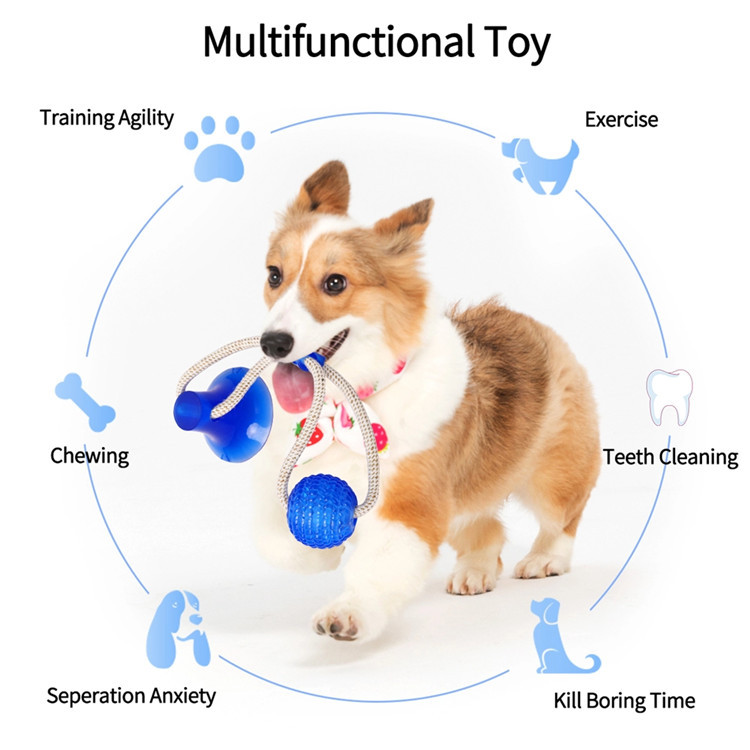
For more expert pet care tips and advice, check out our dedicated Dog Behavior guides to keep your companions healthy and happy.




