
Introduction
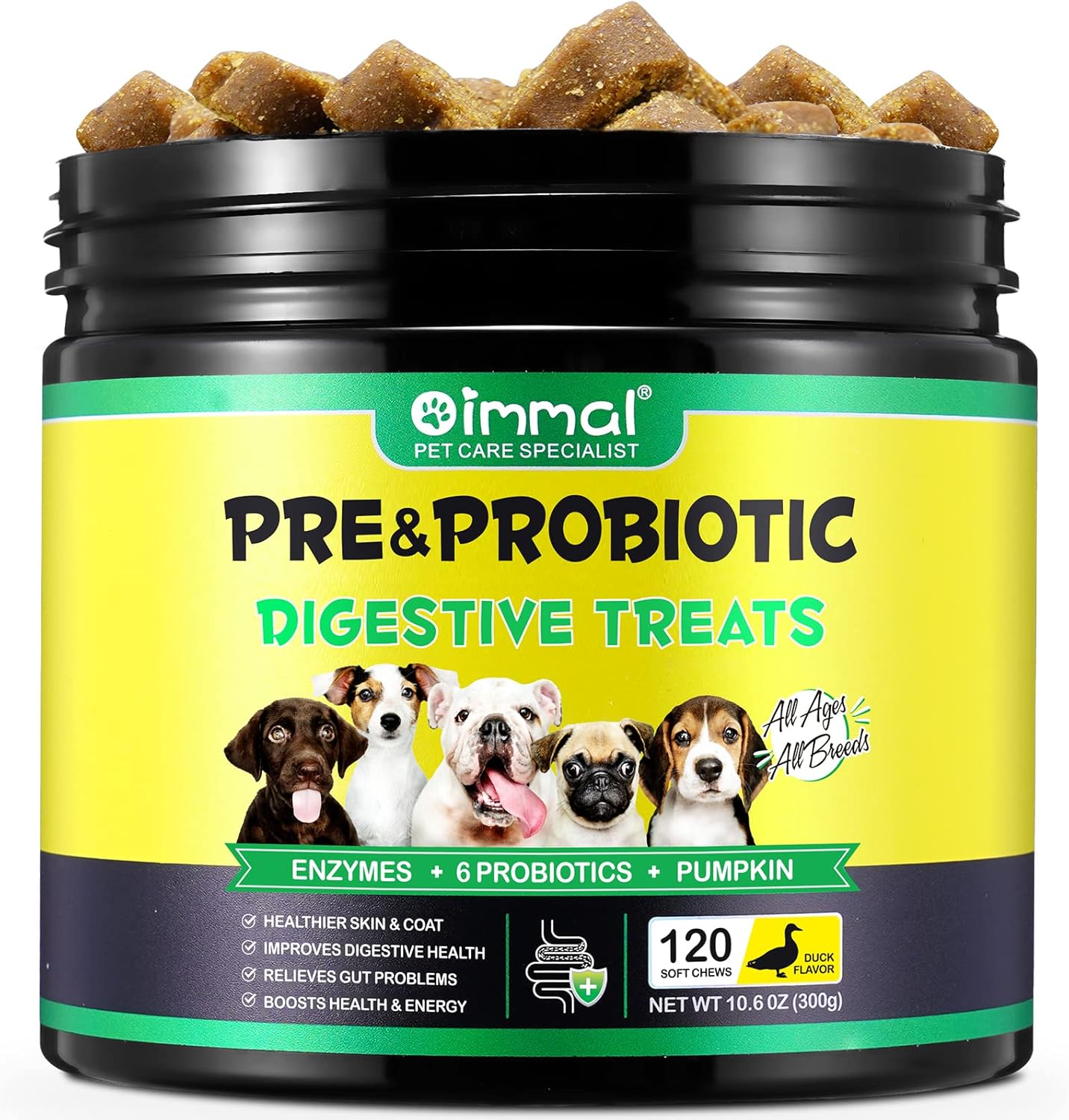
The intricate world within a dog’s gut plays a pivotal role in their overall health, influencing everything from digestion to immunity. Understanding the concept of “pet probiotics for dogs” is becoming increasingly important for owners seeking to optimize their canine companion’s well-being. Essentially, pet probiotics are beneficial live microorganisms, often bacteria, that when administered in adequate amounts, confer a health benefit to the host. They are crucial for maintaining a balanced gut microbiome, which is a complex community of microorganisms residing in the digestive tract.
💡 Pet Care Key Takeaways:
- Core Focus: Practical health, nutrition, and wellness guidelines for Pet Probiotics For Dogs.
- Target Scope: Pet owners, animal caregivers, and veterinary support staff.
- Best Recommendation: Maintain consistent daily routines and consult an accredited veterinarian before introducing major diet or medical changes.
Imbalances in this delicate ecosystem can manifest as various health issues, making supplemental support a valuable consideration. This article delves into the significance of these beneficial bacteria, offering insights into how they contribute to a dog’s vitality, support their immune system, and aid in effective nutrient absorption. Recognizing the role of probiotics can empower dog owners to make informed decisions that significantly enhance their dog’s health and quality of life. For more related activities, check out our Sick Pug At Veterinarian.
Common Causes and Key Factors
The need for pet probiotics in a dog’s diet often stems from disruptions to their natural gut flora, known as dysbiosis. Several factors can contribute to this imbalance, impacting a dog’s digestive and overall health. A primary cause involves dietary changes, such as switching food brands abruptly or consuming a diet lacking in diverse fiber, which is essential for nourishing beneficial gut bacteria. Low-quality ingredients or common allergens in food can also irritate the digestive system and alter the microbiome.
Medical interventions are another significant factor. Antibiotics, while vital for treating bacterial infections, do not differentiate between harmful and beneficial bacteria, often leading to a depletion of the latter. This can result in digestive upset and a weakened immune response. Additionally, stress from environmental changes, such as moving to a new home, boarding, or separation anxiety, can profoundly affect gut health. Illnesses, including gastrointestinal infections, inflammatory bowel disease (IBD), or pancreatitis, can severely compromise the gut’s microbial balance. Even the natural aging process can lead to a decline in beneficial gut bacteria, making older dogs more susceptible to digestive issues. Exposure to toxins or parasites can also disrupt the gut environment, emphasizing the importance of a robust microbial defense.
Signs and Symptoms to Observe
Observing a dog for signs that might indicate a need for probiotic support is crucial for proactive health management. The most common indicators relate to digestive health. Persistent or recurring episodes of diarrhea, loose stools, or constipation are strong signals that the gut microbiome may be out of balance. Excessive gas, bloating, or abdominal discomfort, sometimes accompanied by a decreased appetite, can also suggest digestive distress. Vomiting, particularly when chronic and not clearly linked to dietary indiscretion, warrants attention.
Beyond digestive issues, an imbalanced gut can manifest in other ways. Skin and coat problems, such as chronic itching, dry flaky skin, dull fur, or recurring hot spots, can sometimes be linked to underlying gut health issues, as the gut plays a significant role in immune function and nutrient absorption vital for skin integrity. Frequent infections, including ear infections or urinary tract infections, may point to a compromised immune system, which is heavily influenced by gut health. Behavioral changes like lethargy, decreased energy levels, or even behavioral anomalies such as coprophagia (eating feces) can occasionally be associated with nutrient malabsorption stemming from an unhealthy gut. These signs can vary in intensity depending on a dog’s age, breed predispositions, and the severity of the microbial imbalance.
Practical Solutions and Management Strategies
Implementing practical strategies for managing and improving a dog’s gut health often involves a multi-faceted approach, with pet probiotics playing a central role. The first step involves selecting an appropriate probiotic supplement. It is important to choose products specifically formulated for dogs, as their gut flora differs from that of humans. Look for supplements containing well-researched strains like Lactobacillus and Bifidobacterium species, and ensure the product lists a guaranteed number of colony-forming units (CFUs) at the time of expiration, not just at manufacture. Quality brands often undergo third-party testing for purity and potency. Some effective formulations also include prebiotics, which are non-digestible fibers that feed the beneficial bacteria, creating a symbiotic effect.
Consistent administration according to the manufacturer’s dosage instructions is key to success. Probiotics can typically be given with food, making them easy to incorporate into a daily routine. Beyond supplementation, optimizing a dog’s diet is paramount. Feeding a high-quality, balanced dog food that avoids common allergens and artificial ingredients can significantly support gut health. Gradual transitions when changing food brands help prevent digestive upset. Incorporating fresh, whole food components, such as cooked lean meats or certain vegetables, under veterinary guidance, can also enhance dietary diversity. Additionally, minimizing environmental stress through a consistent routine, adequate exercise, and a stable living environment contributes positively to gut function. Ensuring access to clean, fresh water and maintaining good hygiene around feeding areas further supports digestive wellness.
When Professional Help May Be Needed
While the use of pet probiotics can be a beneficial component of a dog’s health regimen, recognizing when to seek professional veterinary assistance is crucial. If a dog exhibits severe or persistent digestive symptoms such as chronic vomiting, bloody diarrhea, extreme lethargy, or significant weight loss, immediate veterinary attention is warranted. These symptoms can indicate serious underlying health conditions that require prompt diagnosis and specific medical treatment, which probiotics alone cannot address.
Furthermore, if a dog’s condition does not show significant improvement after several weeks of consistent probiotic supplementation and dietary adjustments, a veterinary consultation is advisable. A professional can conduct diagnostic tests to identify specific issues, such as parasitic infections, food allergies, inflammatory bowel disease, or exocrine pancreatic insufficiency, which might require prescription medications, specialized diets, or further interventions. Veterinary guidance is also invaluable for selecting the most appropriate probiotic strains and dosages, especially for dogs with pre-existing health conditions or those recovering from illness or antibiotic treatment. Consulting a veterinarian ensures a comprehensive approach to managing a dog’s health, combining the benefits of probiotics with professional medical expertise.
Conclusion
The profound impact of gut health on a dog’s overall vitality underscores the importance of understanding and potentially incorporating “pet probiotics for dogs” into their care routine. These beneficial microorganisms play a critical role in maintaining a balanced digestive system, bolstering immune function, and enhancing nutrient absorption. Recognizing the common factors that can disrupt a dog’s gut microbiome, from dietary changes to stress and antibiotic use, allows for proactive management.
Observing specific signs and symptoms, such as persistent digestive issues, skin problems, or immune weaknesses, can alert owners to potential imbalances. By implementing practical strategies, including choosing high-quality, dog-specific probiotics and supporting these efforts with a balanced diet and stress reduction, significant improvements in a dog’s well-being can be achieved. While probiotics offer substantial support, the importance of professional veterinary consultation for severe, persistent, or undiagnosed health concerns cannot be overstated. A holistic approach, combining informed pet care with professional guidance, ensures that canine companions receive the best possible support for a long, healthy, and happy life.
Pet Care & Wellness Overview Table
| Life Stage | Daily Activity Level | Key Nutrition / Care Focus |
|---|---|---|
| Puppy / Kitten | High (frequent short bursts) | High-protein growth diet & early socialization |
| Adult Companion | Moderate (30–60 mins daily) | Balanced maintenance nutrition & dental hygiene |
| Senior Pets | Low to Gentle (mindful walks) | Joint support (Glucosamine) & routine vet checks |
Images References


For more expert pet care tips and advice, check out our dedicated Dog Health guides to keep your companions healthy and happy.




