

Introduction
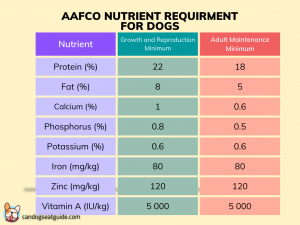
Ensuring a dog receives optimal nutrition is a cornerstone of responsible pet ownership. A critical framework guiding this endeavor is the set of AAFCO Dog Food Nutrient Profiles. Specifically, the AAFCO Dog Food Nutrient Profiles 2022 represent the latest scientific guidelines established by the Association of American Feed Control Officials. These profiles define the minimum and, in some cases, maximum levels of various essential nutrients that dog food must contain to be considered “complete and balanced” for specific life stages. Understanding these profiles is paramount because they serve as the benchmark for virtually all commercially prepared dog foods available in English-speaking countries. When dog food adheres to these rigorous standards, it significantly contributes to preventing nutritional deficiencies or excesses, thereby supporting robust health, stable behavior, and an enhanced overall quality of life for a canine companion.
💡 Pet Care Key Takeaways:
- Core Focus: Practical health, nutrition, and wellness guidelines for Aafco Dog Food Nutrient Profiles 2022.
- Target Scope: Pet owners, animal caregivers, and veterinary support staff.
- Best Recommendation: Maintain consistent daily routines and consult an accredited veterinarian before introducing major diet or medical changes.
Common Causes and Key Factors
The existence and periodic updates of the AAFCO Dog Food Nutrient Profiles, such as the 2022 version, stem from several key factors. Fundamentally, dogs have complex and evolving nutritional requirements that differ significantly from those of humans. These requirements are determined by extensive scientific research into canine physiology, metabolism, and health outcomes. For more related activities, check out our “Fortiflora” And “Gut Health”.
One primary cause for distinct nutrient profiles is the variation in nutritional needs across different life stages. A growing puppy, for instance, requires higher levels of protein, certain fats, and specific minerals like calcium and phosphorus for bone development, compared to an adult dog maintaining its weight. Similarly, lactating mothers have exceptionally high caloric and nutrient demands, while senior dogs might benefit from diets tailored to support joint health or kidney function. AAFCO categorizes these life stages, providing specific profiles for each: Growth, Adult Maintenance, Gestation/Lactation, and an All Life Stages category for foods that meet the most stringent requirements (typically Growth and Reproduction).
Another crucial factor is the dynamic nature of nutritional science. As new research emerges regarding canine metabolism, ingredient bioavailability, and the long-term effects of various nutrient levels, AAFCO periodically reviews and updates its profiles. The “2022” designation signifies a specific iteration of these guidelines, reflecting the most current understanding of canine nutritional science. This continuous evaluation helps ensure that commercial dog foods remain scientifically sound and effective in promoting canine health.
Furthermore, the profiles address the complexities of nutrient interactions and bio-availability from different ingredients. Simply including a nutrient is not enough; it must be in a form that the dog’s body can readily absorb and utilize. The AAFCO profiles guide manufacturers in formulating diets that account for these nuances, preventing imbalances that could arise from poorly designed recipes.
Signs and Symptoms to Observe
When a dog’s diet does not align with appropriate AAFCO nutrient profiles, either through deficiency or excess, observable signs and symptoms can manifest. Recognizing these indicators is vital for early intervention and ensuring proper care.
Signs of Nutritional Deficiency: Poor Coat Quality: A dull, dry, brittle coat, excessive shedding, or skin flakes can indicate deficiencies in essential fatty acids, protein, or certain vitamins. Lethargy and Weakness: Persistent low energy levels, reduced stamina, or muscle weakness may point to insufficient protein, calories, or specific vitamins and minerals crucial for energy production. Poor Growth or Weight Loss: In puppies, a failure to thrive or stunted growth is a clear red flag. In adults, unexplained weight loss despite adequate food intake could signal malabsorption or severe deficiencies. Weakened Immune System: Frequent infections, slow wound healing, or chronic illness can be linked to inadequate intake of vitamins (e.g., A, C, E) and minerals (e.g., zinc, selenium) vital for immune function. Skeletal or Dental Issues: Soft bones, lameness, or poor dental health can result from imbalances in calcium, phosphorus, or Vitamin D, especially critical during growth. Behavioral Changes: While less direct, some deficiencies can lead to subtle behavioral shifts like increased irritability or lack of interest in play.
Signs of Nutritional Excess: Obesity: Excessive caloric intake, especially in relation to a dog’s activity level, is a common issue, leading to conditions like joint stress, diabetes, and heart disease. Skeletal Problems: Over-supplementation, particularly of calcium in large breed puppies, can lead to developmental orthopedic diseases like osteochondrosis (OCD). Organ Stress: High levels of certain minerals or fat-soluble vitamins can accumulate and lead to toxicity, potentially affecting organs like the liver or kidneys. For example, excessive Vitamin A can be harmful. Digestive Upset: Sudden changes or excessively rich diets can cause vomiting, diarrhea, or pancreatitis.
The specific manifestation of these signs can vary significantly based on the dog’s age, breed, existing health conditions, and the duration and severity of the nutritional imbalance. For instance, a growing puppy will exhibit different symptoms of calcium imbalance than an adult dog.
Practical Solutions and Management Strategies
Ensuring a dog’s diet meets the AAFCO Dog Food Nutrient Profiles 2022 is a practical endeavor that primarily involves informed decision-making regarding commercially prepared pet foods and, when necessary, professional guidance.
1. Understanding Pet Food Labels: The most direct way to ensure compliance is by carefully reading pet food labels. Look for the “AAFCO Statement of Nutritional Adequacy” or “AAFCO Statement.” This statement will typically read something like: “\[Product Name] is formulated to meet the nutritional levels established by the AAFCO Dog Food Nutrient Profiles for \[Life Stage].” This indicates that the food has either been formulated to meet the nutrient levels or has passed a feeding trial, confirming its nutritional adequacy for that specific life stage.
2. Choosing the Appropriate Life Stage Formula: Select dog food specifically formulated for the dog’s current life stage (e.g., puppy, adult, senior, all life stages, or gestation/lactation). Feeding a puppy food to an adult dog, or vice versa, can lead to nutrient imbalances over time.
3. Prioritizing Reputable Brands: Generally, well-established pet food manufacturers with a strong reputation, veterinary nutritionists on staff, and robust quality control measures are more likely to consistently meet AAFCO standards. Transparency regarding sourcing and manufacturing processes can also be an indicator of quality.
4. Avoiding Unverified Homemade Diets: While the idea of preparing a dog’s food at home can seem appealing, formulating a nutritionally complete and balanced diet is complex. Without precise calculation and a deep understanding of canine nutritional needs, homemade diets are highly susceptible to deficiencies or excesses, even with diverse ingredients. If considering a homemade diet, it is essential to work with a board-certified veterinary nutritionist.
5. Limiting Unbalanced Treats and Table Scraps: Treats and human foods should only comprise a very small portion (typically less than 10%) of a dog’s total caloric intake to avoid diluting the nutritional balance of their primary diet. Many human foods lack the comprehensive nutrient profile dogs require and can even be harmful.
6. Regular Health Monitoring: Routine veterinary check-ups allow for the early detection of any health issues, including those potentially related to nutrition. A veterinarian can assess a dog’s body condition, coat quality, and overall vitality, providing valuable feedback on the appropriateness of its diet.
When Professional Help May Be Needed
While the AAFCO nutrient profiles provide excellent guidelines for commercial dog food, there are specific situations where the expertise of a veterinary professional becomes indispensable.
Persistent Health Issues: If a dog is exhibiting chronic or unexplained symptoms such as recurring gastrointestinal upset, persistent skin or coat problems, unexplained weight changes, or fluctuating energy levels, even while consuming a “complete and balanced” commercial diet, a veterinary consultation is crucial. These symptoms could indicate underlying medical conditions, food allergies, or subtle nutritional deficiencies that require professional diagnosis and dietary adjustment.
Specific Dietary Needs: Dogs with unique health challenges, such as kidney disease, diabetes, pancreatitis, severe allergies, or certain orthopedic conditions, require highly specialized diets that go beyond general AAFCO-compliant foods. Veterinary-prescribed therapeutic diets are formulated to manage specific medical conditions and are often the result of extensive research and clinical trials. In these cases, a veterinarian or a board-certified veterinary nutritionist will be able to recommend or formulate the most appropriate diet.
Considering Homemade or Raw Diets: For pet owners contemplating a homemade or raw food diet, professional guidance is absolutely essential. As previously noted, ensuring these diets are nutritionally complete and balanced requires intricate knowledge and precise formulation, which is almost impossible for an untrained individual to achieve safely. A board-certified veterinary nutritionist can design a recipe tailored to the dog’s individual needs, ensuring it adheres to all necessary nutrient profiles.
Uncertainty About Food Choices: With the vast array of dog foods available, discerning the best option can be overwhelming. If a dog owner is unsure about which commercial diet is best suited for their dog’s breed, age, activity level, or any specific sensitivities, a veterinarian can provide personalized recommendations based on the dog’s individual profile and health history.
Professional veterinary guidance ensures that a dog’s nutritional plan is not only aligned with AAFCO standards but also precisely tailored to its unique physiological and health requirements, safeguarding long-term well-being.
Conclusion
The AAFCO Dog Food Nutrient Profiles 2022 represent a foundational pillar in ensuring the health and well-being of canine companions. These scientifically derived guidelines are essential for formulating commercially available dog foods that provide complete and balanced nutrition for various life stages. Understanding the significance of these profiles empowers dog owners to make informed decisions when selecting their pet’s diet, moving beyond marketing claims to evaluate a product’s true nutritional adequacy.
Vigilance in observing a dog’s physical condition and behavior for signs of nutritional imbalance is paramount. By prioritizing pet foods that explicitly state compliance with AAFCO nutrient profiles and seeking professional veterinary advice for any specific concerns or dietary needs, dog owners contribute significantly to their pet’s vitality, longevity, and overall happiness. Adherence to these standards, coupled with consistent care and professional consultation, ensures that every dog receives the precise nutritional support necessary for a thriving life.
Pet Care & Wellness Overview Table
| Life Stage | Daily Activity Level | Key Nutrition / Care Focus |
|---|---|---|
| Puppy / Kitten | High (frequent short bursts) | High-protein growth diet & early socialization |
| Adult Companion | Moderate (30–60 mins daily) | Balanced maintenance nutrition & dental hygiene |
| Senior Pets | Low to Gentle (mindful walks) | Joint support (Glucosamine) & routine vet checks |
Images References




For more expert pet care tips and advice, check out our dedicated Dog Nutrition guides to keep your companions healthy and happy.




