

Introduction
The well-being of canine companions is a priority for many dog owners, and addressing health challenges such as allergies forms a significant part of this commitment. Understanding the role of allergy supplements for dogs is crucial for improving a dogs comfort and overall quality of life. Canine allergies are a common concern, often manifesting as uncomfortable skin conditions, digestive upset, or respiratory issues, which can significantly impact a dog’s daily behavior and happiness. These issues commonly arise due to environmental factors, food sensitivities, or genetic predispositions. Exploring how targeted supplementation can support the immune system and skin barrier provides valuable insight into proactive canine care.
💡 Pet Care Key Takeaways:
- Core Focus: Practical health, nutrition, and wellness guidelines for Allergy Supplements For Dogs.
- Target Scope: Pet owners, animal caregivers, and veterinary support staff.
- Best Recommendation: Maintain consistent daily routines and consult an accredited veterinarian before introducing major diet or medical changes.
Common Causes and Key Factors
Canine allergies stem from an overactive immune response to otherwise harmless substances, known as allergens. The primary categories of allergens impacting dogs include environmental, food-related, and flea saliva. Environmental allergens, such as pollen, dust mites, mold spores, and grass, are seasonal or perennial and typically lead to atopic dermatitis, characterized by intense itching and skin inflammation. Food allergies, often triggered by common protein sources like chicken, beef, or dairy, can result in gastrointestinal symptoms such as vomiting and diarrhea, alongside skin issues. Flea allergy dermatitis is caused by an allergic reaction to flea saliva, leading to severe localized itching. For more related activities, check out our Natural Remedies For Fluid Retention In Dogs Australia.
Several key factors influence a dog’s susceptibility to allergies. Genetic predisposition plays a significant role, with certain breeds showing a higher propensity for developing allergies. Exposure to allergens, the dog’s overall immune health, and the integrity of the skin barrier are also crucial. A compromised skin barrier allows allergens to penetrate more easily, exacerbating reactions. Similarly, an imbalanced gut microbiome can influence immune system regulation, potentially contributing to allergy development or severity.
Signs and Symptoms to Observe
Recognizing the signs and symptoms of allergies in dogs is essential for timely intervention. The most common indicators relate to dermatological issues. Persistent scratching, licking, or chewing of the skin, paws, and base of the tail are prominent signs. Dogs may develop red, inflamed skin, rashes, hot spots (acute moist dermatitis), or hair loss in affected areas. Chronic ear infections, characterized by head shaking, ear discharge, redness, or a foul odor, are also frequently associated with allergies.
Beyond skin-related symptoms, gastrointestinal upset can indicate food allergies. This includes recurrent vomiting, diarrhea, excessive gas, or abdominal discomfort. While less common, some dogs may exhibit respiratory signs such as sneezing, coughing, or watery eyes, particularly with environmental allergens. The presentation of these signs can vary significantly depending on the dog’s age, breed, and the specific allergen. For instance, younger dogs might develop allergies gradually, while certain breeds like French Bulldogs, Labradors, and Golden Retrievers are known to be particularly prone to skin allergies. Consistent observation of a dog’s behavior and physical condition aids in early detection.
Practical Solutions and Management Strategies
Managing canine allergies often requires a multi-faceted approach, with allergy supplements for dogs playing a supportive role alongside other strategies. Dietary adjustments are fundamental for suspected food allergies, involving elimination diets or limited ingredient diets to identify and avoid trigger proteins. Environmental controls, such as regular cleaning, using air purifiers, and wiping down a dog’s paws and coat after outdoor activities, can reduce exposure to environmental allergens. Topical treatments, including medicated shampoos, conditioners, and sprays, can soothe irritated skin and manage secondary infections.
The integration of allergy supplements aims to support the dog’s natural defenses and alleviate symptoms. Omega-3 fatty acids, specifically EPA and DHA, are widely recognized for their anti-inflammatory properties and their ability to support skin barrier health. Probiotics contribute to a balanced gut microbiome, which is intrinsically linked to immune system function and can help modulate allergic responses. Natural antihistamines, such as quercetin, a flavonoid, can help reduce histamine release and inflammation. Digestive enzymes aid in nutrient absorption and can minimize gastrointestinal irritation. Other beneficial supplements include mushroom extracts for immune support, coconut oil for skin and coat health, and MSM (methylsulfonylmethane) for its anti-inflammatory effects. When considering allergy supplements for dogs, selecting high-quality products specifically formulated for canine use is important, and consistency in administration typically yields the best results.
When Professional Help May Be Needed
While supplements and home management strategies can be highly beneficial, there are specific situations when professional veterinary consultation becomes essential. If a dog’s symptoms are persistent, severe, or worsening despite diligent home care, veterinary intervention is warranted. Signs such as open sores, significant hair loss, constant discomfort, or the development of secondary bacterial or yeast infections indicate a need for professional assessment.
Veterinarians can conduct diagnostic tests, including allergy testing (blood tests or intradermal skin tests) to identify specific environmental allergens, or guide an elimination diet to pinpoint food sensitivities. Professional guidance is also crucial for prescribing medications, such as antihistamines, corticosteroids, or newer immunomodulatory drugs, when symptoms are severe or unresponsive to other methods. A veterinarian can offer tailored advice on the most appropriate allergy supplements for dogs, ensuring they are safe, effective, and do not interact negatively with other treatments or underlying health conditions. Ensuring a dog’s quality of life is not significantly compromised is the ultimate goal, and a vet can provide the most comprehensive care plan.
Conclusion
Allergies in dogs are a prevalent and often challenging condition that can diminish a dog’s comfort and happiness. Understanding the various causes, recognizing the observable signs, and implementing a holistic management plan are fundamental for canine well-being. Allergy supplements for dogs serve as a valuable component of this strategy, offering supportive benefits that can enhance immune function, strengthen the skin barrier, and mitigate inflammatory responses. Proactive observation, consistent care, and the judicious use of appropriate supplements can significantly improve a dog’s quality of life. However, it is always important to remember that such supplements are best utilized as part of a comprehensive approach, developed in consultation with a veterinary professional, to ensure the most effective and safest outcomes for every beloved canine companion.
Pet Care & Wellness Overview Table
| Life Stage | Daily Activity Level | Key Nutrition / Care Focus |
|---|---|---|
| Puppy / Kitten | High (frequent short bursts) | High-protein growth diet & early socialization |
| Adult Companion | Moderate (30–60 mins daily) | Balanced maintenance nutrition & dental hygiene |
| Senior Pets | Low to Gentle (mindful walks) | Joint support (Glucosamine) & routine vet checks |
Images References


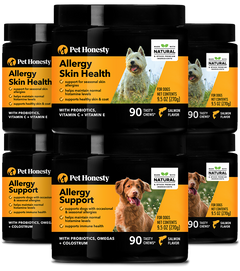
For more expert pet care tips and advice, check out our dedicated Dog Health guides to keep your companions healthy and happy.


