
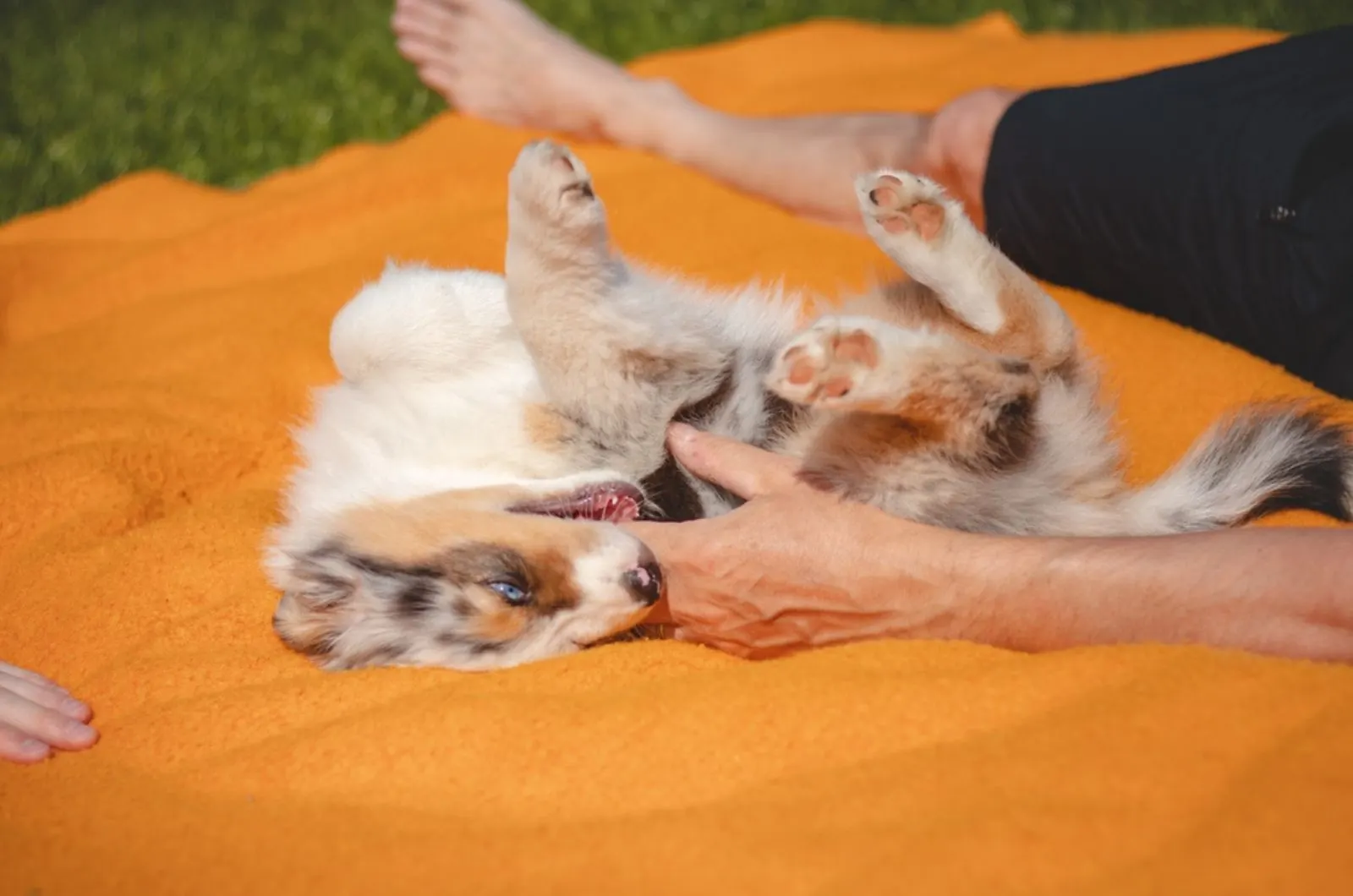
Understanding the intense nipping phase of a young herding dog requires patience, as it is a natural part of their developmental journey.
According to the American Kennel Club, herding breeds possess deeply ingrained instinctual behaviors that manifest very early in life. When raising a young dog from this energetic group, caretakers often encounter sharp teeth clamped onto pant legs, ankles, and hands. This phenomenon, widely known as the australian shepherd puppy bite stage, can overwhelm even the most dedicated household members. Watching a tiny, fluffy dog transform into a little alligator is a universal rite of passage for owners of this dynamic breed. Fortunately, understanding the biological drivers behind this chewing behavior helps transform frustration into effective guidance.
💡 Pet Care Key Takeaways:
- Core Focus: Practical health, nutrition, and wellness guidelines for Australian Shepherd Puppy Bite Stage.
- Target Scope: Pet owners, animal caregivers, and veterinary support staff.
- Best Recommendation: Maintain consistent daily routines and consult an accredited veterinarian before introducing major diet or medical changes.
The australian shepherd puppy bite stage refers to the normal developmental period when a canine uses its mouth to explore the environment and practice inherited herding tendencies.
During the first few months of life, a canine relies heavily on tactile input through its mouth. Because these dogs were originally bred on ranches to control livestock by nipping at their heels, their genetic blueprint demands physical engagement through biting. This phase typically intensifies around eight weeks of age and peaks during teething, which occurs roughly between four and six months of age as adult teeth push through sensitive gums. Furthermore, this nipping is rarely fueled by genuine malice; rather, it represents a mixture of instinctive herding, sensory exploration, and a desperate need for physical relief from sore gums. For more related activities, check out our Dog Velcro Behavior.
Left unchecked, inappropriate mouthing habits can escalate into dangerous adult behaviors that jeopardize public safety and animal welfare. Canine teeth are remarkably sharp during youth, capable of breaking human skin easily and tearing delicate clothing fabrics. In veterinary practice, professionals frequently observe that handlers who react with shouting or physical punishment inadvertently increase canine arousal, turning a game of chase into a fearful standoff. Implementing structured socialization and teaching bite inhibition—which is the ability to control the force of one’s bite—teaches the developing animal how to interact safely with human skin. Providing appropriate outlets for their high mental and physical stamina keeps unwanted nipping directed away from family members and toward acceptable chew toys.
Puppies explore their world primarily through their mouths, making early mouthing a standard part of normal canine development. — American Kennel Club
Managing the australian shepherd puppy bite stage effectively involves redirecting high-energy impulses toward appropriate toys while consistently discouraging human skin contact.
When a sharp set of teeth fastens onto a bare ankle, the immediate reaction should be to freeze rather than run away, as running triggers the animal’s predatory chase instinct. Introducing a durable chew toy right at the moment of contact provides an acceptable alternative outlet for that pent-up chewing energy. Additionally, teaching alternative commands such as “sit” or “leave it” gives the dog a clear behavioral job to do instead of biting. Consistent daily mental stimulation, including puzzle feeders and basic obedience games, burns off excess cognitive energy that might otherwise fuel unwanted nipping.
Avoiding common training pitfalls ensures that redirection techniques succeed without damaging the bond of trust between handler and animal.
One frequent mistake is using rapid hand movements to push the dog away, which the animal misinterprets as an invitation to wrestle. Another counterproductive tactic involves alpha-rolls or physical reprimands, which studies from organizations like the American Veterinary Medical Association show often provoke defensive aggression or severe anxiety in young canines. Instead, keeping human reactions calm, neutral, and predictable teaches the animal that teeth never make contact with human flesh. Utilizing time-outs—where the human quietly steps behind a barrier for thirty seconds following a hard bite—teaches a clear cause-and-effect lesson that biting makes human playmates disappear instantly.
Proper socialization during the first few months of life significantly reduces behavioral problems and fear-based reactions in adult dogs. — American Society for the Prevention of Cruelty to Animals
Pet Care & Wellness Overview Table
| Life Stage | Daily Activity Level | Key Nutrition / Care Focus |
|---|---|---|
| Puppy / Kitten | High (frequent short bursts) | High-protein growth diet & early socialization |
| Adult Companion | Moderate (30–60 mins daily) | Balanced maintenance nutrition & dental hygiene |
| Senior Pets | Low to Gentle (mindful walks) | Joint support (Glucosamine) & routine vet checks |
Images References





Breed-specific traits and high intelligence levels mean that these dogs require specialized physical and mental outlets during their developmental months.
As a classic representative of active working stock, this breed possesses boundless endurance that requires structured daily channels. A bored canine quickly finds its own entertainment, which almost always involves chasing moving objects and nipping at heels. Recognizing that the australian shepherd puppy bite stage is heavily tied to their work-oriented ancestry helps caretakers provide appropriate games, such as tracking, fetch, and agility fundamentals. Addressing the whole animal—body and mind—prevents destructive outlets and fosters a balanced, confident adult companion.
Professional guidance from a veterinarian or certified behaviorist becomes necessary if biting behavior escalates into severe aggression, growling, or freezing during handling.
While normal teething nipping gradually diminishes with maturity and consistent training, persistent or escalating aggression requires professional intervention. A thorough veterinary examination rules out underlying medical causes, such as painful dental issues or juvenile joint pain, that might cause a dog to snap when touched. If behavioral modification plans fail to reduce the frequency or intensity of the bites, consulting a certified professional dog trainer or veterinary behaviorist ensures safe, science-based intervention strategies. To explore more about canine wellness, read up on proper Dog Health practices and foundational Dog Training techniques.
Supporting a young herding dog through their developmental milestones lays the groundwork for a lifelong, harmonious relationship built on mutual trust and understanding.
Navigating this sharp-toothed chapter requires immense patience, consistency, and a deep appreciation for the unique genetics of working breeds. By replacing frustration with calm redirection and fulfilling the animal’s intense need for mental work, households can successfully bridge the gap between rambunctious youth and well-mannered adulthood. Explore additional resources on Dog Behavior, research specific Dog Breeds, or discover essential tips on everyday Dog Care. Visit PetsAnimalsWorld.com today to continue learning how to provide the best possible life for all your beloved animal companions.




