
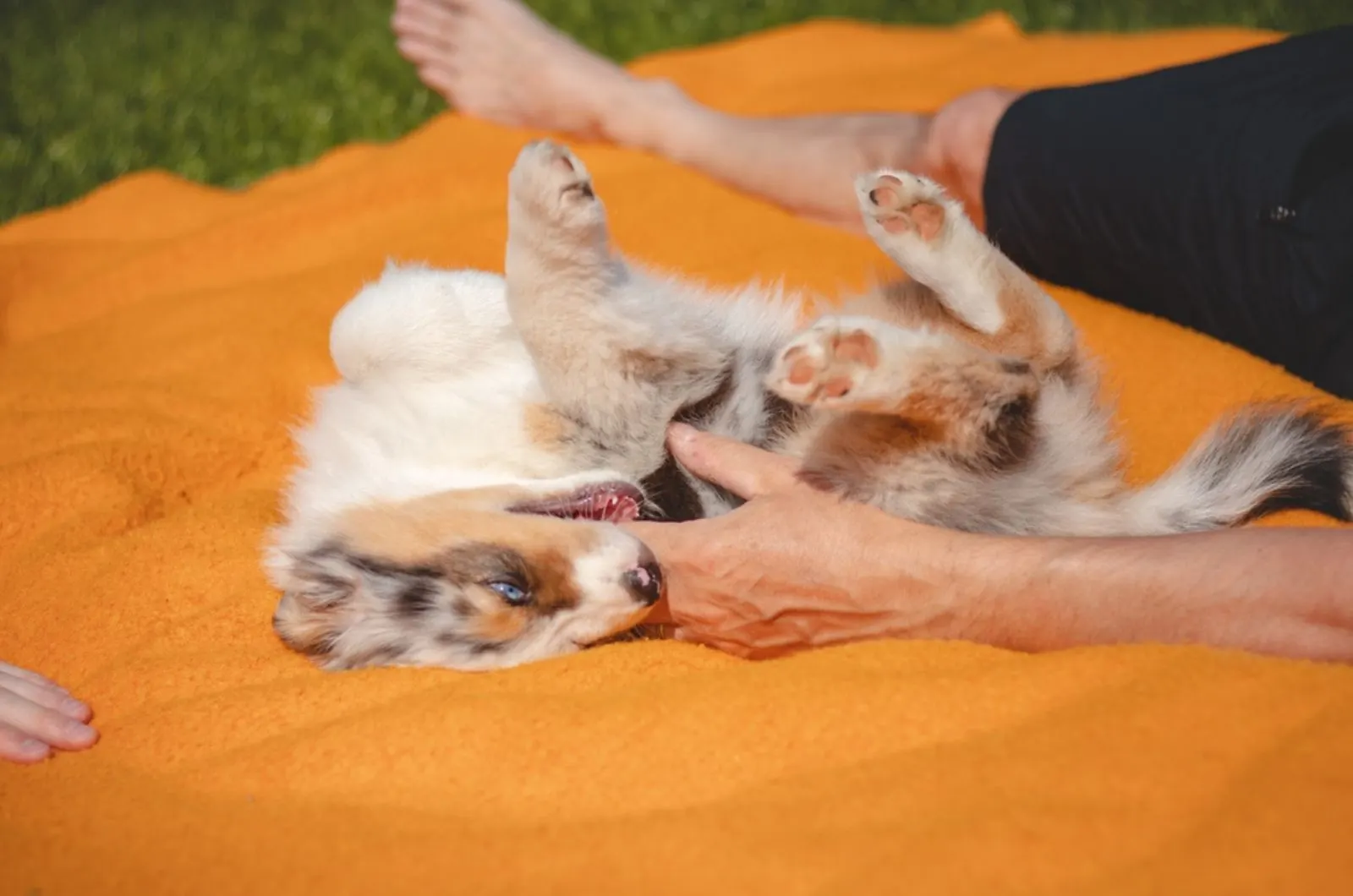
According to the American Kennel Club, herding breeds possess an intensely energetic predisposition and a genetic blueprint built around managing movement, which directly shapes how they interact with human family members. Welcoming a young herding dog into a household brings immense joy, yet physical affection like wrapping arms around a growing canine can inadvertently trigger an enthusiastic response. Far from being malicious, this dynamic behavior stems from natural instincts and developmental milestones that every caregiver must navigate with patience and consistency. Observing a young dog in a professional setting often reveals that standard physical affection can sometimes overwhelm a sensitive, high-drive animal, causing them to react with sudden mouthiness.
💡 Pet Care Key Takeaways:
- Core Focus: Practical health, nutrition, and wellness guidelines for Australian Shepherd Puppy Playful Biting During Hugs.
- Target Scope: Pet owners, animal caregivers, and veterinary support staff.
- Best Recommendation: Maintain consistent daily routines and consult an accredited veterinarian before introducing major diet or medical changes.
Australian shepherd puppy playful biting during hugs is a natural expression of herding instincts mixed with over-arousal.
What looks like aggressive nipping is actually a manifestation of exploratory behavior, teething discomfort, and the breed’s innate urge to control motion. When a human bends down to embrace a lively canine, the sudden movement, close proximity to the face, and restriction of physical space can mimic the triggers that prompt herding dogs to nip at heels or limbs in the pasture. Furthermore, young dogs process their environment primarily through their mouths. During the teething phase, which typically peaks between three and six months of age, sore gums amplify the urge to clamp down on available targets. Understanding this root cause allows caregivers to shift away from frustration and focus on proactive management strategies that redirect that high energy into acceptable outlets.
Allowing this mouthing behavior to persist unchecked can lead to entrenched habits that become dangerous as the dog matures into an adult.
While a tiny nipping puppy seems harmless, letting the behavior continue during intimate contact sets a troubling precedent for long-term Dog Behavior. Herding breeds possess powerful jaws and quick reflexes, meaning unaddressed puppy mouthing can quickly escalate into accidental injuries during routine handling. In addition to physical risks, erratic responses to affection can create confusion for the animal, weakening the bond of trust between dog and owner. Teaching proper boundaries early on ensures that future interactions remain safe, calm, and mutually enjoyable for everyone involved in the household.
Herding breeds require consistent mental stimulation and structured physical outlets to prevent over-arousal during close physical contact. — American Kennel Club
Managing australian shepherd puppy playful biting during hugs requires proactive redirection, modified affection styles, and clear communication.
Modifying how physical affection is delivered can dramatically reduce the frequency of unwanted nipping incidents. Instead of traditional tight embraces, which can feel restrictive and provoke a defensive or excited counter-response, caregivers should practice side-by-side petting or calm, low-level praise that keeps the dog’s feet firmly on the ground. When working through foundational Dog Training lessons, teaching an alternative behavior—such as sitting calmly for a treat or targeting a stationary object—gives the animal a clear job to do instead of reaching for hands or clothing. Consistency across all household members ensures the puppy receives a unified message regarding what constitutes acceptable social etiquette.
Avoiding common mistakes like yelling or physical punishment ensures that affectionate moments do not inadvertently turn into fearful interactions.
Reacting to a nip with high-pitched vocalizations or sudden swatting often mimics the erratic movement of prey or livestock, inadvertently exciting the puppy even more and fueling the cycle. Instead, mastering the art of the sudden freeze—becoming entirely motionless and removing all attention—teaches the dog that teeth-on-skin results in the immediate loss of social engagement. It is equally important to monitor daily schedules; overtired juveniles are notoriously prone to frantic mouthing and poor impulse control. Ensuring the animal receives adequate nap times throughout the day acts as a powerful preventative tool against over-arousal.
Adolescent dogs require predictable routines and adequate rest to regulate their emotional responses during high-energy play and handling. — American Society for the Prevention of Cruelty to Animals
Pet Care & Wellness Overview Table
| Life Stage | Daily Activity Level | Key Nutrition / Care Focus |
|---|---|---|
| Puppy / Kitten | High (frequent short bursts) | High-protein growth diet & early socialization |
| Adult Companion | Moderate (30–60 mins daily) | Balanced maintenance nutrition & dental hygiene |
| Senior Pets | Low to Gentle (mindful walks) | Joint support (Glucosamine) & routine vet checks |
Images References
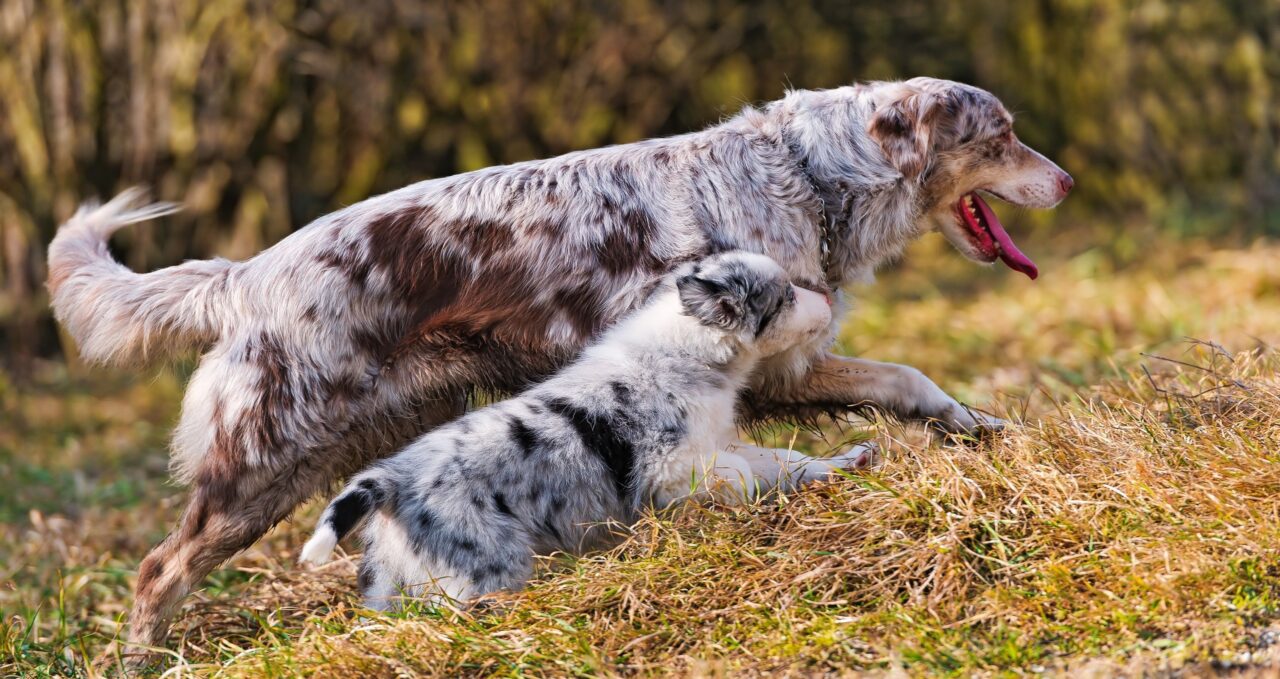






Breed-specific traits and developmental age dictate how intensely a young canine reacts to restriction and handling.
Recognized for their striking intelligence and intense work ethic, Australian Shepherds demand specialized Dog Breeds consideration when evaluating their behavioral needs. These dogs were originally bred to make independent decisions while managing stubborn livestock, meaning they naturally analyze physical movements and respond swiftly. When a human hugs them, the restriction of movement can conflict with their desire for freedom and environmental control, prompting an instant reaction. Recognizing that this sensitivity is a hallmark of the heritage helps owners tailor their handling techniques to suit the unique wiring of these brilliant, high-drive canines.
Consulting a certified professional trainer or veterinary behaviorist becomes essential if the nipping escalates into genuine aggression or fear.
While normal puppy mouthing resolves steadily with consistent guidance, persistent biting accompanied by stiff body posture, growling, or snapping requires expert evaluation. General Dog Health checks should always be the first step to rule out underlying pain, ear infections, or dental discomfort that might make the animal defensive during close handling. A qualified professional can design a customized behavior modification plan that prioritizes positive reinforcement and safety, ensuring the long-term well-being of both the pet and the family.
Fostering a harmonious relationship through patience and structured guidance creates a lifetime of safe and loving companionship.
Navigating the high-energy puppy phase takes time, dedication, and an understanding of canine communication cues. By respecting individual boundaries, providing appropriate physical and mental outlets, and maintaining calm consistency, owners can transform chaotic interactions into peaceful moments of connection. Explore more expert advice on Dog Care and overall wellness by visiting PetsAnimalsWorld.com to ensure every stage of your journey together is healthy, safe, and rewarding.




