Introduction
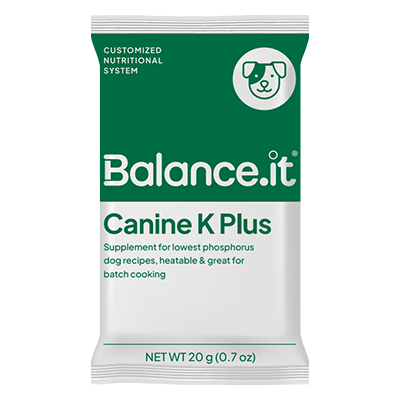
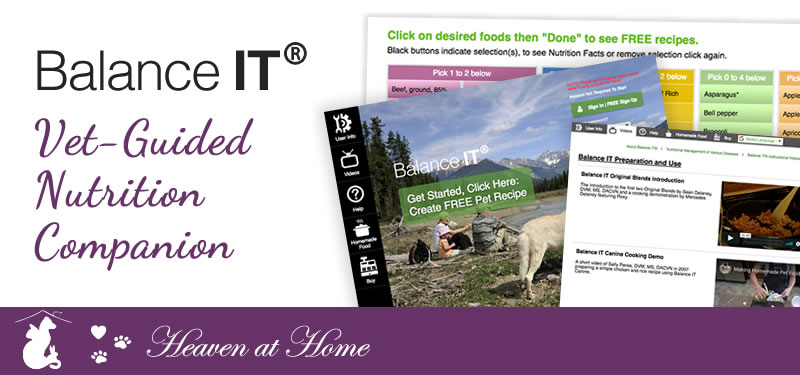
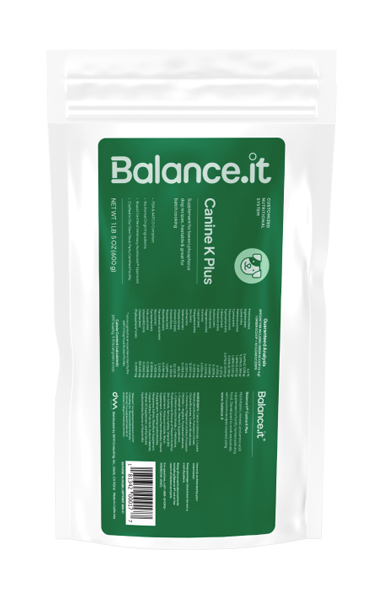
Ensuring a dog receives a nutritionally complete and balanced diet is fundamental to its long-term health and well-being. For many dog owners, the appeal of preparing homemade meals for their canine companions is strong, driven by desires for fresh ingredients, specific dietary control, or addressing sensitivities. However, crafting a homemade diet that provides all essential nutrients in the correct proportions is a complex scientific endeavor, often leading to unintentional deficiencies or excesses. This is where a specialized product like a “Balance It supplement for dogs” becomes crucial. These supplements are precisely formulated dietary additives designed to transform simple homemade ingredients into a nutritionally complete meal, addressing the common challenge of meeting a dog’s intricate dietary requirements. Understanding the role of such a supplement can significantly improve a dogs overall health, energy levels, and quality of life by preventing nutrient-related health issues. Explore more in our Dog Nutrition collection.
💡 Pet Care Key Takeaways:
- Core Focus: Practical health, nutrition, and wellness guidelines for Balance It Supplement For Dogs.
- Target Scope: Pet owners, animal caregivers, and veterinary support staff.
- Best Recommendation: Maintain consistent daily routines and consult an accredited veterinarian before introducing major diet or medical changes.
Common Causes and Key Factors
The primary reason a “Balance It supplement for dogs” or similar product is necessary stems from the inherent difficulty in balancing a homemade canine diet. A common misconception among dog owners is that combining cooked meat and vegetables automatically creates a healthy meal. In reality, dogs have unique nutritional needs that differ significantly from humans. For more related activities, check out our Ol Roy Ingredients List.
One key factor is the complexity of canine nutritional requirements. Dogs require a precise balance of macronutrients (proteins, fats, carbohydrates) and micronutrients (vitamins and minerals). For instance, the crucial calcium-to-phosphorus ratio is rarely correct in homemade diets lacking specific supplementation, which can lead to severe skeletal problems over time. Discover more free resources across our collection library.
Another factor is nutrient depletion during cooking. Many vitamins and minerals are sensitive to heat and can be degraded or lost when ingredients are cooked. Without accounting for these losses, a seemingly nutritious meal can become deficient.
Ingredient variability also plays a role. The exact nutrient content of fresh ingredients can vary based on soil quality, growing conditions, and animal husbandry practices. Relying solely on these ingredients without a comprehensive supplement makes it nearly impossible to ensure consistent nutritional delivery.
Finally, lack of specific knowledge regarding canine dietary science often leads well-intentioned owners to create imbalanced diets. Without guidance from a veterinary nutritionist, it is challenging to meet the specific demands of different life stages (puppy, adult, senior), activity levels, or existing health conditions.
Signs and Symptoms to Observe
When a dog’s homemade diet is nutritionally incomplete or imbalanced, various signs and symptoms may become apparent. These indicators often develop gradually, making early detection important for intervention.
Coat and skin issues are frequently among the first observable signs. A dull, dry, flaky coat, excessive shedding, or persistent skin irritations can point to deficiencies in essential fatty acids, B vitamins, or certain minerals.
Changes in energy levels and vitality are also common. A dog may exhibit lethargy, decreased stamina during walks or play, or a general lack of enthusiasm if it is not receiving adequate energy-producing nutrients or vital micronutrients that support metabolic functions.
Digestive disturbances like chronic diarrhea, constipation, excessive gas, or changes in stool quality can indicate imbalances in fiber, specific nutrients, or general digestive health, often linked to an improperly formulated diet.
More severe signs can include skeletal or joint problems, particularly in growing puppies or older dogs. Lameness, reluctance to move, or poor bone development can be a direct result of an incorrect calcium-to-phosphorus ratio or deficiencies in vitamin D and other bone-supporting minerals. In some cases, pica (the ingestion of non-food items) might suggest a mineral deficiency.
Overall, a weakened immune system, leading to frequent infections, slow wound healing, or general poor health, can also be a symptom of long-term nutritional deficiencies. These signs underscore the critical need for a balanced diet, which a “Balance It supplement for dogs” helps achieve.
Practical Solutions and Management Strategies
Successfully transitioning a dog to a nutritionally complete homemade diet, often involving a “Balance It supplement for dogs,” requires a structured approach and attention to detail.
The initial and most critical step is to consult with a board-certified veterinary nutritionist. These professionals specialize in animal diets and can create specific, balanced recipes tailored to a dog’s age, breed, activity level, and any existing health conditions. They can also provide guidance on selecting the appropriate Balance It formula, as these supplements often come in variations designed for puppies, adults, or dogs with specific needs.
Once a suitable recipe is obtained, precise measurement of all ingredients is paramount. Unlike human cooking, where approximation is often acceptable, canine nutrition demands accuracy. This includes not only the food items but, most importantly, the Balance It supplement itself. Using a digital kitchen scale for ingredients and precise measuring spoons for the supplement ensures the diet delivers the intended nutrient profile.
Adherence to the recipe is equally important. Substituting ingredients or altering cooking methods without professional guidance can disrupt the nutritional balance the supplement is designed to achieve. Owners should follow the nutritionist’s instructions or the Balance It manufacturer’s guidelines explicitly.
Regular monitoring of the dog’s health and body condition is an ongoing management strategy. Observing changes in weight, coat quality, energy levels, and stool consistency provides valuable feedback on the diet’s effectiveness. Any significant changes should prompt a review of the diet with the veterinary nutritionist.
Finally, proper storage and handling of the Balance It supplement are essential to maintain its efficacy. Following the manufacturer’s instructions for storage, usually in a cool, dry place, prevents degradation of vitamins and minerals.
When Professional Help May Be Needed
While a “Balance It supplement for dogs” offers a valuable tool for homemade diets, there are specific circumstances where professional veterinary intervention or specialized nutritional guidance becomes indispensable.
Prior to initiating any homemade diet, a consultation with a veterinarian or a board-certified veterinary nutritionist is strongly recommended. This proactive step ensures that the diet is appropriate for the dog’s individual needs and prevents potential health issues before they arise. A professional can assess the dog’s health status and recommend the most suitable Balance It formula and recipe.
If a dog exhibits persistent health issues despite being on a carefully prepared homemade diet with the Balance It supplement, professional help is crucial. This includes ongoing digestive problems, unexplained weight changes, chronic lethargy, or worsening skin and coat conditions. These symptoms may indicate an underlying medical condition unrelated to diet or a subtle nutritional imbalance that requires expert adjustment.
Dogs with pre-existing medical conditions such as kidney disease, liver disease, diabetes, pancreatitis, or severe allergies require highly specialized therapeutic diets. Attempting to manage these conditions with a generic homemade diet and supplement, even with Balance It, without direct veterinary oversight can be detrimental. A veterinary professional can tailor the diet to support specific organ functions or manage sensitivities.
For growing puppies and pregnant or lactating dogs, precise nutritional requirements are paramount. Any deviation can have long-lasting effects on development or reproductive success. Professional guidance is vital to ensure these critical life stages are supported with optimal nutrition.
Any time an owner feels uncertain about the dietary choices or observes any concerning changes in their dogs health, seeking professional veterinary advice is the most responsible course of action.
Conclusion
The commitment to providing a homemade diet for a canine companion is admirable, but it carries a significant responsibility to ensure complete nutritional balance. A “Balance It supplement for dogs” serves as an indispensable tool in this endeavor, bridging the nutritional gaps often present in homemade meals and transforming them into comprehensive, health-supporting diets. Understanding the necessity of precise formulation, the potential pitfalls of unsupplemented homemade food, and the observable signs of nutritional imbalance empowers dog owners to make informed choices. While these supplements are highly effective, their proper use hinges on careful adherence to recipes, accurate measurement, and, most importantly, the guidance of a veterinary nutritionist. By prioritizing awareness, diligent observation, and consistent professional consultation, dog owners can confidently support their pet’s health and vitality, affirming the educational mission of petsanimalsworld.com to foster optimal pet well-being through knowledge and informed care.
Pet Care & Wellness Overview Table
| Life Stage | Daily Activity Level | Key Nutrition / Care Focus |
|---|---|---|
| Puppy / Kitten | High (frequent short bursts) | High-protein growth diet & early socialization |
| Adult Companion | Moderate (30–60 mins daily) | Balanced maintenance nutrition & dental hygiene |
| Senior Pets | Low to Gentle (mindful walks) | Joint support (Glucosamine) & routine vet checks |
Images References