

Introduction
Ensuring a dog receives a balanced meal is one of the most fundamental responsibilities of pet ownership. A balanced meal for dogs refers to a diet that provides all the essential nutrients in appropriate proportions to support optimal health, growth, and energy levels throughout a dog’s life stages. This crucial aspect of canine care often comes into focus when owners observe changes in their dog’s energy, coat quality, or general well-being, or when they seek to provide the best possible foundation for a long and healthy life. Understanding what constitutes a truly balanced diet can significantly improve a dogs physical health, enhance its behavior through stable energy, and ultimately elevate its overall quality of life, transforming a mere feeding routine into a powerful act of preventative care.
💡 Pet Care Key Takeaways:
- Core Focus: Practical health, nutrition, and wellness guidelines for Balanced Meal For Dogs.
- Target Scope: Pet owners, animal caregivers, and veterinary support staff.
- Best Recommendation: Maintain consistent daily routines and consult an accredited veterinarian before introducing major diet or medical changes.
Common Causes and Key Factors
Achieving a balanced meal for dogs requires consideration of several key factors, as canine nutritional needs are complex and varied. The primary causes of dietary imbalance often stem from a lack of understanding regarding these specific requirements. For more related activities, check out our Purina One Xxl 10Kg Feeding Guide 20Kg Dog.
Biological Needs: Dogs require a precise blend of macronutrientsprotein for muscle development and repair, fats for energy and nutrient absorption, and carbohydrates for sustained energy. Micronutrients, including vitamins and minerals, are equally vital for metabolic functions, bone health, immune system strength, and countless other physiological processes. An imbalance in any of these, whether a deficiency or an excess, can lead to health issues.
Life Stage: A puppys rapid growth demands high protein and specific calcium-to-phosphorus ratios. Adult dogs require a maintenance diet, while senior dogs benefit from diets tailored for joint support, weight management, and organ health. Ignoring these stage-specific needs is a common pitfall.
Activity Level: Highly active or working dogs burn significantly more calories and require diets denser in fat and protein compared to a sedentary companion animal. Feeding an inappropriate energy level can lead to weight issues or insufficient fuel for daily activities.
Breed Size and Specific Needs: Large and giant breeds are prone to different orthopedic issues than small breeds, necessitating carefully controlled growth rates and specific nutrient levels. Certain breeds may also have predispositions to specific health conditions that benefit from dietary management.
Dietary Choices and Misinformation: Relying solely on raw or home-cooked diets without expert formulation often results in nutrient deficiencies or excesses. Similarly, feeding excessive human table scraps or treats can throw off the balance of an otherwise complete commercial diet. Suboptimal commercial foods, lacking rigorous quality control or proper nutritional profiles, also contribute to this problem.
Signs and Symptoms to Observe
Observing a dogs physical condition and behavior can provide crucial clues regarding the adequacy of its diet. Imbalances in a balanced meal for dogs manifest in a variety of ways, which may vary in intensity depending on the duration and severity of the nutritional deficiency or excess, as well as the dogs age and breed.
Coat and Skin Health: A dull, dry, flaky coat, excessive shedding, chronic skin irritation, or recurrent skin infections can indicate a lack of essential fatty acids, certain vitamins, or protein. Conversely, an overly greasy coat might also suggest dietary imbalance.
Energy Levels and Weight: Lethargy, persistent fatigue, or a noticeable decrease in stamina are common signs of insufficient caloric intake or an improper balance of macronutrients. On the other hand, unexplained weight gain or obesity, even with moderate food intake, points to excessive calories or an inappropriate diet for a dog’s activity level. Undernourishment can result in weight loss and muscle wasting.
Digestive Issues: Chronic diarrhea, constipation, vomiting, excessive gas, or unusually soft or hard stools are frequently linked to dietary imbalances, sensitivities, or ingredients that are difficult to digest. Changes in stool consistency and frequency are key indicators.
Behavioral Changes: Nutritional deficiencies or imbalances can sometimes impact neurological function, potentially leading to irritability, anxiety, hyperactivity, or difficulty focusing. Pica, the ingestion of non-food items, can also be a sign of a nutrient deficit.
Growth and Development (Puppies): In growing puppies, an unbalanced diet can lead to stunted growth, skeletal abnormalities, or developmental delays, with profound long-term consequences.
Oral Health: Poor nutrition can contribute to dental issues such as plaque buildup and gum disease, which can further impact overall health.
Practical Solutions and Management Strategies
Ensuring a balanced meal for dogs involves proactive choices and consistent monitoring. Implementing practical solutions can significantly improve a dog’s health and well-being.
Selecting Reputable Commercial Diets: For many dog owners, high-quality commercial dog food offers the most convenient way to provide a balanced diet. Look for brands that meet the nutritional standards set by regulatory bodies such as the Association of American Feed Control Officials (AAFCO) in the US, the Pet Food Manufacturers’ Association (PFMA) in the UK, or similar organizations in Canada and Australia. The product label should clearly state that the food is “complete and balanced” for a specific life stage. Prioritize foods with identifiable, quality protein sources as the first ingredient.
Consider Life Stage and Specific Needs: Always choose a formula appropriate for a dog’s current life stage (puppy, adult, senior) and activity level. If a dog has specific health concerns such as sensitive digestion, allergies, or joint issues, explore specialized veterinary-approved diets designed to address these conditions.
Portion Control and Regular Feeding Schedules: Follow the feeding guidelines provided on the dog food packaging, but adjust based on the dogs individual metabolism, activity level, and body condition. Use a measuring cup for accuracy. Establishing a consistent feeding schedule helps regulate digestion and can prevent overeating.
Limit Treats and Table Scraps: While treats can be useful for training, they should comprise no more than 10% of a dog’s daily caloric intake to prevent nutritional imbalance and weight gain. Human food, even if seemingly harmless, can be high in calories, fat, or ingredients toxic to dogs, and should be offered rarely, if at all, and only after careful consideration of canine safety.
Ensure Constant Access to Fresh Water: Hydration is as vital as food. Always provide a clean bowl of fresh water.
Monitor Body Condition and Stool Quality: Regularly assess a dogs weight, checking for a visible waist and ribs that are easily felt but not seen. Healthy stool should be firm, moist, and easy to pick up, indicating good digestion and nutrient absorption.
Gradual Dietary Changes: When switching dog foods, introduce the new food gradually over 7-10 days, mixing increasing amounts of the new food with decreasing amounts of the old. This helps prevent digestive upset.
When Professional Help May Be Needed
While diligent observation and careful dietary choices go a long way in providing a balanced meal for dogs, certain situations warrant professional veterinary consultation. Recognizing when to seek expert advice is a crucial aspect of responsible dog ownership.
Persistent Health Issues: If a dog exhibits ongoing symptoms like chronic digestive upset (diarrhea, vomiting, excessive gas), persistent skin problems (itching, redness, hair loss), unexplained weight loss or gain, or recurring lethargy despite dietary adjustments, a veterinary examination is essential. These signs can indicate underlying health conditions that require diagnosis and specific dietary management.
Suspected Food Allergies or Sensitivities: If a dog develops adverse reactions to certain foods, such as severe itching, ear infections, or gastrointestinal distress, a veterinarian can help identify potential allergens through elimination diets or other diagnostic tools and recommend appropriate hypoallergenic or novel protein diets.
Management of Chronic Diseases: Dogs with specific medical conditions like kidney disease, liver disease, diabetes, or pancreatitis often require highly specialized prescription diets. A veterinarian is best equipped to formulate or recommend a diet that supports treatment and manages the disease progression effectively.
Home-Cooked or Raw Diets: For owners considering preparing home-cooked or raw meals, consulting a board-certified veterinary nutritionist is strongly recommended. Without expert guidance, it is exceptionally difficult to formulate a complete and balanced diet that meets all of a dogs nutritional requirements, potentially leading to severe deficiencies or toxicities over time.
Life Stage Transitions and Specific Needs: When transitioning a puppy to adult food, or an adult dog to a senior diet, or for dogs with unique needs such as pregnancy, lactation, or intense athletic activity, a veterinarian can offer tailored advice to ensure appropriate nutritional support.
Unusual Behavioral Changes: While diet is not the sole cause, significant and unexplained behavioral shifts can sometimes be linked to nutritional deficiencies or imbalances. A veterinary check-up can rule out dietary causes or other health issues.
Conclusion
Providing a truly balanced meal for dogs stands as a cornerstone of their overall health and longevity. It extends beyond simply filling a food bowl; it involves a deep understanding of canine nutritional science, attentiveness to individual needs, and diligent observation of a dogs well-being. From ensuring the correct balance of macronutrients and micronutrients to accounting for life stage, activity level, and breed-specific requirements, every aspect contributes to a vibrant, healthy life. Continuous learning, careful monitoring, and a willingness to partner with veterinary professionals when questions arise or problems persist are vital. By prioritizing a complete and balanced diet, dog owners actively invest in their companion’s health, happiness, and vitality, fostering a strong foundation for a joyful life together.
Pet Care & Wellness Overview Table
| Life Stage | Daily Activity Level | Key Nutrition / Care Focus |
|---|---|---|
| Puppy / Kitten | High (frequent short bursts) | High-protein growth diet & early socialization |
| Adult Companion | Moderate (30–60 mins daily) | Balanced maintenance nutrition & dental hygiene |
| Senior Pets | Low to Gentle (mindful walks) | Joint support (Glucosamine) & routine vet checks |
Images References





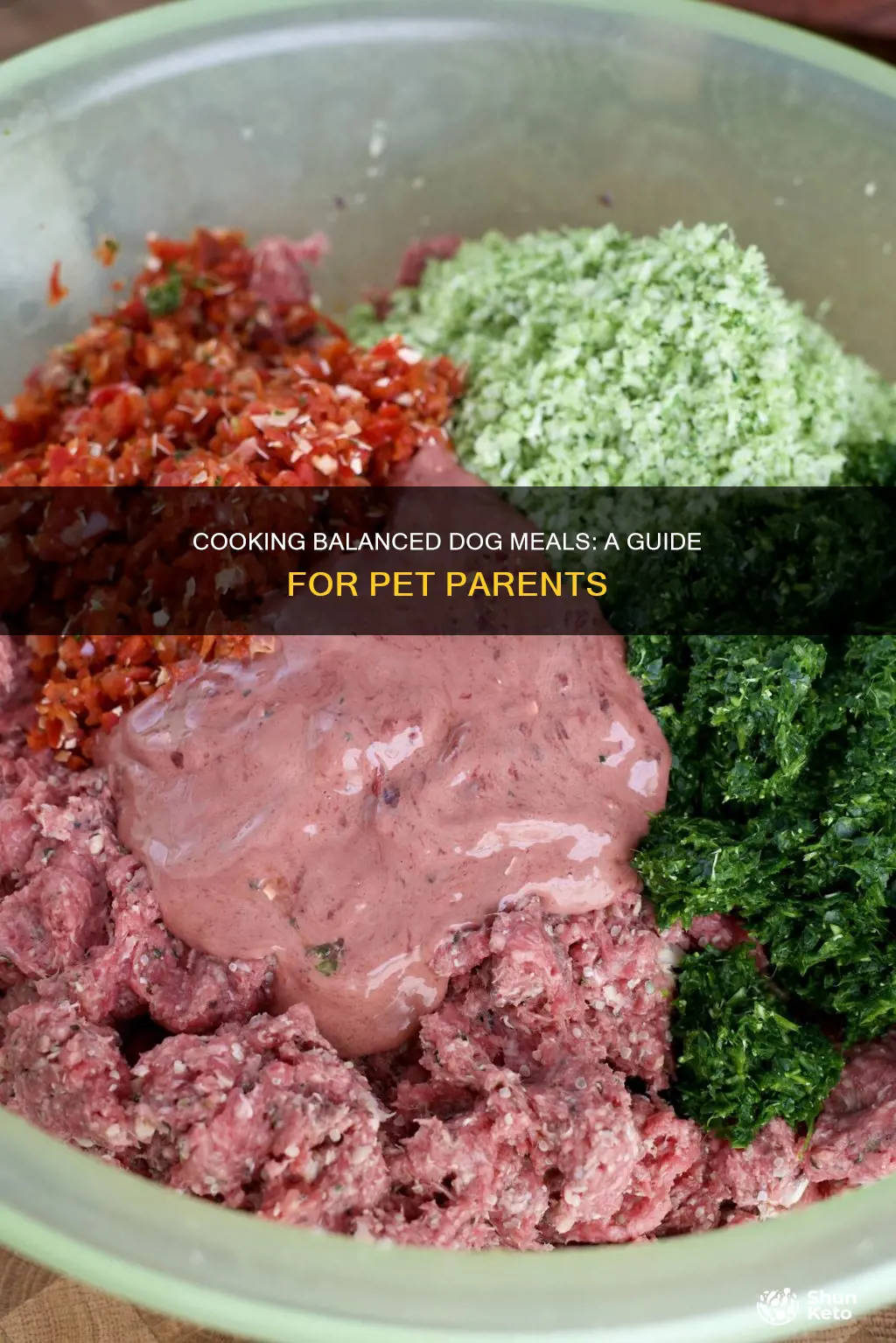



For more expert pet care tips and advice, check out our dedicated Dog Nutrition guides to keep your companions healthy and happy.




