

Introduction
Canine diarrhea is a common ailment that affects dogs of all breeds and ages, presenting a significant concern for pet owners. Understanding the optimal approaches to managing this condition, often involving the search for the “best diarrhea medicine for dogs,” is crucial for maintaining a dogs comfort and overall health. Diarrhea can manifest due to various reasons, ranging from simple dietary indiscretions to more complex underlying health issues. When a dog experiences loose or watery stools, identifying the cause and implementing effective treatment can prevent dehydration, discomfort, and the progression of more serious conditions. This comprehensive guide aims to shed light on various aspects of canine diarrhea and its treatment, empowering dog owners with the knowledge to make informed decisions for their cherished companions.
💡 Pet Care Key Takeaways:
- Core Focus: Practical health, nutrition, and wellness guidelines for Best Diarrhea Medicine For Dogs.
- Target Scope: Pet owners, animal caregivers, and veterinary support staff.
- Best Recommendation: Maintain consistent daily routines and consult an accredited veterinarian before introducing major diet or medical changes.
Common Causes and Key Factors
Diarrhea in dogs can stem from a multitude of factors, making diagnosis a critical first step. One of the most frequent causes is dietary indiscretion, often referred to as “garbage gut,” where a dog consumes spoiled food, rich human foods, or non-food items. Sudden changes in diet, such as switching dog food brands without a gradual transition, can also disrupt the digestive system. For more related activities, check out our Sick Pug At Veterinarian.
Stress and anxiety are known triggers for gastrointestinal upset in dogs, particularly in sensitive individuals. Environmental changes, separation anxiety, or fear can manifest as digestive issues. Internal parasites, including roundworms, hookworms, whipworms, giardia, and coccidia, are significant culprits, especially in puppies. Bacterial infections, such as Salmonella or Clostridium, and viral infections like parvovirus or coronavirus, can lead to severe diarrhea requiring immediate veterinary attention.
Food allergies or intolerances to specific ingredients in a dog’s diet can cause chronic or intermittent diarrhea. Additionally, certain medications, particularly antibiotics, can disrupt the natural balance of gut flora, leading to temporary digestive upset. Underlying health conditions such as inflammatory bowel disease (IBD), exocrine pancreatic insufficiency, kidney disease, liver disease, or certain types of cancer can also present with diarrhea as a primary symptom.
Signs and Symptoms to Observe
Recognizing the specific signs and symptoms of diarrhea is essential for prompt intervention. The most obvious indicator is a change in stool consistency, ranging from soft and poorly formed to watery and entirely liquid. An increase in the frequency of bowel movements is also a common sign. Dogs may exhibit urgency, needing to go outside more often, or have accidents indoors.
Other accompanying symptoms can provide crucial clues about the severity and potential cause of the diarrhea. These may include lethargy, a noticeable decrease in energy levels, or general weakness. Loss of appetite is frequently observed, as is vomiting, which can further exacerbate dehydration. Abdominal pain, indicated by a hunched posture, sensitivity to touch, or restlessness, suggests more significant discomfort.
The appearance of the stool itself can be highly informative. The presence of blood, either bright red (hematochezia) or dark and tarry (melena), indicates internal bleeding and warrants immediate veterinary consultation. Mucus in the stool suggests inflammation in the colon. Persistent straining without producing much stool can indicate colitis or other lower gastrointestinal issues. Observing these signs carefully helps in providing accurate information to a veterinarian.
Practical Solutions and Management Strategies
Addressing canine diarrhea often involves a multi-faceted approach, starting with careful observation and potentially involving home care, dietary adjustments, and specific medications. For mild, acute cases with no other alarming symptoms, a temporary fast of 12-24 hours can help rest the digestive system. This should always be followed by introducing a bland diet.
A bland diet typically consists of boiled, boneless, skinless chicken breast mixed with plain white rice, or boiled lean ground beef with rice. Small, frequent meals should be offered over several days as the dog’s stool returns to normal, gradually transitioning back to the regular diet. Hydration is paramount during this time, so ensuring constant access to fresh water is critical.
Probiotics designed specifically for dogs can be beneficial in restoring the natural balance of gut flora, especially after antibiotic use or periods of stress. These supplements introduce beneficial bacteria to the digestive tract, aiding in healthy digestion and immune function. Fiber supplements, such as psyllium, can also help firm up loose stools and regulate bowel movements in some cases.
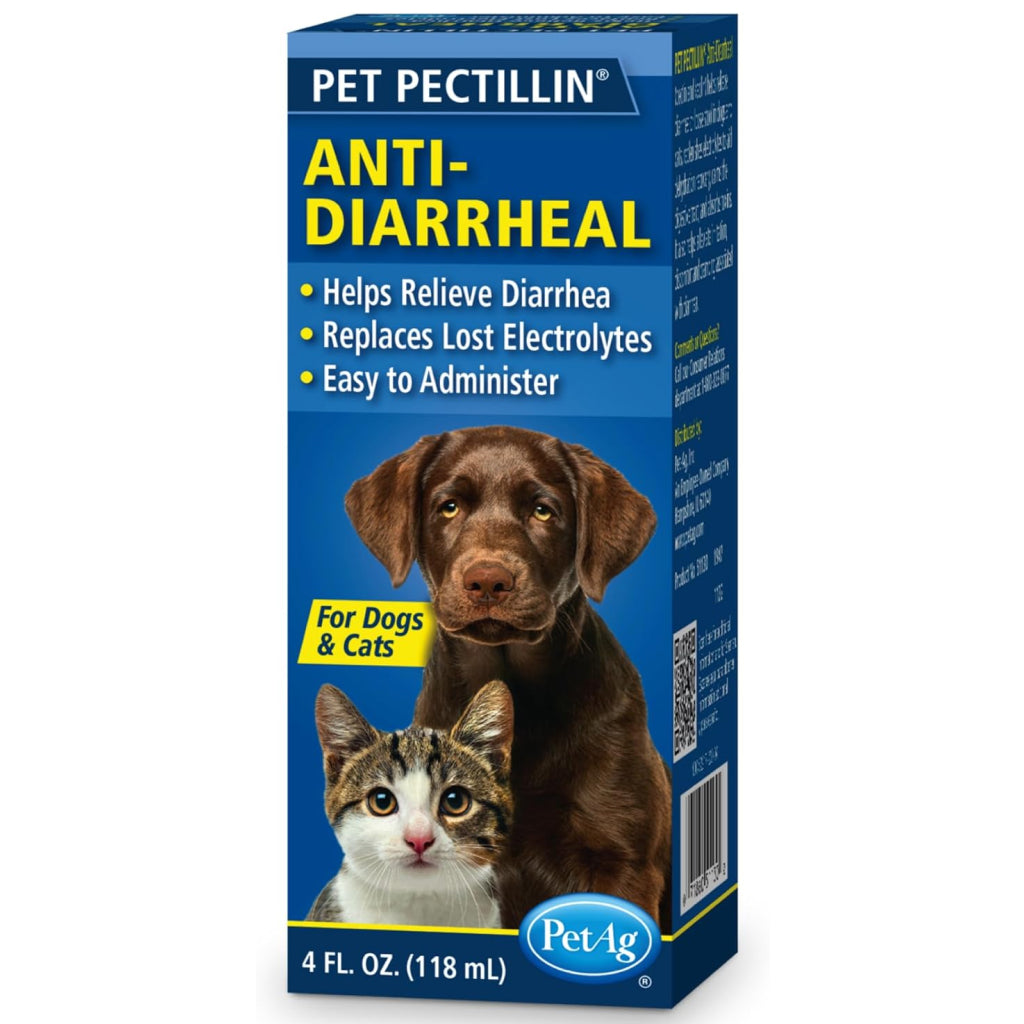
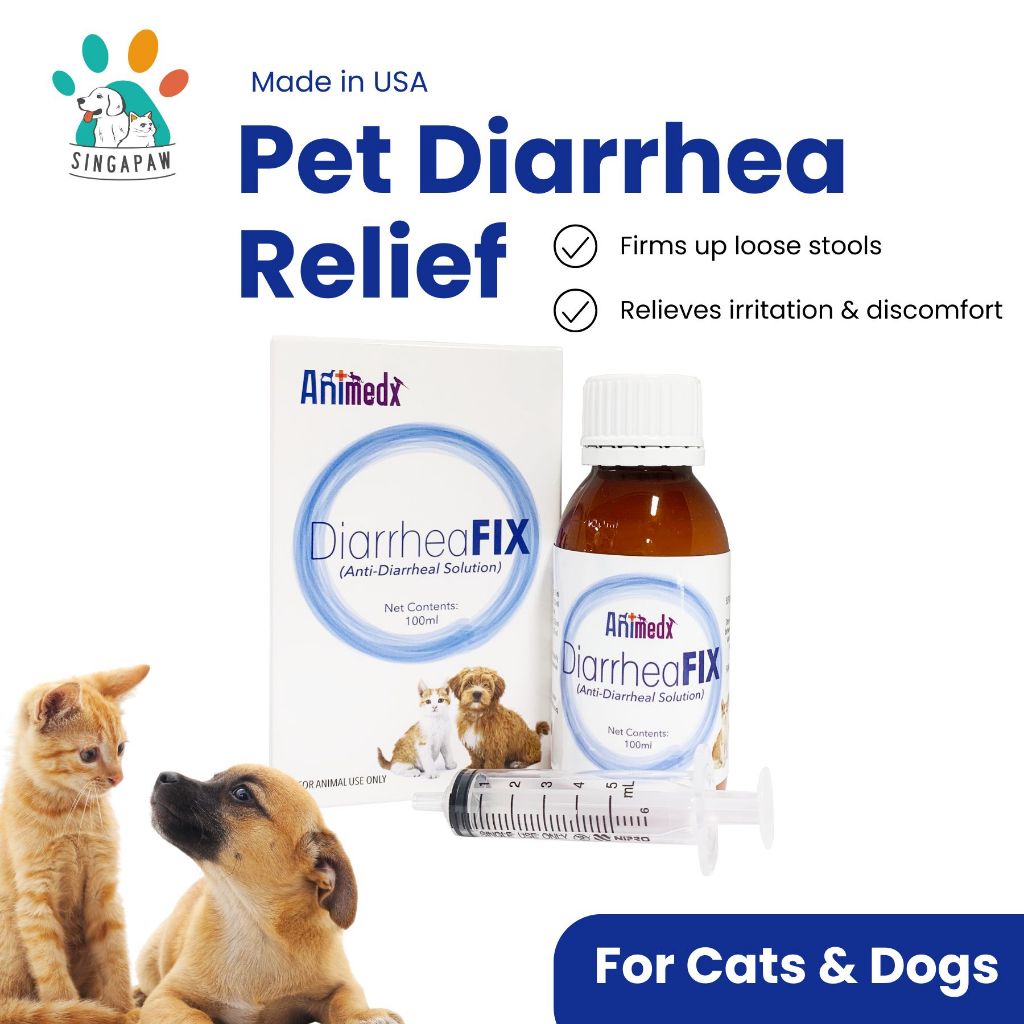
For specific “medicine” options, over-the-counter remedies like Kaolin-Pectin preparations can help coat the stomach and intestinal lining, absorbing toxins and firming stools. However, it is imperative to use canine-specific formulations or consult a veterinarian before administering any human medications, as ingredients like bismuth subsalicylate (found in some common OTC brands) can be toxic to dogs, particularly cats.
Veterinary prescription medications become necessary for more severe or persistent cases. Antibiotics such as metronidazole (Flagyl) or tylosin (Tylan) may be prescribed to treat bacterial infections or inflammation. Anti-parasitic medications target specific worms or protozoa. Anti-diarrheal medications can reduce intestinal motility and fluid secretion, while anti-emetics help control vomiting if it accompanies the diarrhea. The “best” medicine is always contingent upon an accurate diagnosis of the underlying cause, highlighting the importance of professional veterinary guidance.
When Professional Help May Be Needed
While some mild cases of diarrhea can resolve with home care, recognizing when to seek veterinary attention is crucial. Immediate consultation with a veterinarian is warranted if diarrhea persists for more than 24-48 hours, especially if initial home remedies have not yielded improvement.
Other critical indicators for veterinary intervention include the presence of blood (either bright red or dark and tarry) or excessive mucus in the stool. Severe symptoms such as repeated vomiting, extreme lethargy, weakness, loss of appetite lasting more than 24 hours, or signs of dehydration (sunken eyes, dry gums, loss of skin elasticity) demand prompt professional assessment.
Puppies, senior dogs, and dogs with pre-existing medical conditions (e.g., diabetes, kidney disease) are more vulnerable to the effects of diarrhea and dehydration, necessitating a quicker response. Any dog that appears to be in significant pain or distress should also be seen by a veterinarian without delay. A professional diagnosis ensures the appropriate course of treatment, whether it involves specific medications, diagnostic tests, or intravenous fluid therapy.
Conclusion
Managing canine diarrhea effectively is a fundamental aspect of responsible pet ownership, directly impacting a dogs comfort and long-term health. The concept of the “best diarrhea medicine for dogs” is not a singular product but rather an informed strategy that combines careful observation, appropriate home care, and timely veterinary intervention. Understanding the myriad causes, recognizing the diverse signs and symptoms, and knowing when to escalate care from home remedies to professional medical treatment are all vital. By remaining vigilant, providing supportive care, and consulting with a veterinarian when necessary, dog owners can navigate episodes of diarrhea with confidence, ensuring their canine companions return to optimal health and vitality. Prioritizing a dog’s well-being through proactive and responsive care is the ultimate expression of commitment to their quality of life.
Pet Care & Wellness Overview Table
| Life Stage | Daily Activity Level | Key Nutrition / Care Focus |
|---|---|---|
| Puppy / Kitten | High (frequent short bursts) | High-protein growth diet & early socialization |
| Adult Companion | Moderate (30–60 mins daily) | Balanced maintenance nutrition & dental hygiene |
| Senior Pets | Low to Gentle (mindful walks) | Joint support (Glucosamine) & routine vet checks |
Images References




For more expert pet care tips and advice, check out our dedicated Dog Health guides to keep your companions healthy and happy.


