
Introduction
Understanding the best diet for dogs with kidney disease is a critical aspect of canine care, offering a pathway to improved health and an enhanced quality of life for affected pets. Kidney disease, also known as renal disease, is a progressive and often debilitating condition where the kidneys gradually lose their ability to filter waste products from the blood and perform other vital functions. This health challenge commonly arises due to aging, genetic predispositions, or secondary conditions, making dietary management an indispensable component of the treatment plan. A tailored nutritional approach can significantly slow the progression of the disease, alleviate symptoms, and support overall well-being. By comprehending the principles behind renal diets, dog owners can play a proactive role in managing their companion’s condition and ensuring comfort.
💡 Pet Care Key Takeaways:
- Core Focus: Practical health, nutrition, and wellness guidelines for Best Diet For Dogs With Kidney Disease.
- Target Scope: Pet owners, animal caregivers, and veterinary support staff.
- Best Recommendation: Maintain consistent daily routines and consult an accredited veterinarian before introducing major diet or medical changes.
Common Causes and Key Factors
Kidney disease in dogs can stem from various underlying issues, ranging from acute injuries to chronic conditions. Common causes include advanced age, where natural wear and tear diminish kidney function, and genetic predispositions, with certain breeds showing higher susceptibility. Other contributing factors can involve infections (such as leptospirosis), exposure to toxins (like certain medications, antifreeze, or household cleaners), dental disease leading to bacterial spread, and congenital abnormalities present from birth. For more related activities, check out our Pitbullnutrition.
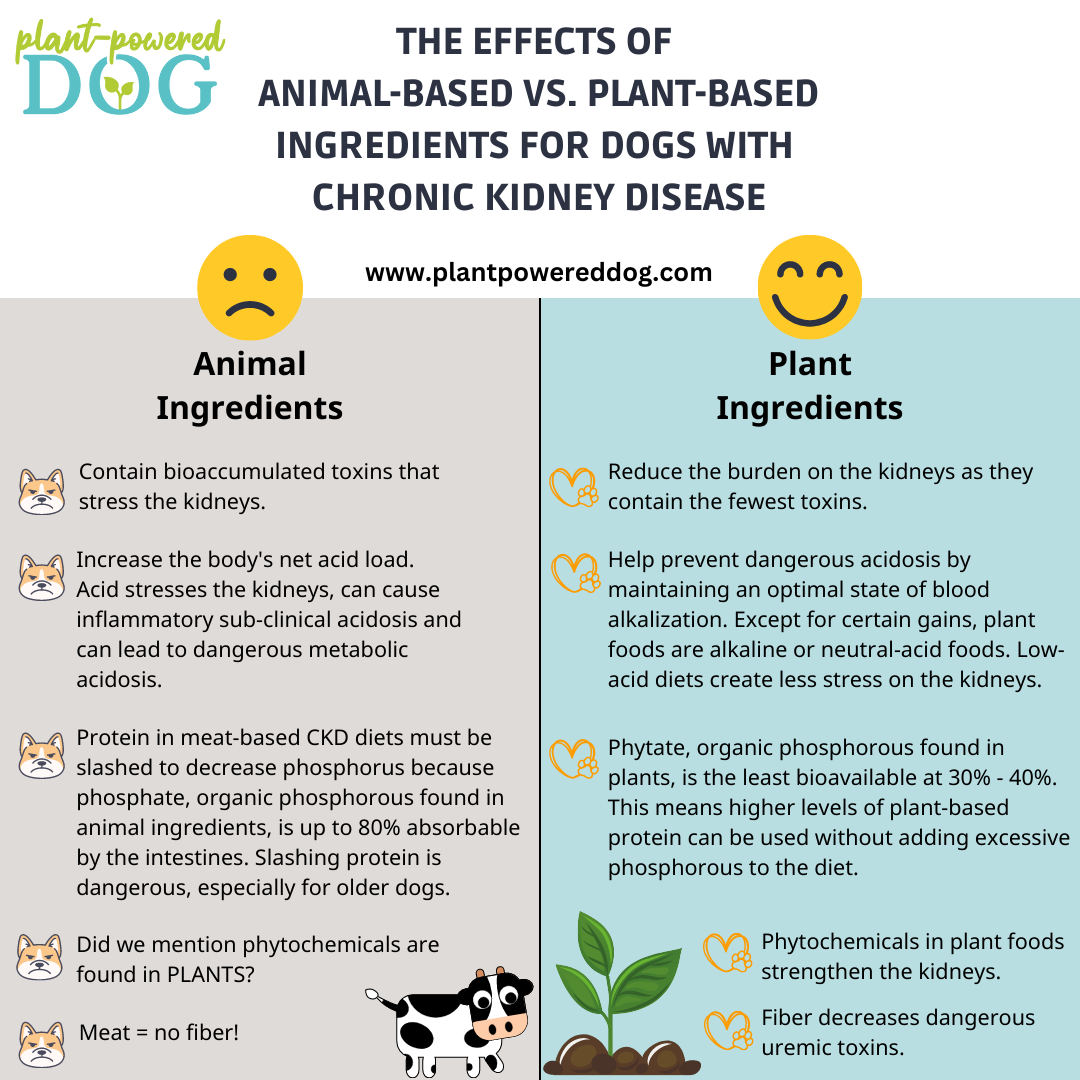
Regardless of the initial cause, when the kidneys are compromised, they struggle to perform their essential roles. This includes filtering metabolic waste products like urea and creatinine, regulating blood pressure, maintaining electrolyte balance, and producing hormones vital for red blood cell production and bone health. The accumulation of waste products in the bloodstream (uremia) can lead to a host of debilitating symptoms. Consequently, the primary goal of the best diet for dogs with kidney disease is to reduce the workload on the failing kidneys while providing adequate nutrition to sustain body condition and energy levels. Key dietary factors that must be carefully managed include protein content, phosphorus levels, sodium intake, and the inclusion of beneficial nutrients like omega-3 fatty acids.
Signs and Symptoms to Observe
Recognizing the signs of kidney disease early is crucial for timely intervention and dietary adjustments. The observable symptoms often progress gradually and can sometimes be subtle, particularly in the initial stages. One of the most common indicators is an increase in thirst (polydipsia) and consequently, an increase in urination (polyuria), as the kidneys lose their ability to concentrate urine.
As the disease advances and waste products accumulate, other symptoms may become apparent. These can include a decreased appetite, leading to weight loss and muscle wasting. Lethargy and weakness are also frequently observed, reflecting the systemic impact of kidney dysfunction. Vomiting and diarrhea may occur due to the buildup of toxins irritating the digestive system. A dogs breath might develop an unusual, ammonia-like odor, known as uremic breath. Additionally, the coat might appear dull or unkempt. These signs can vary in intensity depending on the dog’s age, breed, and the stage of kidney disease, underscoring the importance of vigilance for any changes in a dog’s usual behavior or physical condition.
Practical Solutions and Management Strategies
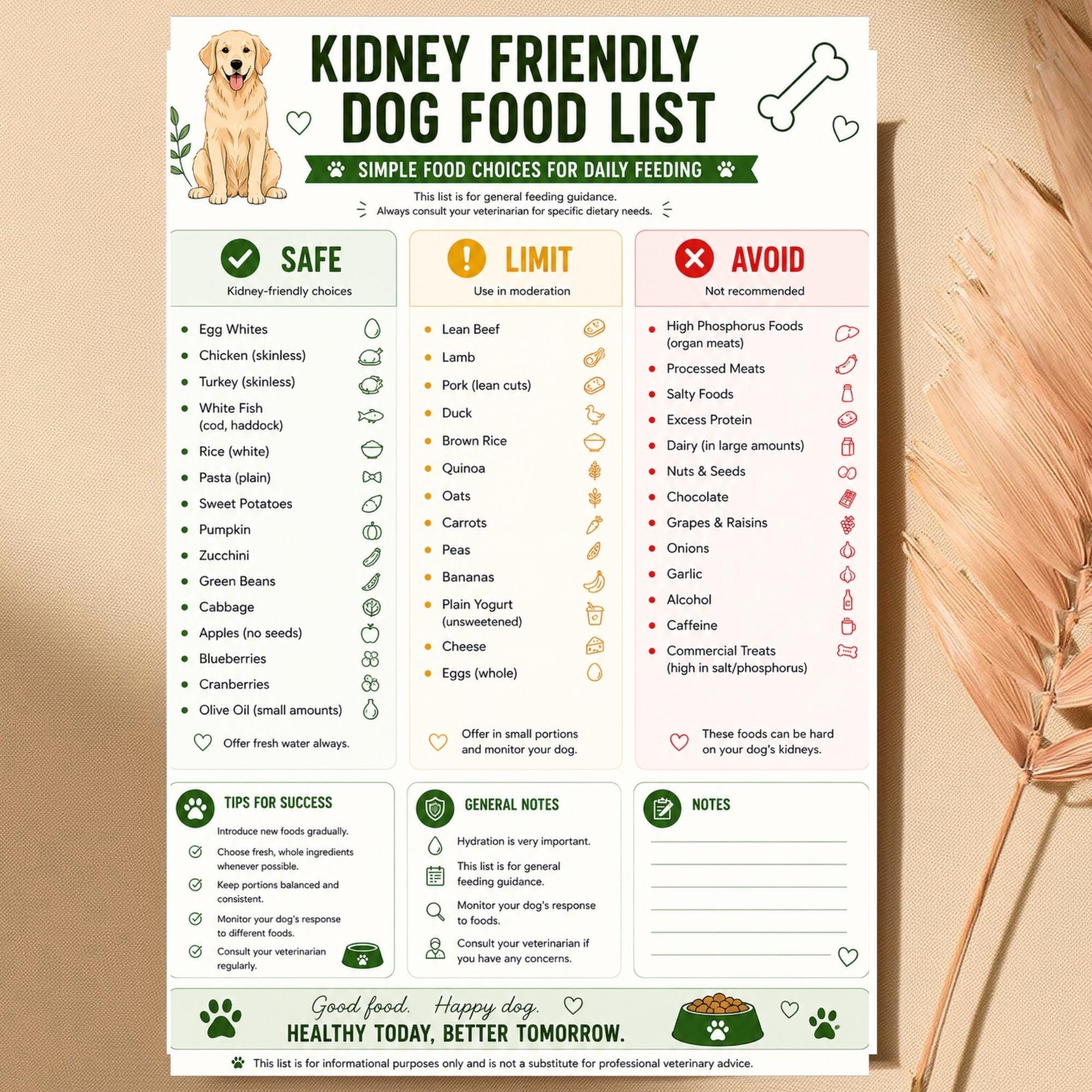
Implementing the best diet for dogs with kidney disease is a cornerstone of effective management. The overarching principle is to formulate a diet that minimizes the production of metabolic waste products, thereby reducing the burden on compromised kidneys, while ensuring the dog receives sufficient calories and essential nutrients.
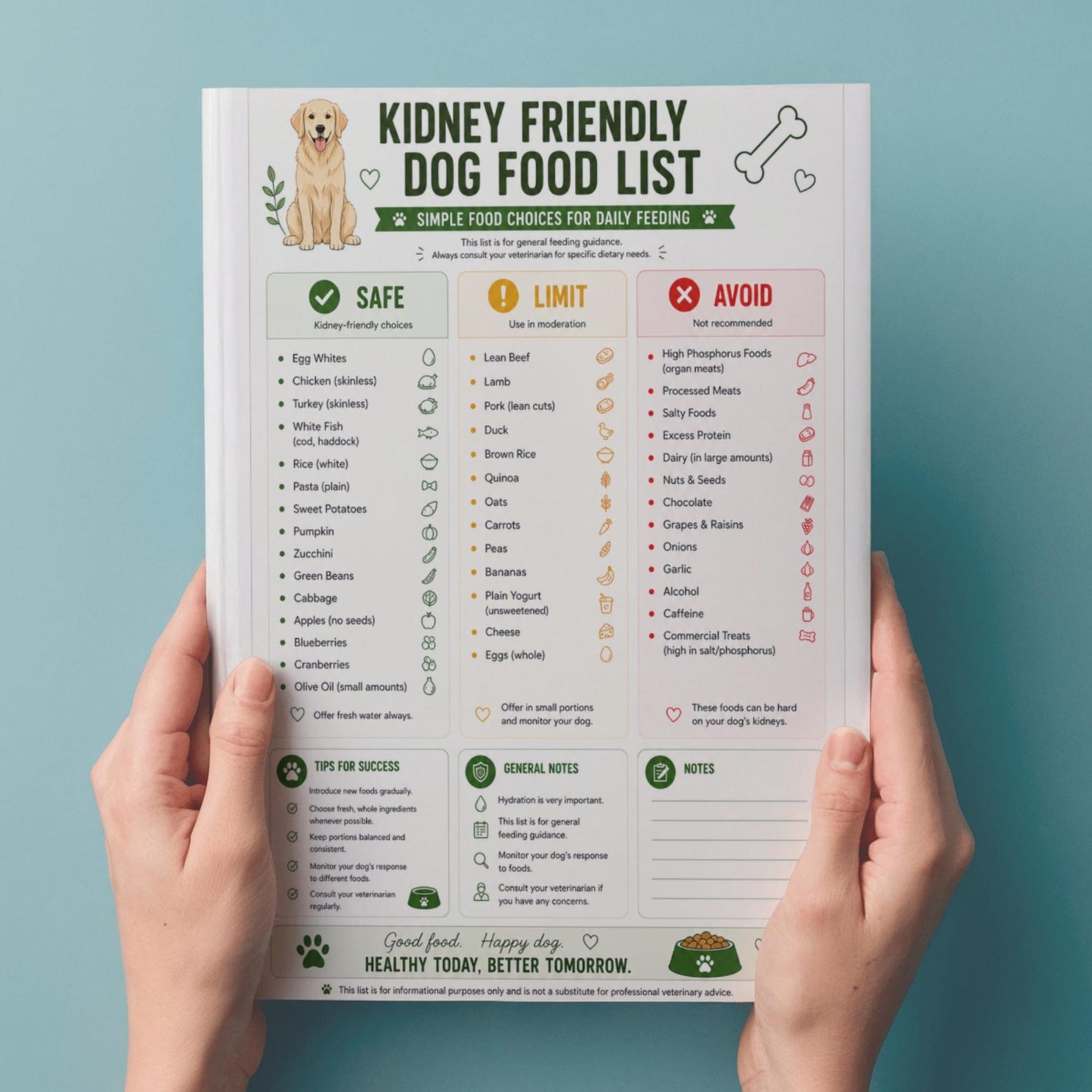
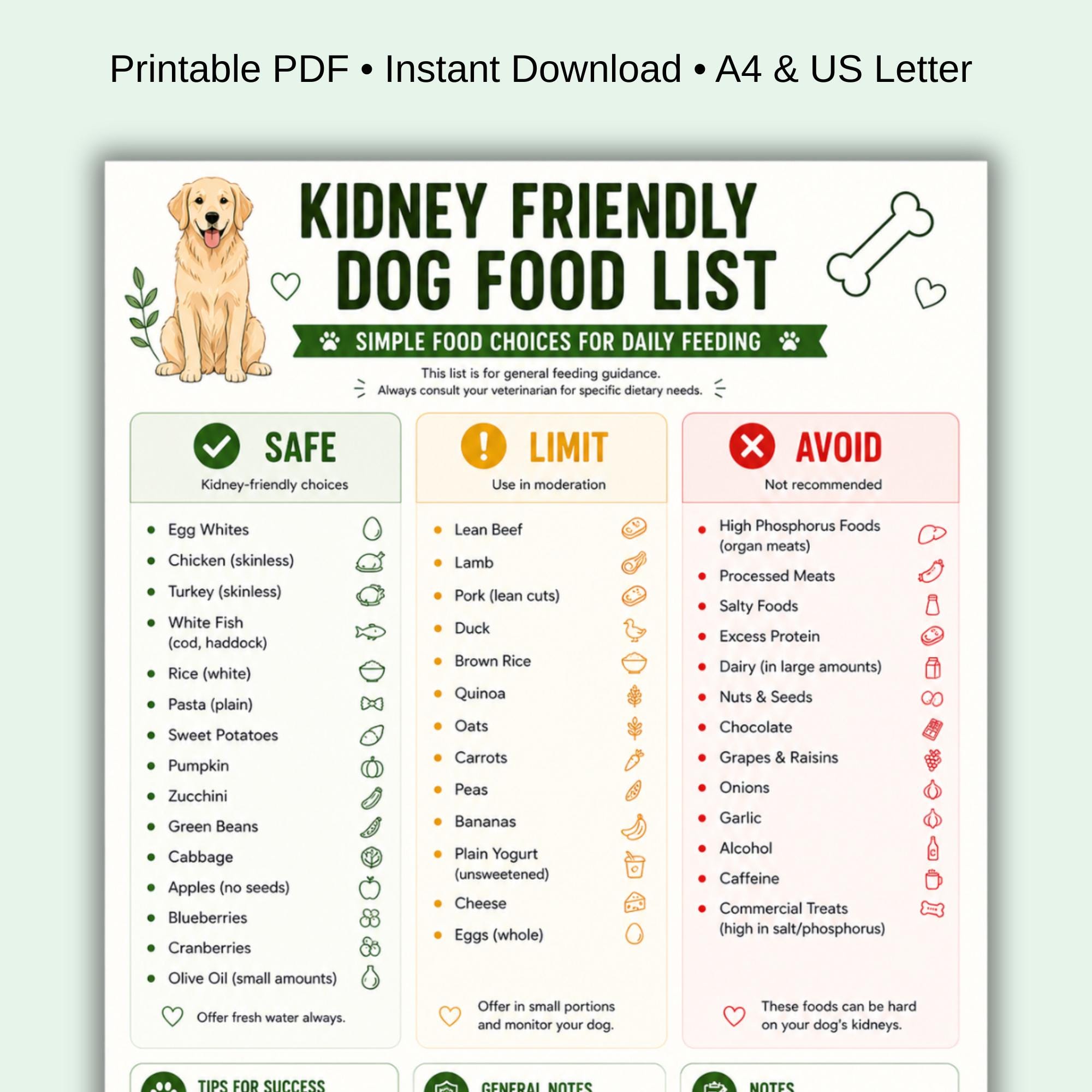
Protein Management: While protein is essential, excessive amounts can produce more waste products. The ideal renal diet features a reduced but high-quality protein content. This ensures that the dog receives necessary amino acids for muscle maintenance without overwhelming the kidneys with excess nitrogenous waste.
Phosphorus Restriction: Perhaps the most critical dietary modification, limiting phosphorus intake is vital for slowing the progression of kidney disease. High phosphorus levels contribute to kidney damage and mineral imbalances. Prescription renal diets are specifically formulated with very low phosphorus levels.
Sodium Control: Moderating sodium intake helps to manage blood pressure and fluid retention, which can be complications of kidney disease. This often means avoiding salty treats and human foods.
Omega-3 Fatty Acids: Supplementation with omega-3 fatty acids, particularly EPA and DHA found in fish oil, can provide anti-inflammatory benefits that may help preserve kidney function and reduce proteinuria.
Hydration: Maintaining excellent hydration is paramount. Encouraging water intake through fresh, accessible water bowls, water fountains, and feeding wet food can be highly beneficial. Wet renal diets inherently provide more moisture.
B Vitamins and Antioxidants: Dogs with kidney disease may excrete more water-soluble B vitamins, so supplementation might be necessary. Antioxidants can also help combat oxidative stress on kidney cells.
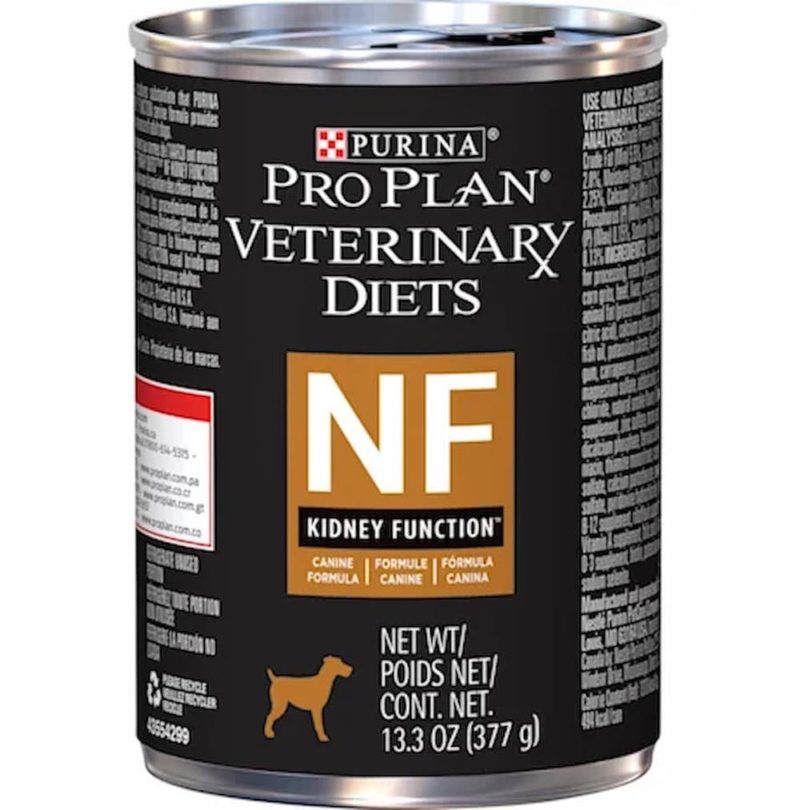
Commercial prescription renal diets (available in both wet and dry forms) are meticulously formulated to meet these specific nutritional requirements. These diets are carefully balanced for protein, phosphorus, sodium, and other key nutrients. For dogs with specific preferences or allergies, home-cooked diets can be an option, but these must be developed and strictly supervised by a board-certified veterinary nutritionist to ensure they are nutritionally complete and appropriately restrictive for kidney disease. Feeding smaller, more frequent meals can also aid digestion and nutrient absorption, making it easier on the dog’s system. Regular monitoring through veterinary check-ups, including blood and urine tests, is essential to track the disease progression and adjust the diet as needed.
When Professional Help May Be Needed
The diagnosis and ongoing management of kidney disease in dogs unequivocally require professional veterinary guidance. A veterinarian is essential for an accurate diagnosis, staging the disease, and prescribing the appropriate renal diet. Self-diagnosing or attempting to manage kidney disease without professional oversight can lead to severe health complications and worsen the prognosis.
Situations that necessitate immediate veterinary consultation include the onset of any suspected symptoms of kidney disease, especially increased thirst and urination. Once a diagnosis is confirmed, regular veterinary check-ups are paramount for monitoring the disease’s progression through blood and urine tests and for adjusting the dietary plan as the dog’s needs evolve. If a dog refuses to eat the prescribed renal diet, or if symptoms worsen despite dietary changes, it is imperative to contact the veterinarian promptly. In complex cases, or when considering a home-cooked diet, a referral to a veterinary nutritionist can provide specialized expertise to create a balanced and effective meal plan. The collaborative approach between pet owners and veterinary professionals ensures the most comprehensive and effective care for dogs with kidney disease.
Conclusion
Navigating the challenges of kidney disease in dogs is undeniably complex, but the selection and consistent implementation of the best diet for dogs with kidney disease stand as a pivotal factor in successful management. By understanding the critical roles of reduced protein, controlled phosphorus and sodium levels, adequate hydration, and beneficial supplements, owners can significantly impact their dog’s health trajectory. This proactive approach, guided by consistent veterinary partnership, not only helps to slow the disease’s progression but also dramatically enhances a dogs comfort and overall quality of life. Awareness, careful observation of symptoms, and adherence to a tailored nutritional plan are the cornerstones of responsible care, ensuring that beloved canine companions receive the support they need to thrive despite their condition.
Pet Care & Wellness Overview Table
| Life Stage | Daily Activity Level | Key Nutrition / Care Focus |
|---|---|---|
| Puppy / Kitten | High (frequent short bursts) | High-protein growth diet & early socialization |
| Adult Companion | Moderate (30–60 mins daily) | Balanced maintenance nutrition & dental hygiene |
| Senior Pets | Low to Gentle (mindful walks) | Joint support (Glucosamine) & routine vet checks |
Images References



For more expert pet care tips and advice, check out our dedicated Dog Nutrition guides to keep your companions healthy and happy.




