

Introduction
Understanding the best diet for small dogs is a critical aspect of responsible pet ownership, directly impacting a canine’s health, longevity, and overall well-being. Small dog breeds, often weighing less than 20 pounds, possess distinct physiological and metabolic characteristics that necessitate specific dietary considerations. Their compact size means they typically have higher metabolic rates compared to larger breeds, requiring more calories per pound of body weight to maintain energy levels. Additionally, small dogs often have smaller stomachs, faster digestion, and particular dental structures, all of which influence their nutritional needs. When these unique requirements are overlooked, small dogs can face a range of health issues, including obesity, malnutrition, dental disease, or even conditions like hypoglycemia in very tiny breeds. A well-chosen diet, tailored to these specific needs, can profoundly improve a small dogs vitality, immune function, coat health, and even behavior, leading to a happier, healthier companion.
💡 Pet Care Key Takeaways:
- Core Focus: Practical health, nutrition, and wellness guidelines for Best Diet For Small Dogs.
- Target Scope: Pet owners, animal caregivers, and veterinary support staff.
- Best Recommendation: Maintain consistent daily routines and consult an accredited veterinarian before introducing major diet or medical changes.
Common Causes and Key Factors
Several key factors contribute to the unique dietary requirements for small dogs, making the selection of the best diet for small dogs a nuanced process. For more related activities, check out our Purina One Xxl 10Kg Feeding Guide 20Kg Dog.
Firstly, metabolic rate plays a significant role. Smaller body masses mean a higher surface area to volume ratio, leading to faster heat loss and consequently, a more rapid metabolism. This necessitates a diet that is more calorie-dense per serving to provide adequate energy without overfilling their small stomachs.
Secondly, stomach capacity and digestive speed are crucial. Small dogs have smaller digestive systems, meaning they cannot consume large quantities of food at once. They benefit from smaller, more frequent meals throughout the day to support their energy needs and prevent digestive upset. Their digestion can also be quicker, requiring highly digestible ingredients.
Thirdly, dental health considerations are paramount. Small breeds are often predisposed to dental issues such as plaque buildup, tartar, and periodontal disease due to their crowded mouths. The size and texture of kibble or food pieces should encourage chewing to help clean teeth, or alternatively, dental-specific foods might be recommended.
Finally, breed-specific predispositions and activity levels also factor in. Some small breeds are prone to conditions like patellar luxation, which can be exacerbated by excess weight, or hypoglycemia (low blood sugar) in very toy breeds, requiring careful management of feeding schedules. The energy needs of an active Jack Russell Terrier differ significantly from those of a less active Maltese.
Signs and Symptoms to Observe
Observing a small dogs physical condition and behavior provides valuable insights into the efficacy of its diet. Owners should remain vigilant for several signs and symptoms that could indicate an inappropriate diet.
Weight fluctuations are often the most noticeable indicator. An underweight dog might exhibit visible ribs, a tucked abdomen, or general lethargy, suggesting insufficient caloric intake or nutrient absorption. Conversely, an overweight small dog may struggle to move, display a lack of a discernible waist, or feel heavy for its size, indicating excessive caloric intake relative to activity.
Coat and skin condition can reveal nutritional deficiencies or allergies. A dull, dry, flaky coat, excessive shedding, or recurring skin irritations and hot spots might point to a lack of essential fatty acids or an adverse reaction to certain food ingredients.
Changes in energy levels are another significant sign. A dog that is unusually sluggish, sleepy, or unwilling to play could be undernourished or experiencing a nutrient imbalance. Conversely, hyperactivity or difficulty settling down might occasionally be linked to certain dietary components, though this is less common.
Digestive issues such as chronic vomiting, diarrhea, constipation, or excessive gas are strong indicators of dietary intolerance, poor digestibility, or an abrupt change in food. Stool quality, including consistency, color, and frequency, offers direct evidence of digestive health.
Dental problems, like bad breath, red or swollen gums, or a reluctance to eat dry food, can develop if the diet does not support oral hygiene or if food particles are consistently getting trapped.
Practical Solutions and Management Strategies
Implementing the best diet for small dogs involves careful selection, precise portion control, and consistent monitoring. A tailored approach is key to supporting their unique needs.
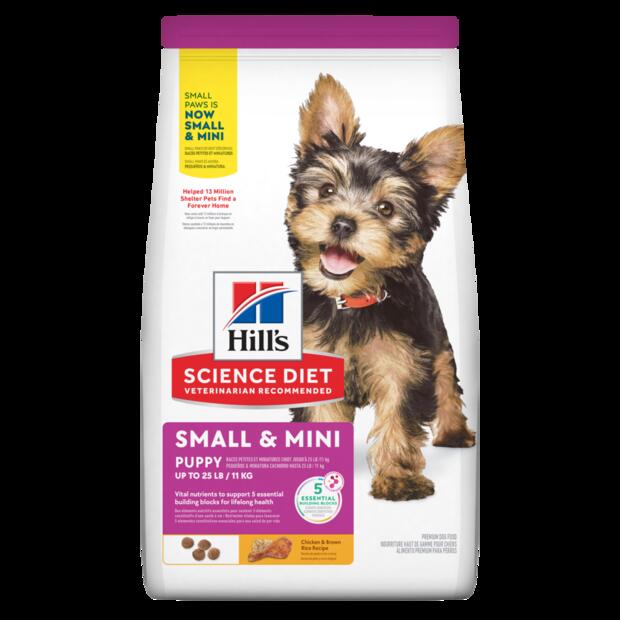
Selecting appropriate food formulas is the foundational step. Small breed-specific dog foods are often formulated with higher calorie density, smaller kibble sizes to prevent choking and aid chewing, and balanced nutrients to support their rapid metabolism. High-quality animal protein should be the primary ingredient, followed by digestible carbohydrates and healthy fats. Owners should choose age-appropriate formulaspuppy, adult, or senioras nutritional needs change throughout a dog’s life.
Practicing strict portion control is vital. Due to their small size, it is easy to overfeed or underfeed small dogs. Owners should meticulously follow the feeding guidelines on food packaging, adjusting portions based on a dog’s individual activity level, metabolism, and ideal body condition score. Using a measuring cup consistently ensures accuracy.
Establishing a regular feeding schedule with multiple small meals per day is often beneficial, particularly for puppies and very small breeds prone to hypoglycemia. Dividing the daily food allowance into two or three meals helps stabilize blood sugar levels and prevents their small stomachs from being overfilled.
Ensuring constant access to fresh, clean water is also paramount for digestion and overall health. Hydration is as important as the food itself.
Managing treats judiciously is crucial. Treats should comprise no more than 10% of a dog’s daily caloric intake. Opt for low-calorie, healthy options, and always factor them into the total daily food allowance to prevent weight gain.
Supporting dental health through diet involves choosing kibble designed to reduce plaque and tartar, or incorporating dental chews recommended by a veterinarian. Regular professional dental cleanings should also be part of routine care.
When transitioning to a new food, a gradual introduction over 7-10 daysmixing increasing amounts of the new food with decreasing amounts of the oldhelps prevent digestive upset. Regular monitoring of a dog’s weight, coat condition, energy levels, and stool quality allows for necessary dietary adjustments over time.
When Professional Help May Be Needed
While many dietary adjustments can be made by owners, certain situations warrant immediate professional veterinary consultation. Recognizing these circumstances is crucial for maintaining a small dog’s health.
Persistent or severe digestive issues, such as chronic vomiting, prolonged diarrhea, or severe constipation, necessitate veterinary attention. These symptoms can indicate underlying health conditions, food allergies, intolerances, or parasitic infections that require specific diagnosis and treatment.
Significant or rapid unexplained weight changes, either loss or gain, should always prompt a visit to the veterinarian. Unintentional weight loss can be a sign of serious medical conditions, while sudden weight gain might indicate metabolic imbalances or excessive feeding.
Lethargy, extreme weakness, or other sudden behavioral changes accompanied by changes in appetite or thirst could signal a range of health problems requiring professional assessment. In very small breeds, signs of hypoglycemia, such as disorientation or tremors, demand immediate veterinary care.
Observable signs of allergic reactions, including persistent itching, skin rashes, ear infections, or constant paw licking, could point to a food allergy. A veterinarian can help identify allergens and recommend appropriate elimination diets or specialized food formulations.
Additionally, before making major dietary changes, especially for small dogs with pre-existing health conditions like diabetes, kidney disease, or pancreatitis, veterinary guidance is essential. A veterinarian can recommend prescription diets or specific nutritional strategies tailored to manage these conditions effectively. Professional advice ensures that any dietary modifications are safe, balanced, and beneficial for the dog’s unique health profile.
Conclusion
The pursuit of the best diet for small dogs is a testament to an owner’s commitment to their companion’s health and happiness. Due to their distinctive physiological traitsincluding faster metabolisms, smaller stomach capacities, and specific dental needssmall breeds require a dietary approach that is both thoughtful and precise. Prioritizing high-quality, nutrient-dense small breed-specific formulas, implementing strict portion control, and adhering to consistent feeding schedules are fundamental practices. Regular observation of a dog’s weight, energy levels, coat condition, and digestive health allows for proactive adjustments, ensuring their dietary needs are continually met. While many aspects of small dog nutrition can be managed effectively at home, recognizing when to seek professional veterinary guidance for persistent health issues or before making significant dietary changes remains paramount. Through informed choices and dedicated care, owners empower their small dogs to thrive, enjoying a life filled with vitality and well-being.
Pet Care & Wellness Overview Table
| Life Stage | Daily Activity Level | Key Nutrition / Care Focus |
|---|---|---|
| Puppy / Kitten | High (frequent short bursts) | High-protein growth diet & early socialization |
| Adult Companion | Moderate (30–60 mins daily) | Balanced maintenance nutrition & dental hygiene |
| Senior Pets | Low to Gentle (mindful walks) | Joint support (Glucosamine) & routine vet checks |
Images References




For more expert pet care tips and advice, check out our dedicated Dog Nutrition guides to keep your companions healthy and happy.




