
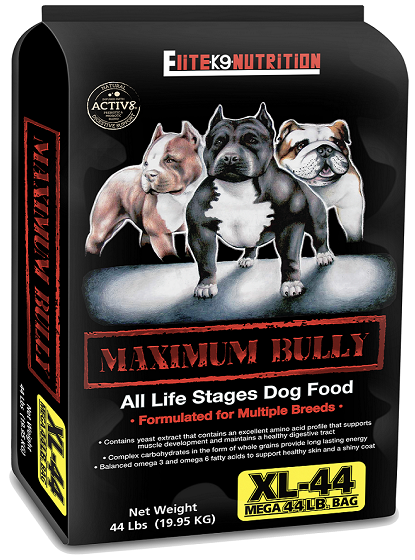
Introduction
The magnificent XL Bully, known for its powerful physique, confident demeanor, and affectionate nature, requires a meticulously planned nutritional regimen to thrive. Understanding the best diet for XL Bully dogs is not merely about providing sustenance; it is about fueling optimal growth, maintaining impressive muscle mass, supporting robust joint health, and ensuring overall vitality throughout the dogs life. Many owners seek guidance on this topic because the XL Bully’s unique build and high energy demands mean its dietary needs differ significantly from those of smaller or less muscular breeds. A well-structured diet addresses the specific requirements for their substantial frame and energetic lifestyle, directly impacting their well-being, behavior, and longevity. Proper nutrition can prevent common health issues, enhance physical performance, and contribute to a happy, healthy companion.
💡 Pet Care Key Takeaways:
- Core Focus: Practical health, nutrition, and wellness guidelines for Best Diet For Xl Bully.
- Target Scope: Pet owners, animal caregivers, and veterinary support staff.
- Best Recommendation: Maintain consistent daily routines and consult an accredited veterinarian before introducing major diet or medical changes.
Common Causes and Key Factors
Determining the best diet for XL Bully involves considering several key factors that influence their nutritional requirements. These dogs are large and muscular, necessitating a diet rich in specific nutrients to support their impressive build and activity levels. For more related activities, check out our Ol Roy Ingredients List.
- Breed-Specific Needs: XL Bullies possess significant lean muscle mass and a sturdy bone structure. Their diet must provide ample high-quality protein to maintain and build muscle, alongside appropriate calcium and phosphorus ratios for skeletal integrity, especially during growth phases.
- Age and Life Stage: Puppies require a diet formulated for large breed growth, typically higher in calories and specific nutrients to support rapid development without causing excessive growth rates that can lead to orthopedic problems. Adult XL Bullies need a maintenance diet, while seniors may benefit from lower calorie content and joint-supporting supplements.
- Activity Level: An XL Bully that is highly active, engaging in regular exercise, weight pulling, or other canine sports, will require more calories and potentially higher levels of protein and fats than a dog with a more sedentary lifestyle. Adjusting caloric intake based on energy expenditure is crucial to prevent both obesity and malnourishment.
- Individual Health Status: Dogs with specific health concerns, such as allergies, sensitivities, digestive issues, or orthopedic conditions like hip or elbow dysplasia (common in large breeds), will require specialized dietary approaches. Some XL Bullies may exhibit sensitivities to certain ingredients, necessitating a limited ingredient diet.
- Metabolic Rate and Body Condition: Each dog has a unique metabolism. Regular assessment of body condition is essential. A dog maintaining an ideal weight and lean muscle mass on a particular diet is receiving appropriate nutrition. Overfeeding or underfeeding can lead to significant health problems.
Signs and Symptoms to Observe
When an XL Bully is not receiving the optimal diet, various observable signs and symptoms may manifest, indicating that nutritional adjustments are warranted. Being attentive to these indicators can help owners identify issues early and make necessary changes.
- Poor Coat Condition: A dull, dry, brittle coat, excessive shedding, or flaky skin can signal a lack of essential fatty acids or other vital nutrients. A healthy XL Bully typically exhibits a glossy, vibrant coat.
- Low Energy Levels or Lethargy: While some dogs are naturally calmer, persistent lethargy, disinterest in play, or difficulty sustaining activity can indicate insufficient caloric intake or a deficiency in key energy-producing nutrients. Conversely, hyperactivity could also stem from an imbalanced diet, such as too many simple carbohydrates or inappropriate protein sources for sensitive dogs.
- Weight Fluctuations: Noticeable weight loss, where ribs or hip bones become prominent, suggests insufficient calories or nutrient absorption. Conversely, unexplained weight gain, leading to a lack of a discernible waist and difficulty feeling the ribs, points to overfeeding or a diet too rich in calories for the dog’s activity level.
- Digestive Upset: Chronic diarrhea, constipation, excessive gas, frequent vomiting, or changes in stool consistency (very loose or very hard stools) are clear signs of dietary intolerance, poor digestibility of ingredients, or an imbalanced diet.
- Suboptimal Muscle Development: Despite appropriate exercise, an XL Bully on an inadequate diet may struggle to build or maintain its characteristic muscle mass. A lack of definition or a ‘flabby’ appearance can indicate insufficient high-quality protein.
- Behavioral Changes: While not exclusively diet-related, some nutritional deficiencies or intolerances can manifest as irritability, lack of focus, excessive hunger, or even pica (eating non-food items).
Practical Solutions and Management Strategies
Implementing the best diet for XL Bully involves careful selection of food components and a consistent feeding regimen tailored to the individual dog’s needs. Owners can proactively manage their dog’s nutrition through several practical strategies.
- Prioritize High-Quality Protein: The foundation of an XL Bully’s diet should be high-quality animal protein. Look for dog foods where real meat (e.g., chicken, beef, lamb, fish, turkey) is the first ingredient, not meat by-products or fillers. Protein is crucial for muscle development, repair, and overall body function. Aim for a diet with at least 25-30% crude protein for adult XL Bullies, with higher percentages for growing puppies or very active dogs.
- Include Balanced Fats: Healthy fats provide concentrated energy and support skin and coat health. Sources like chicken fat, fish oil (rich in Omega-3 fatty acids), flaxseed, and sunflower oil are beneficial. Omega-3s are particularly important for reducing inflammation and supporting joint health, which is vital for large breeds.
- Select Complex Carbohydrates: Carbohydrates offer sustained energy. Opt for complex carbohydrates such as sweet potatoes, brown rice, oats, and peas over simple, highly processed grains. These provide fiber for digestive health and help regulate blood sugar.
- Ensure Essential Vitamins and Minerals: A complete and balanced dog food formulated for large breeds should contain an appropriate spectrum of vitamins and minerals. Pay attention to calcium and phosphorus ratios, especially for puppies, to support healthy bone development. Glucosamine and chondroitin are often beneficial supplements for joint support in large breeds.
- Strict Portion Control: Obesity is a significant health risk. Always follow the feeding guidelines on the dog food packaging as a starting point, but adjust portions based on the individual XL Bully’s activity level, metabolism, and body condition score. Regular weight checks are essential.
- Consistent Feeding Schedule: Most adult XL Bullies benefit from two meals a day. Maintaining a consistent schedule helps with digestion and regulates metabolism. Puppies may require three or four smaller meals daily.
- Provide Constant Access to Fresh Water: Hydration is paramount for all bodily functions, including nutrient absorption and waste elimination. Clean, fresh water should always be available.
-
Consider Food Types:
- High-Quality Dry Kibble: Convenient and often nutritionally complete, ensuring it meets AAFCO standards for all life stages or specific life stages.
- Raw (BARF) Diet: Can be highly beneficial for muscle tone and coat health, but requires extensive research and careful balancing by a knowledgeable individual or veterinary nutritionist to ensure it is complete and safe.
- Cooked or Home-Prepared Meals: Offers control over ingredients but must be formulated by a veterinary nutritionist to prevent nutritional deficiencies or excesses.
When Professional Help May Be Needed
While many dietary adjustments can be made by observant owners, certain situations warrant the expertise of a veterinary professional. Recognizing when to seek professional guidance ensures the XL Bully receives the best possible care.
- Persistent Digestive Issues: If an XL Bully experiences chronic diarrhea, vomiting, severe constipation, or a significant loss of appetite that does not resolve with simple dietary changes, a veterinarian should be consulted immediately. These symptoms can indicate underlying health conditions or severe food intolerances.
- Unexplained Weight Changes: Significant and rapid weight loss or gain, despite consistent feeding and exercise, warrants a veterinary examination. Such changes can be symptoms of metabolic disorders, malabsorption issues, or other serious health problems.
- Severe Skin and Coat Problems: Chronic skin irritation, persistent itching, hair loss, or non-healing sores could be signs of severe allergies, nutritional deficiencies, or underlying dermatological conditions requiring veterinary diagnosis and treatment.
- Suspected Food Allergies or Sensitivities: If an XL Bully exhibits consistent signs of an allergic reaction (e.g., itching, ear infections, paw licking, digestive upset) linked to diet, a veterinarian can guide the owner through an elimination diet or recommend specific diagnostic tests.
- Managing Underlying Health Conditions: Dogs with pre-existing conditions such as diabetes, kidney disease, pancreatitis, or advanced joint issues will require specialized therapeutic diets prescribed and monitored by a veterinarian.
- Planning a Raw or Home-Cooked Diet: While these diets can be beneficial, ensuring they are nutritionally complete and balanced requires expert knowledge. Consulting a veterinary nutritionist is highly recommended before embarking on such a feeding regimen to prevent serious deficiencies or excesses.
- Growth Concerns in Puppies: If an XL Bully puppy is not growing at an appropriate rate or is growing too rapidly, a vet can assess the diet and overall health to ensure proper development.
Conclusion
The journey to finding the best diet for XL Bully dogs is a crucial aspect of responsible pet ownership. A high-quality, balanced diet tailored to their specific needs supports their powerful physique, robust health, and energetic spirit. Prioritizing protein, healthy fats, complex carbohydrates, and essential nutrients, along with careful portion control and a consistent feeding schedule, forms the cornerstone of optimal nutrition. Owners must remain vigilant, observing their dog’s energy levels, coat condition, weight, and digestive health for any signs that dietary adjustments may be necessary. When questions arise or persistent health issues emerge, consulting a veterinarian or a certified veterinary nutritionist provides invaluable guidance. An informed approach to nutrition significantly contributes to an XL Bully’s overall well-being, ensuring a long, healthy, and happy life as a cherished companion.
Pet Care & Wellness Overview Table
| Life Stage | Daily Activity Level | Key Nutrition / Care Focus |
|---|---|---|
| Puppy / Kitten | High (frequent short bursts) | High-protein growth diet & early socialization |
| Adult Companion | Moderate (30–60 mins daily) | Balanced maintenance nutrition & dental hygiene |
| Senior Pets | Low to Gentle (mindful walks) | Joint support (Glucosamine) & routine vet checks |
Images References


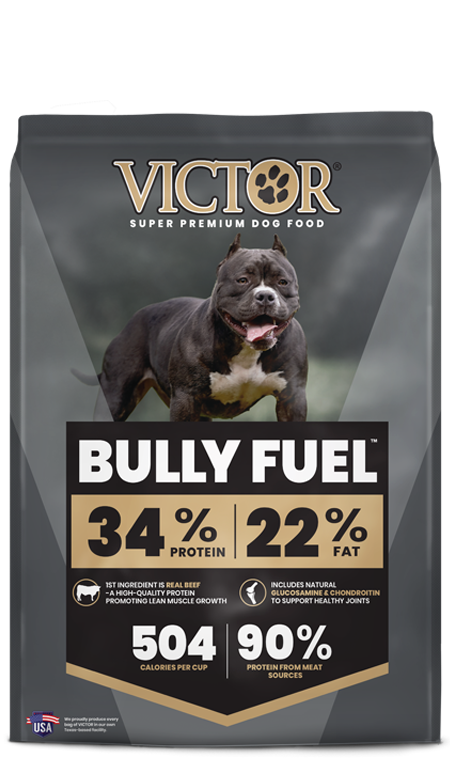


For more expert pet care tips and advice, check out our dedicated Dog Nutrition guides to keep your companions healthy and happy.




